English









































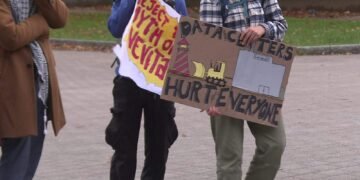



France saw around 320,000 people take to the streets on Saturday in a third consecutive weekend of nationwide protests, driven by anger over the rising cost of living, high fuel prices and the state of public services. The demonstrations remained largely peaceful through the afternoon, but scuffles broke out in several cities by evening, raising concerns about further unrest as Halloween celebrations began.
Violence Flares at the End of Marches
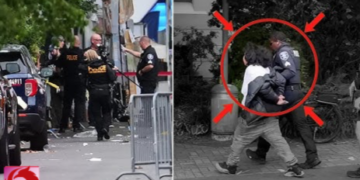
Riot police moved in to disperse rioters at the end of the Paris march. In Lyon, France’s third-largest city, and in Toulouse, officers fired tear gas to control crowds. Tensions also flared in Marseille, though calm returned as night fell.
Stay connected to every major update — subscribe and follow us on the PhoenixQ website and across our social media platforms.
Interior Minister Laurent Nuñez told reporters that security forces had held their ground and maintained public order. However, he warned that the day was not over. “We are ready for those looking for a fight tonight, and we will respond firmly,” he said. Nuñez added that authorities were monitoring calls for insurrection on Halloween night and were prepared to act.
The interior ministry confirmed that “radical elements” had attempted to break away from marches in Bordeaux, Toulouse, Lyon and Marseille. Security checks at railway stations and roads uncovered people carrying objects that could serve as weapons. Authorities also warned that Halloween masks could allow rioters to conceal their identities.
Protests Grow From Student Anger
The demonstrations began building momentum in late September, as President Emmanuel Macron’s minority government opened budget talks for 2027. Students angered by overcrowded classrooms, deteriorating school conditions and an admissions system widely seen as unfair were among the first to mobilise. Trade unions and a resurgent Yellow Vests movement later joined them.
Saturday’s turnout fell below previous weekends. The interior ministry recorded 320,000 protesters nationwide, including 70,000 in Paris. Organisers put the figure at close to half a million. By comparison, 410,000 marched the previous Saturday and 550,000 on October 17, when riots and looting caught security forces off guard and caused widespread damage to shops and public buildings.
Far-left leader Jean-Luc Mélenchon, whose poll ratings have risen ahead of April’s presidential election, marched at the front of the Paris demonstration. France’s top administrative court had upheld a ban on the original planned route between the squares of Nation and Bastille. Instead, authorities approved an alternative route along boulevards on the eastern edge of the capital, away from central shopping areas.
Economic Pressure Mounts on Government
The unrest arrives at a difficult moment for the French economy. On Friday, ratings agency Fitch revised its outlook on French debt to negative, reflecting investor concern over the country’s finances. Public debt is approaching 120 percent of economic output, and borrowing costs are rising. Meanwhile, data released Friday showed the economy had already contracted in the third quarter.
The Chamber of Commerce estimates that retailers have lost more than €1 billion ($1.1 billion) during three weeks of unrest. Other estimates suggest the total could reach double that figure when including uninsured damage and lost revenue. The protests have also given a political boost to far-right leader Marine Le Pen, who currently leads opinion polls ahead of the April presidential election.
The US Embassy advised travellers to avoid areas where demonstrations or large gatherings were planned. The French government’s promises on education reform and fuel costs have so far failed to ease public discontent.