English
















































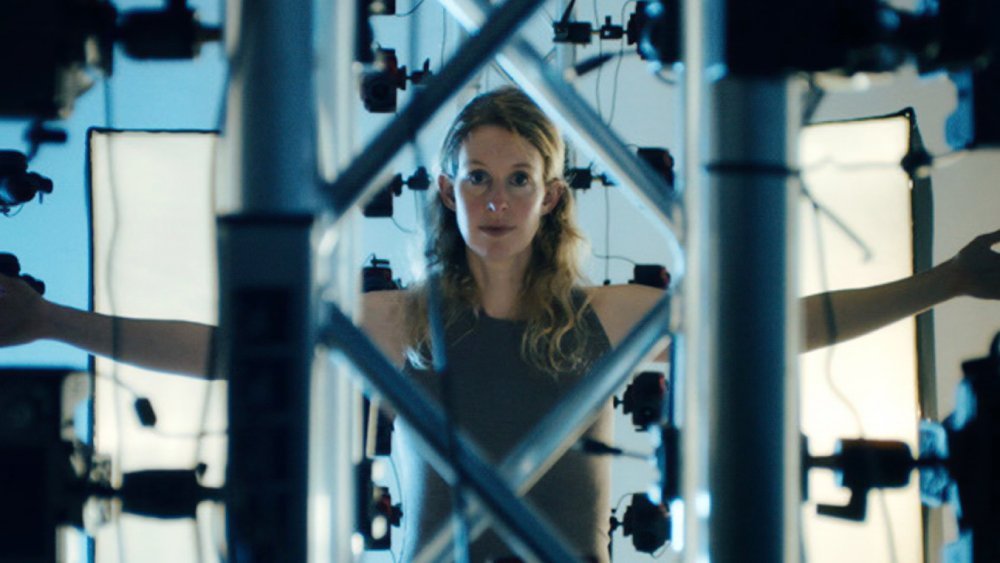
Warner Bros. and DC’s Clayface opened at the top of the domestic box office this weekend, earning $24 million from 3,458 North American theaters. However, the bigger surprise came from A24’s documentary You Can See Everything, which pulled in a remarkable $19.5 million in its second weekend — nearly matching the comic-book debut and defying expectations once again.
Clayface Opens Below Studio Expectations
Clayface landed at the lower end of Warner Bros.’ projected range of $25 million to $35 million. Overseas, the film added another $19 million from 76 markets, bringing its global total to $43 million. Despite the modest opening, the film carries significant advantages. It cost only $44 million to produce — a fraction of DC’s recent tentpole budgets.
Stay connected to every major update — subscribe and follow us on the PhoenixQ website and across our social media platforms.
For comparison, DC’s Superman cost $225 million and earned $618 million globally. Supergirl, however, struggled badly, earning just $126 million against a $170 million budget. DC deliberately kept Clayface lean because the film is a darker, body-horror thriller — a very different tone from the studio’s family-friendly adventures.
Directed by James Watkins, Clayface follows a rising movie star who volunteers for an experimental medical procedure after his face is severely disfigured. The character is a well-known Batman villain. Audiences responded positively, giving the film an “A-” grade on CinemaScore exit polls.
Box office analyst David A. Gross, who publishes the newsletter FranchiseRe, offered a measured outlook. “Over the years, there have been a dozen spinoffs of superhero villains and antiheroes, from Joker to Venom to Kraven the Hunter,” he said. “This picture was wisely conceived as something different, costing a fraction of what those films cost, and it should be profitable when it finishes all ancillary business.”
You Can See Everything Continues to Stun
A24’s Elizabeth Holmes documentary You Can See Everything continued its extraordinary run this weekend. The film expanded to 2,655 venues and earned $19.5 million — a 28% increase over its opening weekend of $15.6 million from just 855 theaters. That opening set the record for the best start for a nonmusical documentary in 20 years.
The Nathan Fielder and Lance Oppenheim-directed film has now earned $45.1 million domestically. Awards observers are already predicting it could become the first documentary ever to receive a best picture nomination at the Oscars.
Paul Dergarabedian, head of marketplace trends at Rentrak, praised A24’s rollout strategy. “Opening You Can See Everything in 855 theaters was a really smart move, allowing the film to establish itself and build momentum before going much wider,” he said. “The fact that we’re seeing a documentary deliver such a significant second-weekend increase is remarkable.”
Wildwood and Wicker Deliver Strong Debuts
Laika’s stop-motion animated film Wildwood debuted at No. 3 with $11 million from 2,718 venues. That result exceeded projections of $6 million to $8 million. The film also holds a rare 100% rating on Rotten Tomatoes and earned an “A” grade on CinemaScore — both strong indicators for long-term audience interest.
However, Wildwood carries a $100 million price tag. Stop-motion animation is labor-intensive and takes years to complete. As a result, the film is unlikely to turn a theatrical profit on its own. Internationally, it collected just $3 million from 11 markets so far.
Directed by Laika CEO Travis Knight, Wildwood follows a teenage girl who travels into an enchanted forest with a classmate after her brother is abducted. Laika is best known for the 2009 film Coraline. This is the studio’s first release since Missing Link in 2019, which opened to $6 million and earned $26 million globally.
Gross offered cautious praise for the result. “This is a very good opening for a new animated film from outside of the studio development and distribution system,” he said. “Audiences love this movie, but it needs a very long run to recoup its costs.”
Meanwhile, Black Bear’s romantic comedy Wicker landed in fifth place with $5.75 million from 1,471 locations. That result marks a strong start for the low-budget film, which Black Bear acquired after Sundance for $2.5 million. Olivia Colman stars as an ostracized woman who commissions a local basketmaker to weave her a husband. Her unexpected romance with the creation, played by Alexander Skarsgård, stirs jealousy throughout the village.
Other New Releases Struggle
Sony’s literary adaptation Klara and the Sun performed poorly, finishing at No. 15 with just $720,000 from 880 locations. Sony scaled back the film’s theatrical rollout after critics described it as “calamitous” and “confoundingly awful.” Directed by Taika Waititi, the film cost a modest $20 million, which limits the studio’s financial exposure. Based on Kazuo Ishiguro’s 2021 novel, the story follows an obsolete companion android, played by Jenna Ortega, who tries to bond with a young sick girl named Josie in a dystopian future.
Paramount’s video game reboot Street Fighter dropped 72% in its second weekend, earning $8.6 million from 3,575 theaters to land in fourth place. The film has now earned $46.9 million domestically and $79.6 million worldwide. Legendary and video game developer Capcom co-financed the $82 million production, with Paramount handling distribution only.
Disney and 20th Century’s survival thriller Whalefall also slipped in its second weekend, earning $3.2 million from 3,065 theaters and falling to 10th place. The film, starring Austin Abrams as a scuba diver swallowed by a sperm whale, has earned $14.1 million domestically and $31.1 million globally. At a production cost of $60 million, the film needs strong staying power, since theater owners retain roughly half of all ticket revenue.
Finally, Netflix’s generation-spanning drama La Bola Negra earned $245,000 from nine locations in limited release, a 12% decline despite a wider theater count. The film has collected $650,000 over two weekends. Netflix plans to keep it in theaters for 45 days before its streaming debut on December 2.