English












































The Alaska Senate election lawsuit has triggered a major dispute over voting rights and election certification. The U.S. Department of Justice filed the case against Alaska election officials. It seeks to block certification under specific conditions if Republican Senator Dan Sullivan loses. The lawsuit comes less than two weeks before Election Day. Moreover, it raises questions about federal authority over state election procedures.
Alaska Senate Election Lawsuit Centers on Two Candidates
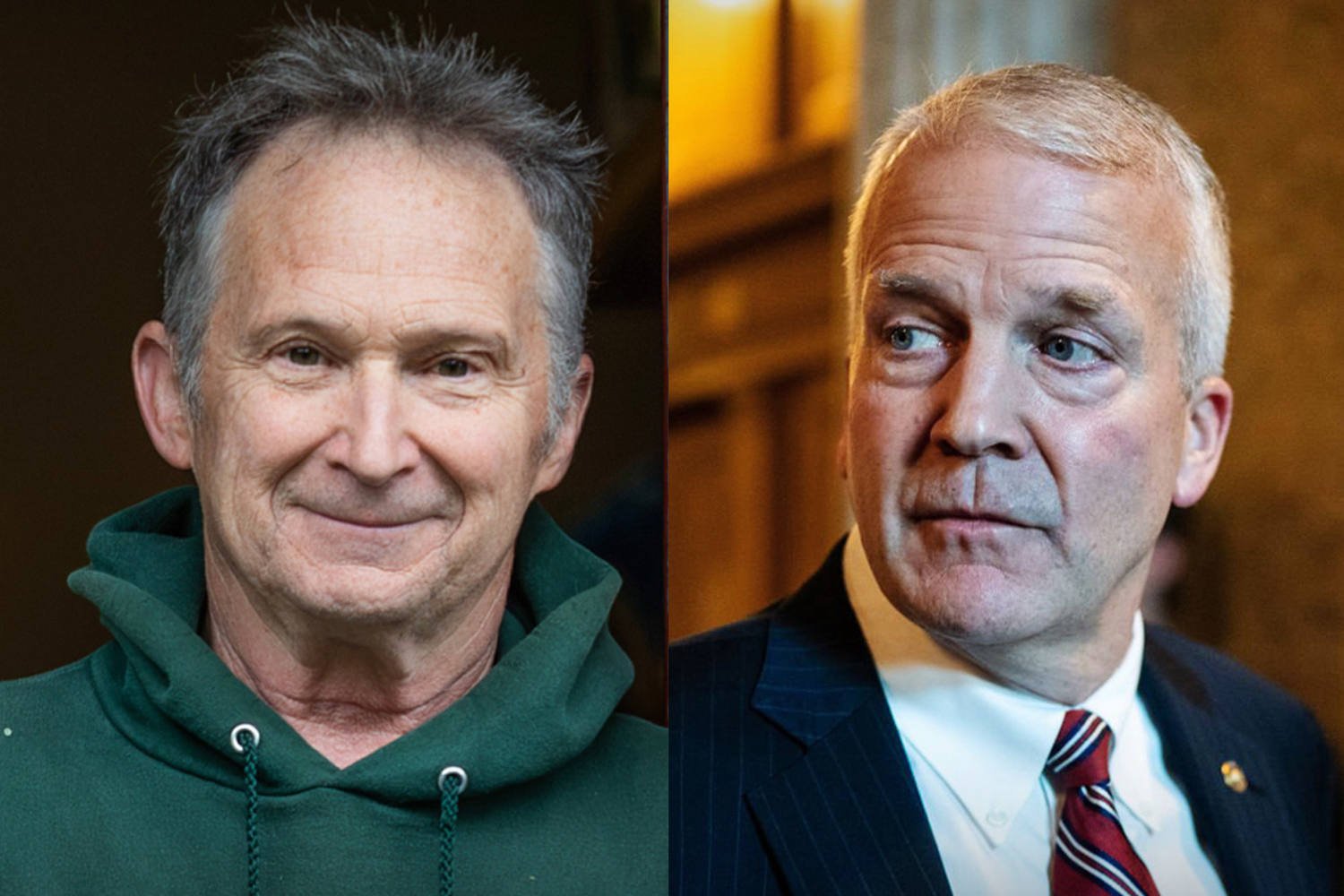
The dispute involves two candidates with nearly identical names. Republican Senator Daniel S. Sullivan faces another candidate, Daniel J. Sullivan Jr. Both men appear on Alaska’s November ballot. However, the Justice Department argues that their similar names could confuse voters. According to the filing, some supporters of the incumbent might accidentally vote for Sullivan Jr. Consequently, federal attorneys want the court to consider the potential effect on election results.
Stay connected to every major update — subscribe and follow us on the PhoenixQ website and across our social media platforms.
Ballot Labels and Voter Confusion
Alaska’s ballot includes information to distinguish the two candidates. Senator Sullivan appears with the labels “registered Republican” and “incumbent.” Meanwhile, Sullivan Jr. appears without a party affiliation. Nevertheless, DOJ attorneys argue these differences may not prevent mistakes. The department seeks to stop certification only if specific conditions occur. First, Senator Sullivan must lose the election. Second, transferring Sullivan Jr.’s votes to the incumbent must change the outcome. The department bases this argument on Alaska’s ranked-choice voting system.
Legal Experts Challenge DOJ Authority
The Alaska Senate election lawsuit has also raised concerns among election law specialists. Justin Levitt, a former Justice Department official, questioned the government’s legal authority. He argued that federal law does not generally authorize DOJ to challenge ballots or delay certification. Instead, candidates and private citizens typically bring such challenges. Furthermore, state and local officials administer elections and certify results. The Justice Department primarily enforces federal voting rights laws and prosecutes election violations.
Attorney General Addresses Election Interference
Attorney General Todd Blanche discussed election certification with reporters on the same day. He denied any intention to interfere improperly with election procedures. However, Blanche acknowledged that exceptional circumstances might require federal involvement. His comments came as the department pursued its legal challenge in Alaska. Consequently, the lawsuit has intensified debate about the federal government’s role in election administration.
Sullivan Jr.’s Candidacy Faces Earlier Challenges
Daniel J. Sullivan Jr. encountered legal difficulties before the November election. In June, Alaska election officials removed his name from the ballot. They questioned whether he had entered the race in good faith. Officials cited his attempt to use the name “Dan” instead of “Daniel.” They also raised concerns about his Republican registration history. However, Alaska courts later reversed the decision. As a result, Sullivan Jr. regained his place on the ballot.
Alaska Primary Results Highlight Close Contest
The August all-party primary offered an early picture of voter preferences. Democrat Mary Peltola received 49.5% of the vote. Meanwhile, incumbent Senator Sullivan secured 41.4%. Sullivan Jr. finished third with 2.5%. Although his share remained small, the Justice Department considers his candidacy potentially significant. Under ranked-choice voting, close results can make ballot preferences especially important. Sullivan Jr. did not respond to a request for comment about the lawsuit.
Republicans Accuse Rival Candidate of Spoiling Election
Republican officials have accused Sullivan Jr. of deliberately confusing voters. Senator Sullivan’s campaign alleges that Democrats encouraged his candidacy to weaken the incumbent. However, the allegation remains disputed. President Donald Trump has also criticized Sullivan Jr. publicly. He described the candidate as a spoiler and accused Democrats of manipulating the race. Nevertheless, the lawsuit’s allegations do not establish that Sullivan Jr. coordinated with Democratic officials.
Justice Department Defends Its Legal Action
Associate Attorney General Stanley Woodward signed the federal filing. He said the department wanted to protect election integrity in Alaska. Furthermore, a DOJ spokesperson accused Sullivan Jr. of attempting to mislead voters. The department cited the National Voter Registration Act as part of its legal argument. However, legal specialists question whether that law supports the requested intervention. The court must now evaluate the department’s claims and the available legal remedies.
Alaska Senate Election Lawsuit Raises Wider Questions
The Alaska Senate election lawsuit arrives during a politically sensitive period. Election Day is less than two weeks away. Therefore, the timing has attracted additional scrutiny. Critics argue that federal intervention could undermine confidence in state election administration. Supporters of the challenge emphasize the importance of preventing voter confusion. Ultimately, the court’s response could influence how officials handle the dispute. For now, Alaska voters face a closely watched Senate contest and an unresolved legal battle.