English















































Two of Canada’s largest energy companies announced major strategic moves on the same day, signaling a significant reshaping of the country’s oilsands and offshore sectors. Suncor Energy is selling its Newfoundland offshore assets for up to $1.55 billion, while Cenovus Energy is acquiring Athabasca Oil Corp. in a $5.7-billion deal to expand its Alberta oilsands footprint.
Suncor Exits Newfoundland Offshore for $1.55 Billion
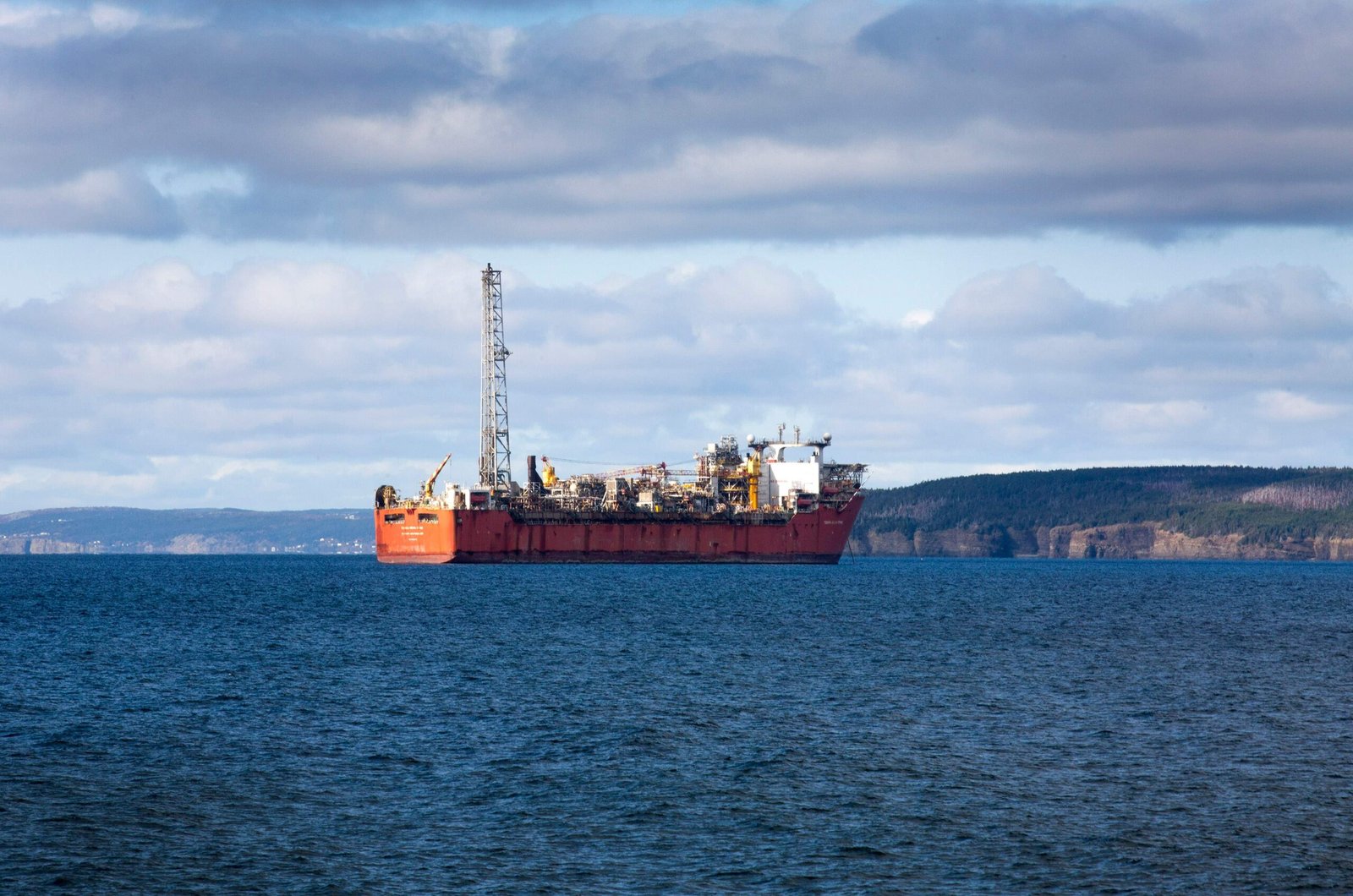
Calgary-based Suncor announced Sunday that U.K.-based Ithaca Energy PLC will purchase its interests in three offshore Newfoundland developments. The assets include the Terra Nova, White Rose, and West White Rose projects. Ithaca will pay $1.2 billion in cash upfront. It also agreed to a contingent payment of up to $350 million, depending on future oil prices.
Stay connected to every major update — subscribe and follow us on the PhoenixQ website and across our social media platforms.
Suncor CEO Rich Kruger said the sale reflects the company’s strategy to concentrate on its strongest assets. “This transaction further focuses our efforts on opportunities that generate the greatest long-term shareholder value,” Kruger said. He added that the company is aligning its portfolio around its “unparalleled, physically-integrated business, underpinned by large-scale, long-life oilsands resources.”
Despite the sale, Suncor will retain its stakes in two other Newfoundland offshore oilfields, Hibernia and Hebron. The transaction is expected to close in early 2027. In addition, Suncor announced it will increase share repurchases to $750 million per month from $500 million, starting in October.
Desjardins Securities analyst Robert Mann said the deal gives Suncor greater flexibility to pursue in situ oilsands development. He specifically pointed to projects such as Firebag and Lewis. Unlike open-pit mining, in situ operations use steam wells to extract bitumen from deep underground. These projects tend to be smaller, less expensive, and faster to build.
Cenovus Acquires Athabasca Oil in $5.7-Billion Deal
Meanwhile, Cenovus Energy announced a $5.7-billion cash-and-stock agreement to acquire Athabasca Oil Corp. Athabasca currently produces 40,000 barrels of oil per day from its oilsands operations. However, Cenovus sees a path to grow that output to 115,000 barrels per day by 2032.
Cenovus CEO Jon McKenzie called the opportunity exceptional. “That represents one of the most significant organic growth opportunities available in Canadian oilsands today,” he told analysts on a conference call Monday. He highlighted two Athabasca assets, Leismer and Corner, as key growth targets after the acquisition closes.
Under the deal terms, Athabasca shareholders can choose to receive $12 in cash or 0.264 of a Cenovus common share for each share they hold, subject to limits on total cash and shares available.
Desjardins analyst Mann also commented on the Cenovus deal. He acknowledged the acquisition does not come cheaply. However, he described it as “strategically compelling given the scarcity value of top-tier long-duration thermal inventory and the increasingly constructive backdrop for oilsands development.”
Policy Environment Supports Oilsands Growth
McKenzie pointed to recent government actions as factors supporting Cenovus’s growth plans. He said both the federal and Alberta governments have taken “positive steps” to boost the sector’s competitiveness. Last month, Prime Minister Mark Carney announced that businesses could immediately deduct a broader range of investment costs against their taxes. McKenzie said that measure “is not immaterial” to the company’s ability to accelerate growth.
Furthermore, McKenzie cited forthcoming royalty incentives from the Alberta government. Alberta expects to announce those incentives in November to encourage more oilsands production. “All of that fits together to draw capital back into the resource in the Athabasca Basin and probably accelerate growth as well,” he said.
Both announcements come shortly after Ottawa designated a proposed one-million-barrel-per-day pipeline to the West Coast as the first national-interest project under federal legislation passed last year. That pipeline, known as the Pacific Link project, is expected to start up around 2032. Industry observers have questioned whether oilsands producers would invest enough to fill it. The moves by Suncor and Cenovus suggest at least some major players are positioning for that future capacity.
Cenovus Holds Course on Atlantic Canada
Despite Suncor’s exit from several Newfoundland projects, Cenovus signaled it has no plans to follow suit. McKenzie confirmed the company intends to keep its Atlantic Canada holdings. Cenovus operates the White Rose offshore field and its planned extensions. It also holds a partnership stake in Terra Nova.
McKenzie said startup at the West White Rose expansion is “imminent.” He acknowledged Suncor’s decision but said Cenovus views its offshore position differently. “We continue to see that as a profitable area of the world in which we exist,” he said. “We are excited about bringing on West White Rose and look forward to first production there.”