English







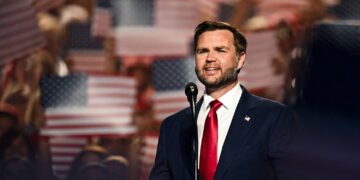





















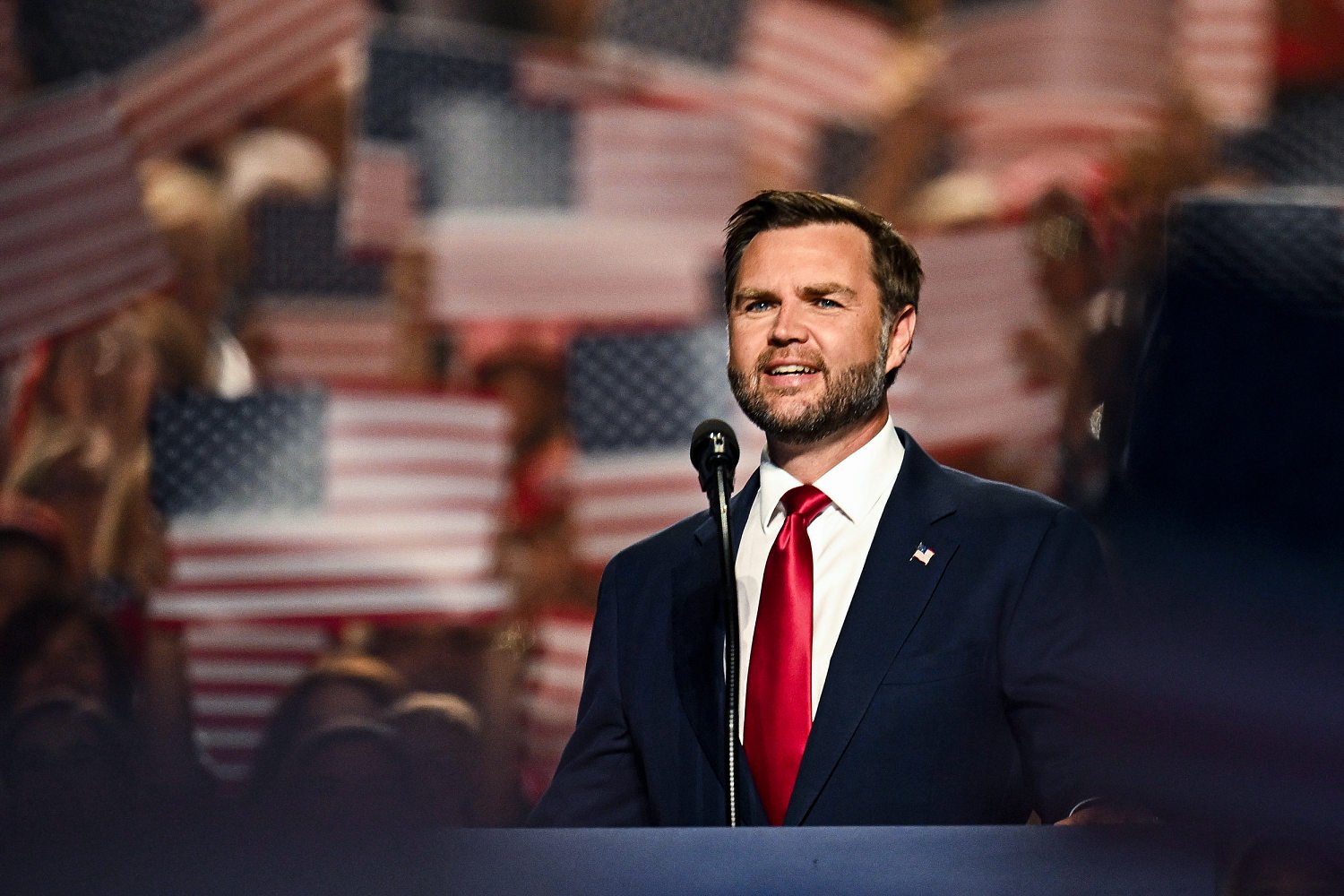
Vice President JD Vance admitted Thursday that Republicans face a difficult path in the upcoming midterm elections. He also suggested that the results could influence his thinking about a potential 2028 presidential run.
Vance made the comments during an interview with NBC News aboard Air Force Two. The aircraft had just landed after returning from Lakeland, Florida, where he campaigned for Senator Ashley Moody and Representative Byron Donalds, the Republican nominee for governor.
Stay connected to every major update — subscribe and follow us on the PhoenixQ website and across our social media platforms.
“Historically there’s always a bit of an uphill climb, and I think you definitely sense that,” Vance said. He added, however, that he also detected “cautious optimism,” noting that some numbers appeared to be moving in the Republican direction.
Midterm Challenges Weigh on GOP
Beyond historical trends, Republicans face a tough environment heading into November. Polls show President Donald Trump and the ongoing war in Iran remain deeply unpopular with voters. Rising gas prices have added to broader affordability concerns, and growing public skepticism about artificial intelligence and large data centers has created further headwinds for the party.
Vance, 42, acknowledged the difficulty directly. “There’s just a recognition that it’s always going to be hard to win a midterm when you have the White House, the Senate and the House,” he said. All of these factors could shape voter decisions in key House, Senate and gubernatorial races this fall.
When asked whether a poor Republican showing on November 3 would affect his thinking about 2028, Vance was measured. “You make these decisions by collecting as much information and trying to make a wise decision,” he said. “Regardless of what happens over the next 35 days, there will be new information, new things you have to make a decision over.”
He declined to speculate further. “Right now, I try not to think too much in hypotheticals,” Vance said. “I’m just going to try to do as well as I can and encourage people to elect the candidates that I think are good.”
Cruz Enters the 2028 Conversation
Vance also addressed a potential rival for the 2028 Republican presidential nomination. Senator Ted Cruz of Texas recently told MS NOW that Vance does not have a lock on the nomination and expressed interest in being “part of the discussion.” Cruz also framed the party’s future as a choice between a “small-government, free-market conservative party” and a “big-government, nanny state party.”
Vance responded calmly. “It is really obvious to me that, at this very moment, Ted Cruz is running for president,” he said. “At this moment, I’m not. I’m trying to help elect Republicans. That’s what I’m going to keep on doing.”
Meanwhile, Cruz has been actively raising money and campaigning for midterm candidates beyond Texas. He has traveled to Iowa and South Carolina, both of which hold early positions on the Republican presidential primary calendar. He also plans to campaign for Senator Dan Sullivan in Alaska and Republican Senate candidates Ken Paxton in Texas and Michael Whatley in North Carolina.
A Cruz spokesperson confirmed the senator’s focus. “Senator Cruz has been focused on electing Republicans up and down the ballot this November, and he will continue campaigning vigorously over the next several weeks to help make that happen,” the spokesperson said in a statement to NBC News.
Gas Prices, AI and Data Centers in Focus
During the interview, Vance addressed several issues central to this election cycle. He acknowledged frustration over high gas prices and said he discussed the topic with Donalds backstage at Thursday’s Florida rally.
On the broader political message, Vance argued that Republicans should acknowledge problems while highlighting their achievements. He also argued that Democrats created many of the current difficulties and that future Democratic leadership would make things worse. “I think people recognize that the message is starting to penetrate a little bit,” he said. “We are solving problems the Democrats created.”
Vance also took a nuanced position on data centers. He acknowledged local community concerns but said some companies had handled the situation well by sharing benefits and keeping electricity prices stable. Others, he noted, had not. His tone differed from President Trump, who in August described data centers as a “Golden Goose” and criticized opponents of their construction as wanting to “end up being backwards and poor.”
On artificial intelligence, Vance expressed both enthusiasm and caution. He compared current alarm over AI’s rapid advancement to early reactions during the Covid pandemic. “The risk is real, just like it was with Covid, but the remedy was not necessarily appropriate or tailored to the risk,” he said. He specifically warned against regulatory frameworks that shield AI companies from liability without addressing genuine dangers. “My fear with AI right now is that we respond not by forcing more responsibility on the companies that are creating the products but by creating a regulatory regime that actually shields them from liability,” Vance said.
Despite the challenges ahead, Vance said his immediate priority remains helping Republicans perform well in November. Any decision about his own political future, he made clear, would come only after the midterm results are in.