English
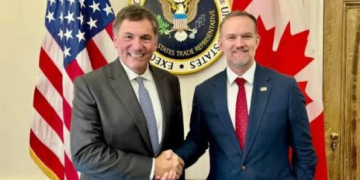







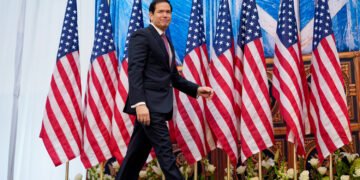








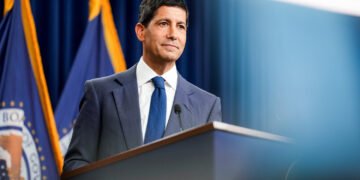

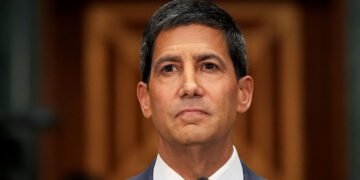















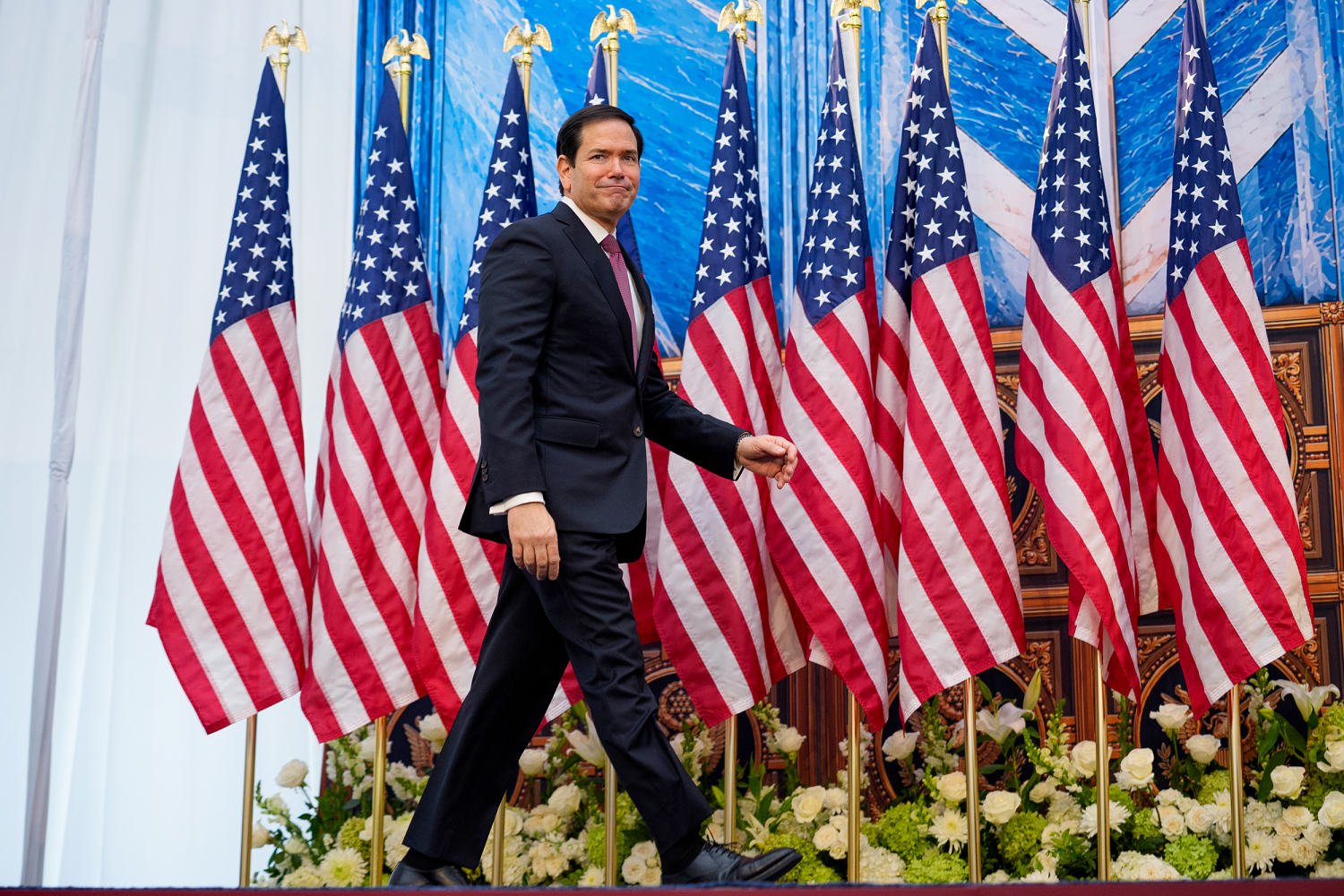
Secretary of State Marco Rubio has played a quiet but significant role in shaping U.S. strategy during the Iran war, operating largely behind the scenes while more prominent figures lead the public-facing negotiations. Despite keeping a low profile, Rubio has served as a key adviser to the officials directly involved in peace talks, including special envoy Steve Witkoff and Vice President JD Vance.
The extent of Rubio’s influence became clear during a critical moment in April. U.S. negotiators, meeting with Iranian officials in a marathon session, grew concerned that Iran was shifting the terms of a potential agreement. During a break, they called Rubio for guidance. He advised them not to accept Iran’s revised offer. The talks collapsed, and no deal was reached.
Stay connected to every major update — subscribe and follow us on the PhoenixQ website and across our social media platforms.
A Deliberate Distance from the Spotlight
Rubio is not the public face of the Iran negotiations. That role belongs primarily to Witkoff and Jared Kushner, President Trump’s son-in-law. Both men have taken the lead in efforts to resolve both the Iran conflict and the Russia-Ukraine war.
This arrangement marks a clear departure from historical precedent. Past secretaries of state typically commanded the spotlight during major diplomatic efforts. Henry Kissinger won the Nobel Peace Prize in 1973 for negotiating a Vietnam War ceasefire. John Kerry made repeated trips between Washington and the Middle East during the Obama administration in pursuit of an Israeli-Palestinian peace deal.
However, Rubio has chosen a different path. He helps shape strategy privately and advises those who appear publicly at the negotiating table. White House Chief of Staff Susie Wiles explained the arrangement to NBC News. “The reason that the American people perhaps don’t see Secretary Rubio as front and center on Iran is because he really does have the rest of the world to worry about,” Wiles said. She added that Trump’s broad global agenda requires more than one person to manage effectively.
Unique Position in the Cabinet
Rubio holds an unusually broad role in the Trump administration. He serves simultaneously as Secretary of State and National Security Adviser, first in an acting capacity and now permanently. That dual role gives him a West Wing office and far more direct access to Trump than most Cabinet members enjoy.
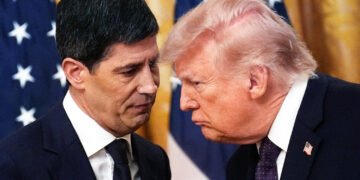
According to a White House official, Rubio may visit the Oval Office five or six times a day. The two men share a genuine rapport. Officials have overheard them discussing baseball batting averages and mixed martial arts results. “They jell well together,” said one person close to the White House. “I’ve seen people who don’t jell well with the president, and Marco is not one of those people.”
That relationship was not always so warm. Rubio and Trump clashed bitterly during the 2016 Republican presidential primaries. Trump mocked Rubio as “Little Marco.” Rubio fired back with jokes about Trump’s hand size. Over time, however, pragmatic politics transformed their rivalry into a working partnership. The Senate confirmed Rubio as Secretary of State by a vote of 99 to 0, a result that impressed even Trump.
Witkoff, meanwhile, regularly consults Rubio before and after negotiating sessions. Last weekend, the two men spoke by phone multiple times about an escalating situation involving Iran and Yemen. On Saturday, Witkoff reached Rubio while the secretary was watching his son play football for the University of Florida Gators in Gainesville.
Political Future and Presidential Ambitions
Rubio’s low profile on Iran may also carry political advantages. Public opinion polls show widespread American disenchantment with the conflict. As frustration grows, Rubio’s distance from the most visible and unsuccessful rounds of diplomacy could shield him from political backlash. Vance, by contrast, has attended multiple rounds of talks that produced no results.
Rubio has said publicly that he currently has no plans to run for president in 2028. Two people familiar with the matter told NBC News he has made similar statements privately. He has also acknowledged privately that the political landscape may be difficult for Republicans in 2028 and suggested that a run in 2032 or 2036 might be more viable.
Nevertheless, those close to him say the door is not fully closed. A second source told NBC News that Rubio has not ruled out a 2028 campaign. “Nobody knows what he’s going to do,” the source said. “Political calculation does not factor into literally anything that he’s doing right now.”
Rubio has also said privately that after nearly three decades in public office, he may prefer a private-sector career once Trump’s term ends. His financial disclosure form lists his net worth at no more than $240,000, excluding his home, which is valued between $1 million and $5 million. Those are modest figures in an administration where many officials are worth $100 million or more. At 55, Rubio is young enough to pursue a later campaign if he chooses to build his finances first.
Legacy in the Western Hemisphere
While the Iran negotiations dominate headlines, Rubio has focused considerable energy on the Western Hemisphere. He helped broker an oil deal with Venezuela this summer that the Trump administration believes will benefit both economies. Earlier this month, he met with Latin American heads of state to address illegal immigration and drug trafficking.
As the son of Cuban émigrés, Rubio is also driving the administration’s effort to pressure the Cuban government and push for democratic change in Havana. If he succeeds in nudging both Venezuela and Cuba toward democratic governance, that record could become a significant legacy for a secretary of state with presidential ambitions.
Other Cabinet members have not fared as well. Attorney General Pam Bondi, Homeland Security Secretary Kristi Noem, Labor Secretary Lori Chavez-DeRemer and Director of National Intelligence Tulsi Gabbard have all departed since Trump began his second term. Rubio, by contrast, has remained a stable and influential figure.
If Vance enters the 2028 race and struggles in the Republican primaries, sources say Rubio might enter the contest. Another scenario would see Rubio join Vance’s ticket as a running mate, something he would reportedly be open to if asked. Trump himself has reportedly suggested the two men run together, and his influence over the Republican base makes his preference significant. “Whoever the Republican nominee is in 2028, Donald Trump will decide,” one White House official said. “The president will have such an outsized influence in it.”
After the November midterm elections, attention will shift quickly to 2028 and the post-Trump era. Those around Rubio say he will not have long to make up his mind. “If he’s serious about running, he would have to say so reasonably soon,” the White House official said. “Once you’re elected, you never really get rid of that bug.”