English











































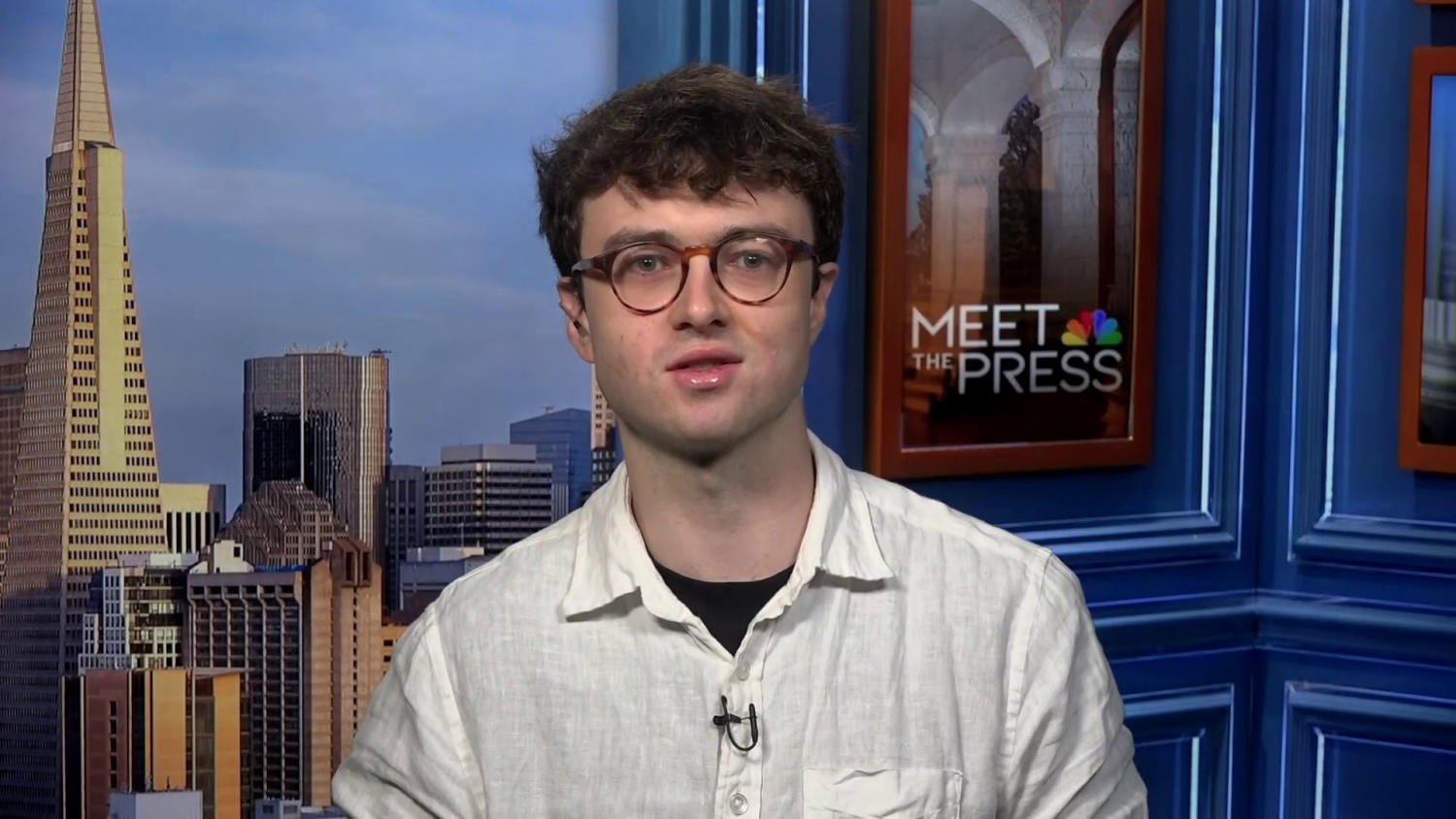
A former researcher at leading AI company Anthropic has issued a stark warning about the pace of artificial intelligence development, calling for coordinated global action to manage the risks it poses. Jacob Coxon, speaking in an interview with Meet the Press on September 13, 2026, said he believes AI capabilities could become “quite scary” within just six months to a year.
A Whistleblower Speaks Out
Coxon left Anthropic before going public with his concerns. He now argues that the speed of AI advancement is outpacing the safety measures designed to contain it. His warning adds to a growing chorus of voices inside and outside the tech industry urging governments to act.
Stay connected to every major update — subscribe and follow us on the PhoenixQ website and across our social media platforms.
During the interview, Coxon did not mince words. He described the near-term trajectory of AI as potentially alarming. His use of the phrase “quite scary” to describe what AI could look like within the next year signals a level of urgency that few insiders have expressed so directly in public.
The Case for Global Coordination
At the heart of Coxon’s message is a call for international cooperation. He argues that no single country can manage AI risks alone. Instead, he says governments around the world must work together to establish shared standards and oversight mechanisms.
This position reflects a broader debate among researchers and policymakers. Many experts believe that without coordinated regulation, competitive pressure between nations and companies could lead to dangerous shortcuts in AI safety. Coxon’s experience at Anthropic, one of the most prominent AI safety-focused companies in the world, gives his warnings particular weight.
Growing Pressure on the AI Industry
Coxon’s interview comes at a time of increasing scrutiny on the technology sector. Regulators in the United States and Europe have been moving toward tighter oversight of AI systems. Meanwhile, major AI labs continue to release increasingly powerful models at a rapid pace.
The tension between innovation and safety is not new. However, warnings from insiders like Coxon carry a different kind of authority. He has seen the technology from the inside, and his decision to speak publicly suggests he believes the risks are serious enough to demand immediate attention.
As AI capabilities continue to advance, the debate over how to govern them is only growing louder. Coxon’s call for global coordination on AI risks reflects what many researchers now see as an urgent and unavoidable challenge for governments worldwide.