English













































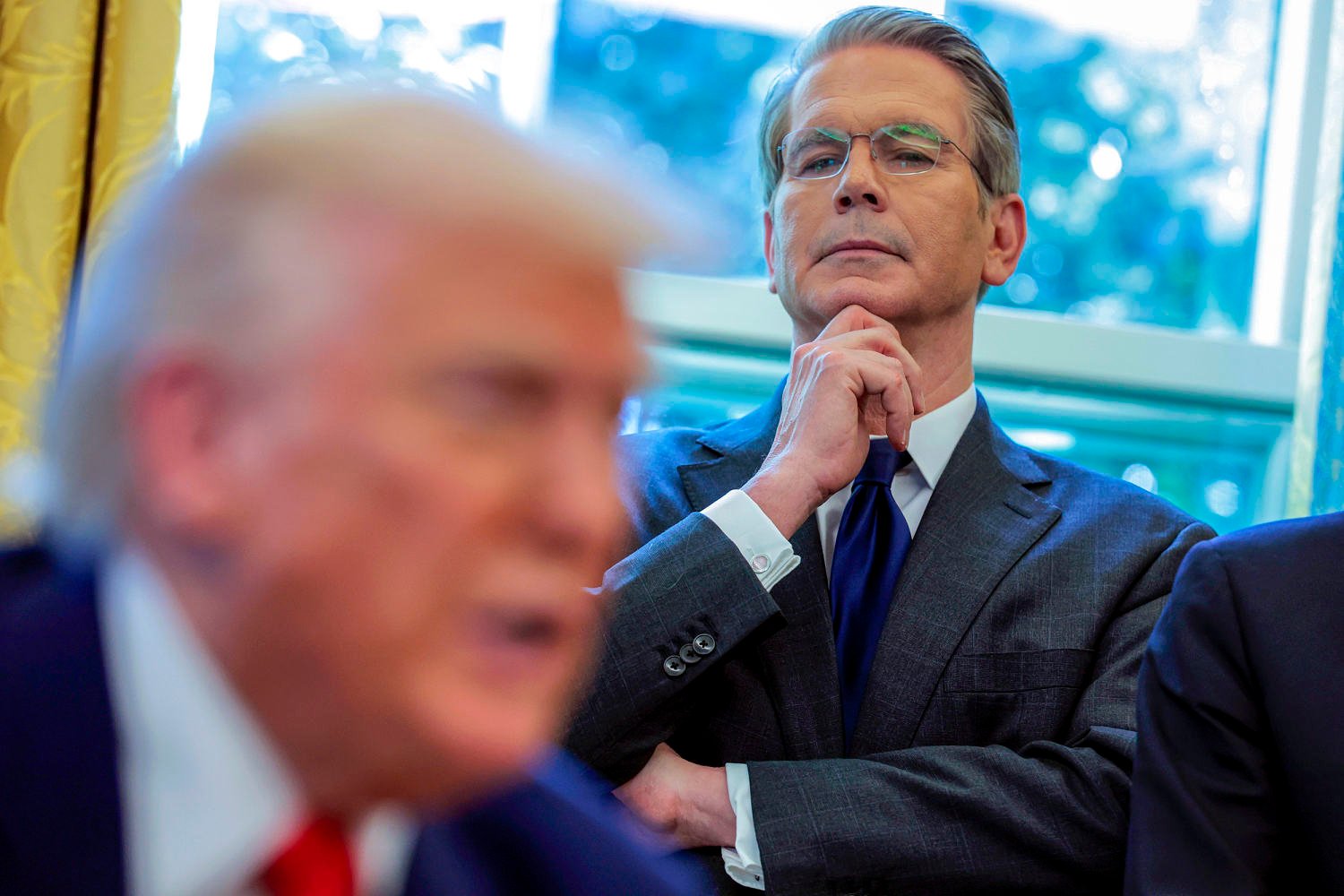
Treasury Secretary Scott Bessent is losing his battle with the bond market. Despite a series of deliberate moves designed to push long-term interest rates lower, bond traders have repeatedly pushed back. Yields on U.S. Treasury bonds have climbed to multi-year highs, defying Bessent’s strategy and raising questions about what tools the administration has left.
Bessent’s Bold Challenge to Bond Traders
The effort began last month when Bessent made an unexpected announcement. He promised to “at least double” the government’s typical repurchases of U.S. government debt. The administration hoped this move would boost demand for bonds and reduce the government’s borrowing costs. At the time, the national debt had just crossed the $40 trillion mark.
Stay connected to every major update — subscribe and follow us on the PhoenixQ website and across our social media platforms.
Bessent made his intentions clear at a September 8 event in Texas. “I have asymmetric information. I am the house now,” he told the audience. “You can bet against me if you want.” The message to markets was direct: do not bet against the Treasury Department.
However, traders did exactly that. The day after the announcement, the Treasury Department bought back $6 billion in longer-dated 10- to 20-year government bonds. Rather than falling, 10-year yields rose to 4.85%. By the end of Thursday, they had climbed further to 4.95%. That marks the highest rate since November 2023 and a roughly 0.30-point jump since Bessent began the buyback program in August.
Analysts Question the Scale and Strategy
Bond strategist Guy LeBas was blunt in his assessment. The buybacks are “at this point, not enough to make a difference” on interest rates, he said. He pointed to a telling contrast. On the same day the Treasury offered to buy back $6 billion in longer-dated bonds, it also issued $39 billion in new 10-year notes. Asked about the administration’s strategy, LeBas gestured at his screen. “An awful lot of red on my screen gives a better opinion of the strategy,” he said.
Wall Street analysts have also taken note of the unusual nature of Bessent’s approach. “Treasury debt management is entering a new regime,” the Bank of America research team wrote in a recent note to clients. The team described Bessent’s intervention as “activist,” comparing it to actions not seen since World War II. In 1942, the Federal Reserve cooperated with the Treasury Department to broadly peg interest rates lower in order to support large wartime deficits.
Some analysts also pointed to a so-called “Streisand effect.” Instead of reassuring markets, the government’s aggressive attempts to push yields down may have signaled to traders that the administration fears losing control of rates. That fear, in turn, may be encouraging traders to keep betting against Bessent.
Billionaire investor Stanley Druckenmiller, who served as Bessent’s longtime mentor in the private sector, addressed this dynamic in a Wall Street Journal op-ed. “Once markets believe Treasury is defending a price, every rise in yields becomes a test of official resolve, and the operations must grow to survive the tests,” Druckenmiller wrote.
Broader Economic Forces Drive Yields Higher
Beyond the Treasury’s actions, wider economic conditions are also pushing yields upward. Yields had already been rising after the U.S. entered into conflict with Iran. That development lifted oil prices and reignited concerns that inflation could force the Federal Reserve to raise interest rates.
The Fed, now led by Trump-appointed chair Kevin Warsh, meets Tuesday and Wednesday. It may choose to raise interest rates for the first time since 2023. Meanwhile, longer-dated Treasury yields, such as 10-year and 30-year rates, remain largely market-driven. Traders speculating on future economic conditions therefore hold significant influence over the government’s long-term borrowing costs.
Those yields also directly affect consumers. Credit card rates, mortgage rates and other household borrowing costs all move in relation to longer-dated Treasury yields. As a result, the ongoing sell-off in the bond market carries real consequences for ordinary Americans.
Running Out of Options
Bessent left the door open to further increases in buybacks. However, after both the yen intervention and the buyback program failed to suppress longer-term rates, the Treasury Department appears to be running low on conventional tools. More drastic options, such as discontinuing some longer-dated bond issuance entirely, remain on the table but would represent a significant escalation.
For now, the market appears unconvinced. LeBas offered a simple verdict on the administration’s approach. “Daring financial markets to do something is rarely a smart play,” he said.