English





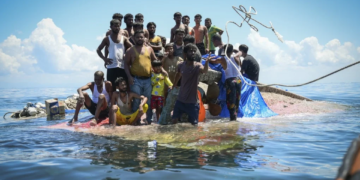
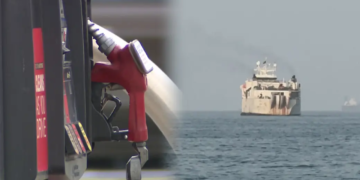

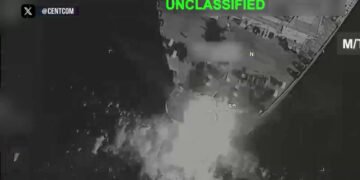


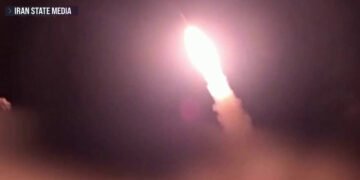































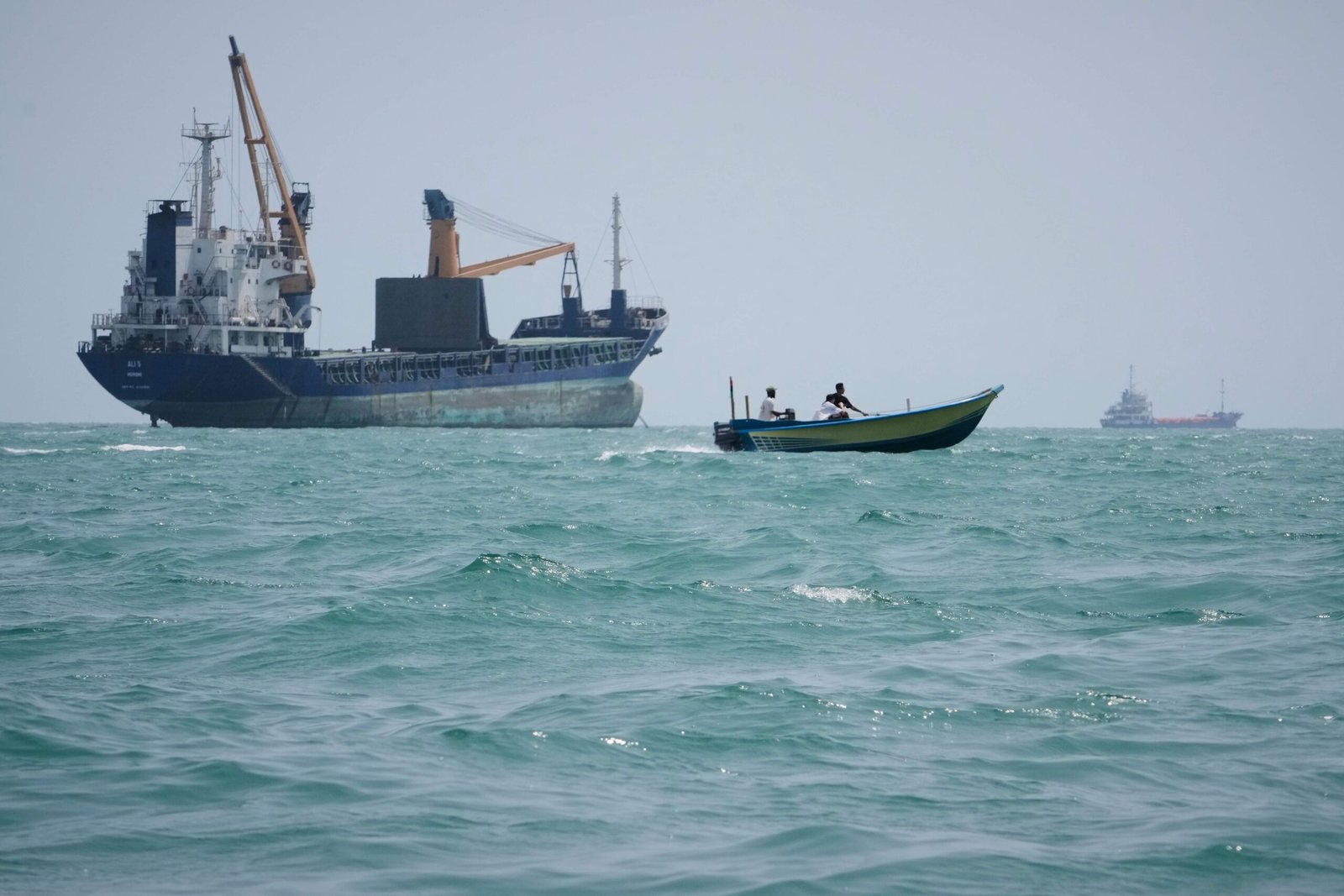
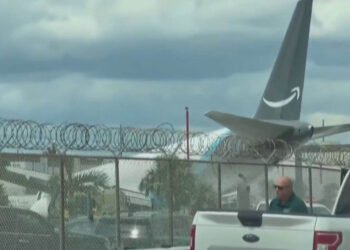
The United States military has flatly rejected an Iranian claim that its forces struck an unmanned American vessel attempting to enter the Strait of Hormuz, calling the assertion a “total lie.” The denial came on Sunday, one day after the U.S. military confirmed it had struck three Iranian oil tankers in retaliation for ballistic missile attacks targeting American Navy warships.
Escalating Strikes Amid Collapsed Negotiations
The current conflict traces back to U.S. and Israeli strikes on Iran on February 28. Although both sides announced a fragile ceasefire agreement in June, fighting has continued intermittently. With negotiations having collapsed, both nations have pursued strategies aimed at inflicting military and economic damage on the other.
Stay connected to every major update — subscribe and follow us on the PhoenixQ website and across our social media platforms.
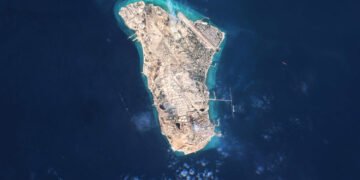
Hostilities resumed last week after roughly a month of relative calm. The Strait of Hormuz and areas along Iran’s southern coast have again become flashpoints. Earlier in the week, a U.S. bombardment killed at least five people and drew renewed attention to the region, where a school was struck during the opening phase of the war.
Experts have described the renewed exchange of strikes as a dangerous escalation. Iran’s previous maritime attacks had focused on commercial shipping, but the conflict has now drawn in direct military confrontations involving U.S. naval forces.
Trump Administration Pursues Dual Strategy
The Trump administration appears to be pursuing a two-track approach to the conflict. It is responding militarily to attacks on the strait while simultaneously targeting foreign financial institutions that process Iranian funds.
Tehran’s new hard-line leadership has signaled its willingness to endure prolonged pressure. Iran has spent decades developing methods to circumvent international sanctions. The country continues to rely on a shadow fleet of tankers to move its oil to buyers, helping to offset the economic strain caused by a U.S. blockade of its ports.
Oil Flows Through the Strait of Hormuz
The Strait of Hormuz sits at the center of Tehran’s strategic leverage. The waterway, considered an international shipping lane before the war began, carries a critical share of the world’s oil and natural gas supplies.
On Sunday, U.S. Energy Secretary Chris Wright told CNN that an average of 9 million barrels of oil per day are currently passing through the strait. He said this volume should help ease pressure on global energy prices. His figure appeared to exceed the average recorded over the past 28 days, according to TankerTrackers.com and other tracking sources.
Wright added that when combined with regional pipeline flows, total oil movement stands at roughly two-thirds or more of pre-conflict levels. He acknowledged that continued flows depend heavily on the U.S. Navy escorting tankers and protecting them from potential Iranian attack. Wright expressed confidence that other countries would eventually join in supporting those naval efforts.
Nuclear Talks Break Down, Diplomatic Pressure Mounts
Iran’s nuclear program remains a central issue underlying the conflict. Negotiations intended to address it fell apart shortly after the U.S. and Iran signed a memorandum of understanding in mid-June.
Diplomats now say the United States, Britain, France and Germany are seeking to refer Iran to the United Nations Security Council. The referral would cite Iran’s failure to comply with its nuclear nonproliferation obligations. The move would mark a significant escalation on the diplomatic front, adding further pressure on Tehran as military and economic tensions continue to mount.