English

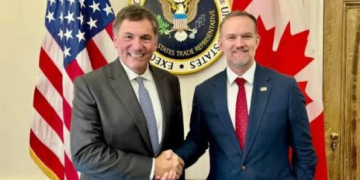









































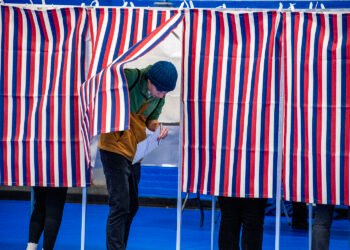
A federal judge has again blocked the Trump administration’s attempt to give the U.S. Postal Service control over how states conduct mail-in voting, issuing a preliminary injunction just weeks before the 2026 midterm elections. U.S. District Judge Indira Talwani, based in Boston, ruled Friday that the new Postal Service rule governing mail ballot distribution is likely unlawful and unconstitutional.
Judge Warns of Mass Voter Disenfranchisement
Talwani found that rushing the rule into effect less than 70 days before the November 2026 election would make voter disenfranchisement “practically inevitable.” She wrote that the record contains “no evidence relating to fraudulent mail voting” to justify the accelerated timeline.
Stay connected to every major update — subscribe and follow us on the PhoenixQ website and across our social media platforms.
In her ruling, Talwani stated that immediate enforcement of the rule “threatens disenfranchisement of millions of United States citizens who seek to vote by mail.” She rejected the Justice Department’s request to pause her order pending an appeal. She also clarified that her injunction applies only to the 2026 midterms, noting that later elections could face legal challenges through the normal judicial process.
The Department of Justice did not immediately comment on the ruling. However, it filed a notice Friday night stating it would appeal to the First Circuit Court of Appeals.
What the Postal Service Rule Requires
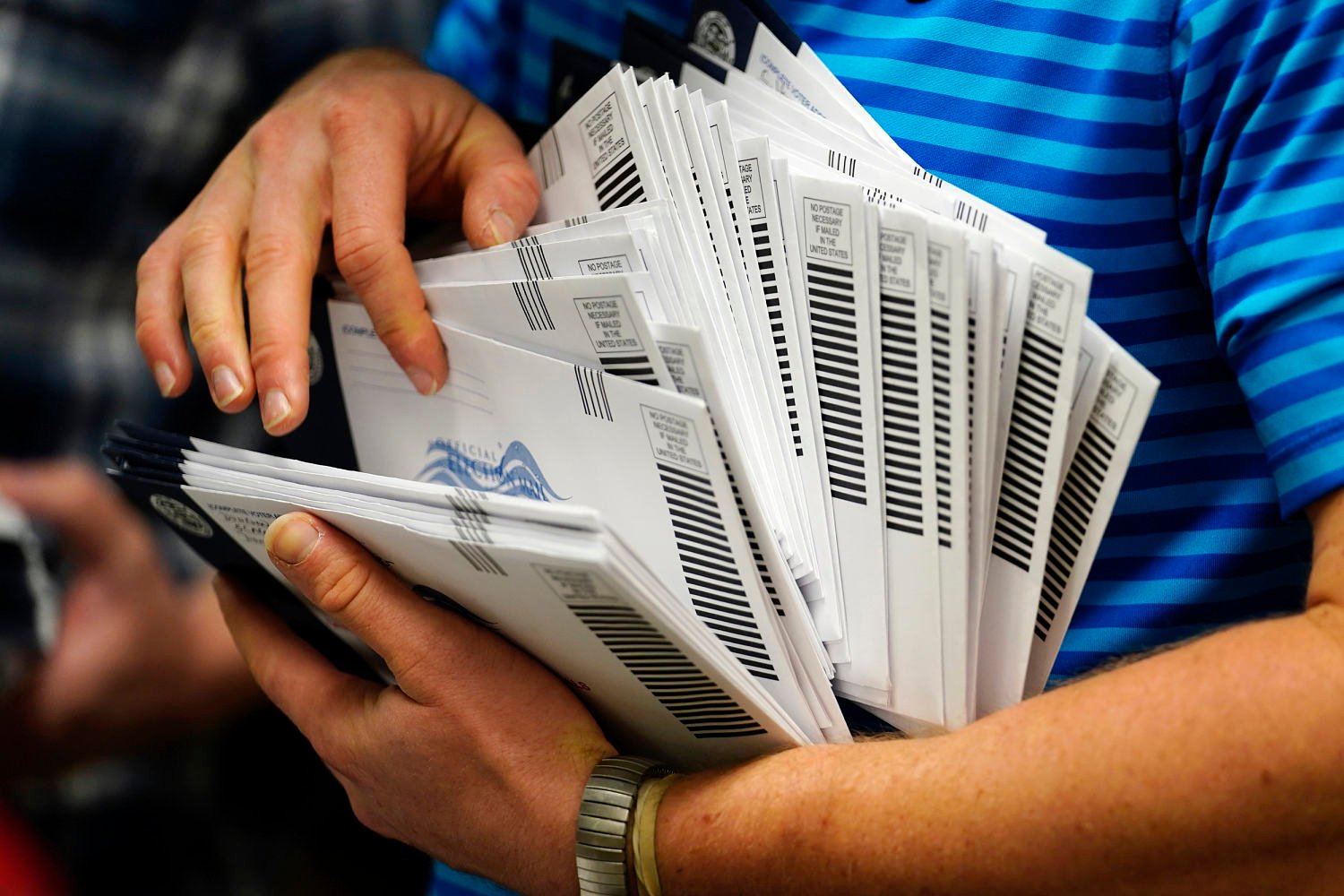
The contested rule stems from an executive order President Donald Trump signed on March 31, titled “Ensuring Citizenship Verification and Integrity in Federal Elections.” Under the rule, the USPS would refuse to deliver mail ballots unless states first submitted their ballot envelope designs and received advance federal approval.
Election officials would also need to create accounts on a new electronic portal, certify approval of ballot designs, and upload each voter’s name, address, and a unique mail barcode into the system. Talwani found that states have neither the time nor the resources to complete all of these steps before the midterms.
“The states have neither time nor funds to design new mail ballots, seek approval of the new designs, order production of mail ballots, update their own election management systems, train election officials to use the USPS portal, and upload citizen data to the portal, all before the midterms,” she wrote.
North Carolina Begins Mailing Ballots
North Carolina started sending out ballots on Friday, as required under state law. State Attorney General Jeff Jackson, a Democrat, warned Thursday that a Supreme Court ruling in the administration’s favor would “throw our election into chaos.”
“The ballots are printed, the process is underway, and North Carolinians deserve a lawful and orderly election,” Jackson said.
The Trump administration had asked the Supreme Court on Thursday to override Talwani’s earlier temporary order blocking the rule. In that prior ruling, the judge sided with states and voting rights groups who argued the Postal Service rule unlawfully stripped states of their authority to regulate their own elections and left them facing an “impossible” compliance deadline.
Administration Pushes Back, Calls Changes Modest
U.S. Solicitor General John Sauer argued in his Supreme Court filing that Talwani’s order, not the administration’s timeline, is causing confusion. He contended that making compliance voluntary rather than mandatory risks chaos if a court later lifts the injunction and the rule takes effect.
“There is a grave risk that states may not have taken the necessary steps to comply due to the false latitude allowed by the court’s improper order,” Sauer wrote. He also described the underlying rule changes as “modest.”
This is not the first time Talwani has blocked a Trump administration effort on mail voting. She issued an earlier injunction in a related case, but the Supreme Court reversed that order last month, finding the rule had not yet been formally finalized. The court noted at the time that its decision did not guarantee the legality of any future implementation. The rule was finalized late last month, prompting the current legal challenge and Friday’s renewed injunction.