English














































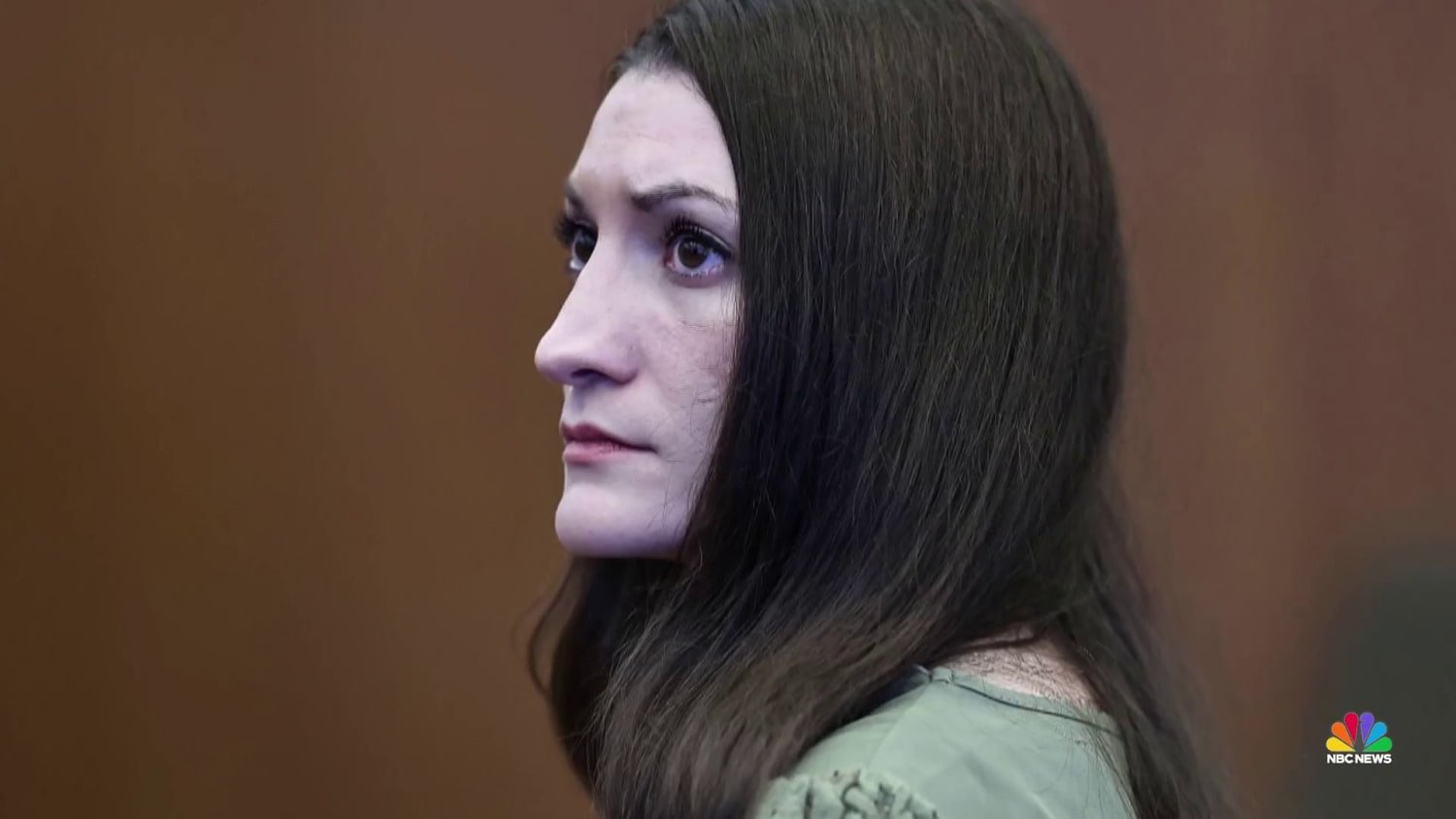
A Massachusetts murder trial involving Lindsay Clancy ended in a mistrial on September 4, 2026, following a dramatic final day that included an emergency appeal to the state’s highest court. The case, which drew widespread national attention, collapsed after jurors failed to reach a unanimous verdict.
Defense Makes Last-Minute Appeal to State Supreme Court
In an extraordinary move on the final day of proceedings, Clancy’s defense attorneys brought an urgent appeal before Massachusetts’ top court. The defense argued that a single juror was preventing a not guilty verdict from being reached. The state’s highest court considered the appeal, but the jury ultimately remained deadlocked.
Stay connected to every major update — subscribe and follow us on the PhoenixQ website and across our social media platforms.
The defense publicly blamed one juror for the deadlock. According to Clancy’s legal team, that juror stood in the way of what they believed would otherwise have been an acquittal. The claim added a sharp edge to an already tense conclusion to the high-profile case.
Mistrial Declared After Jury Deadlock
With jurors unable to agree on a verdict, the court declared a mistrial. NBC News correspondent Emilie Ikeda reported on the case’s dramatic conclusion. The mistrial leaves Clancy’s legal future unresolved, as prosecutors may choose to retry the case.
The Lindsay Clancy murder trial had attracted significant media coverage throughout its duration. The case centered on serious criminal charges, and the outcome disappointed those on both sides who had hoped for a definitive resolution.
What Comes Next
A mistrial does not result in an acquittal or a conviction. Prosecutors now face a decision on whether to bring the case back to trial. No announcement on retrial plans appeared immediately following the court’s declaration.
The collapse of the Lindsay Clancy murder trial after such an unusual final-day legal maneuver is likely to keep the case in the public eye. Legal observers noted that a last-minute appeal over juror conduct at this level of court is highly uncommon. The outcome raises broader questions about jury deliberation processes in high-stakes criminal proceedings.