English












































Dr. Anthony Fauci faces renewed political and legal scrutiny after a contentious Senate hearing ended with Republicans announcing plans for a contempt vote. The Fauci Contempt Vote Next development followed Fauci’s repeated invocation of his Fifth Amendment rights during hours of questioning. The hearing marked another chapter in the long-running dispute over the U.S. response to the COVID-19 pandemic and its origins.
Senate hearing ends with contempt threat
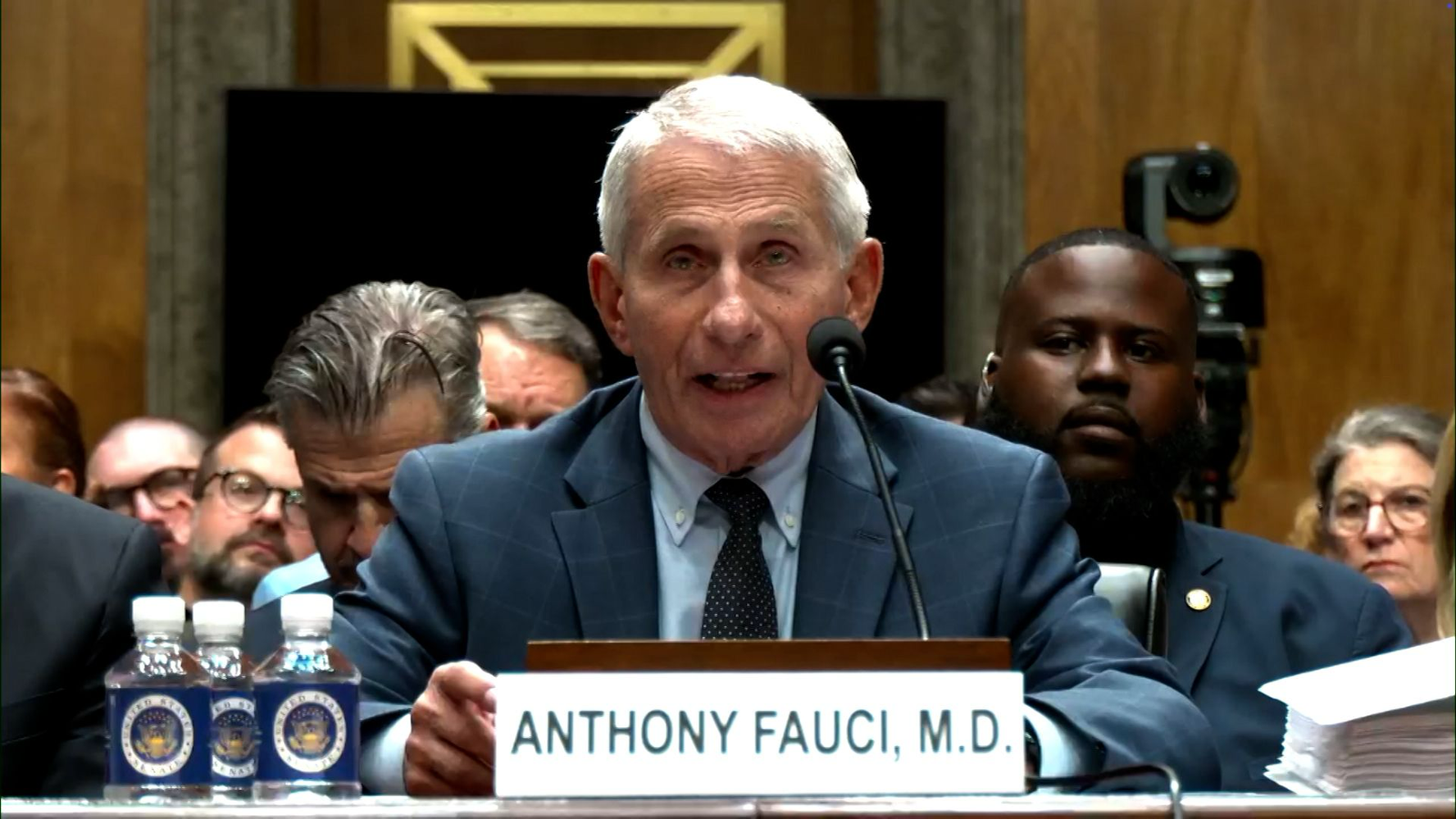
Republican Sen. Rand Paul, who chairs the Senate Homeland Security and Governmental Affairs Committee, subpoenaed Fauci to testify. However, Fauci announced at the start of the hearing that he would not answer questions. He cited his constitutional protection against self-incrimination and argued that Paul had publicly sought his prosecution.
Despite that statement, Republican senators continued the hearing. They questioned Fauci about National Institutes of Health research, the origins of COVID-19 and previous congressional testimony. Each time, Fauci invoked the Fifth Amendment.
Near the hearing’s conclusion, Paul declared that the committee would vote next week on holding Fauci in contempt of Congress. If approved, the matter could move to the U.S. Department of Justice for possible review.
“Don’t miss any major story—stay connected with PhoenixQ.”
Republicans and Democrats clash
Republican lawmakers argued that Congress deserves answers about federal research funding and pandemic decision-making. Paul maintained that a presidential pardon does not erase factual disputes or prevent congressional oversight.
Paul also released more than 1,100 pages from Fauci’s former work diary before the hearing. He claimed the documents could shed light on key decisions made during the pandemic.
Meanwhile, Democrats criticized the hearing’s purpose. They argued the committee should focus on current national security and public health priorities instead of revisiting past disputes.
Sen. Maggie Hassan told Fauci the hearing appeared designed to entrap him. Sen. Gary Peters also questioned why lawmakers devoted hours to past controversies rather than future preparedness.
Long-running dispute returns
The confrontation renewed a years-long disagreement between Fauci and Paul over research conducted in Wuhan, China. Paul continues to argue that the National Institutes of Health supported gain-of-function research linked to the coronavirus.
Fauci has consistently rejected those allegations. He has repeatedly stated that NIH did not fund research that created the virus responsible for the pandemic. Federal investigations have also reached no definitive conclusion about the virus’s origin, while finding no evidence that researchers engineered the virus before its emergence.
Before the hearing, Health and Human Services Secretary Robert F. Kennedy Jr. suggested lawmakers could pursue perjury charges if Fauci contradicted previous testimony. President Donald Trump also criticized Fauci on social media, saying the former health official “made too many bad calls” during the pandemic.
Legal questions remain unresolved
Fauci retired from government service in 2022 after leading the National Institute of Allergy and Infectious Diseases for decades. He has testified before Congress more than 250 times. This hearing marked the first occasion when he invoked the Fifth Amendment.
His attorney argued that continuing cooperation with Congress had become impossible because of what he described as an ongoing campaign against his client. During the hearing, security also escorted Fauci’s lawyer from the room after repeated interruptions.
The upcoming committee vote will determine whether lawmakers formally recommend contempt proceedings. Even if the committee approves the measure, further legal action would depend on the Justice Department’s review. As political divisions over the pandemic continue, the dispute surrounding Fauci remains one of Washington’s most contentious public health battles.