English














































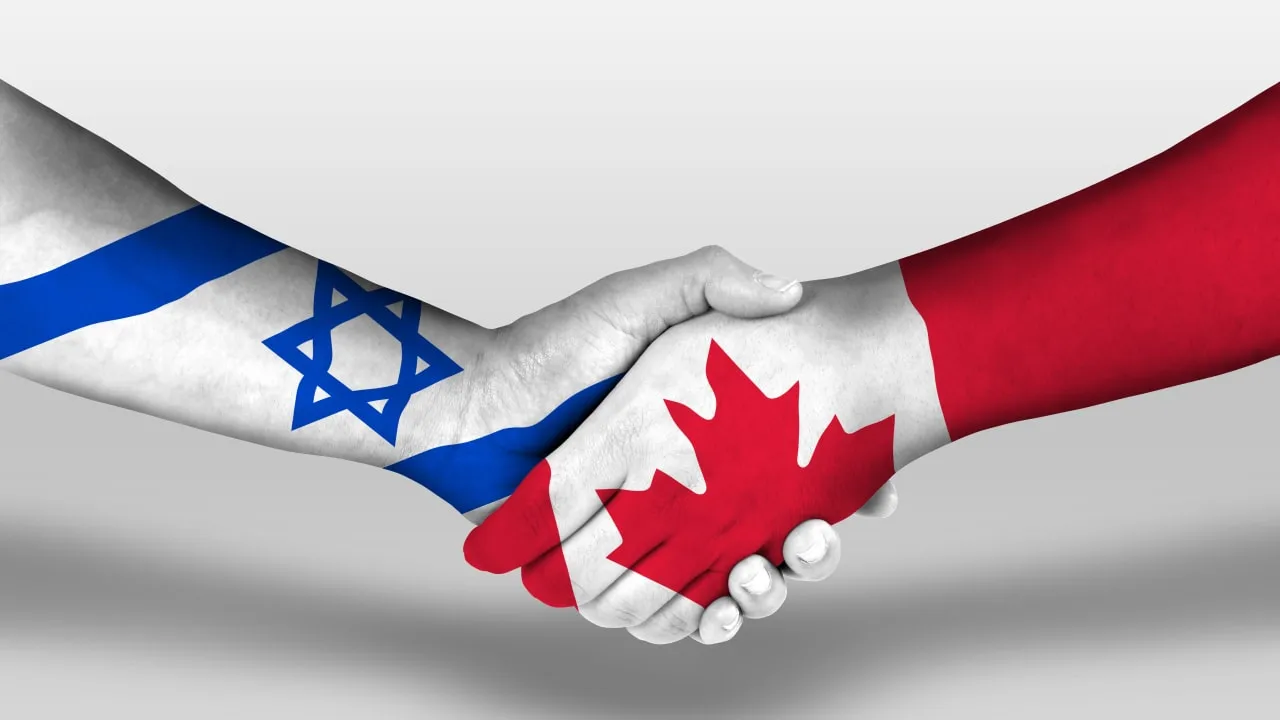
Israel Canada Technology Partnership Seeks New Opportunities
Israel Canada Technology Partnership remains a priority for Israeli officials despite growing political tensions between the two countries. Israeli Ambassador Iddo Moed says both nations can strengthen cooperation in artificial intelligence, cybersecurity, and digital health. However, diplomatic disagreements over the Middle East continue to complicate bilateral relations.
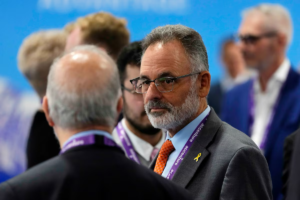
Israel Promotes Technology Cooperation
Ambassador Moed described Canada and Israel as innovation-driven countries that export advanced technologies and solve global challenges. He argued that stronger cooperation would benefit both economies while creating practical solutions for public services.
Moed said Israeli technology companies want to collaborate with Canadian partners on cybersecurity and artificial intelligence. He also highlighted smart traffic systems that use data to improve transportation efficiency. According to him, these technologies could help Canadian municipalities manage congestion more effectively.
In addition, Israeli firms hope to introduce their hospital-at-home model to Canadian provinces. The system allows doctors to monitor patients remotely through wearable devices and video consultations. Pilot projects have already operated successfully in Europe and the United States.
“Stay connected to every major update — subscribe and follow us on the PhoenixQ website and across our social media platforms.”
Diplomatic Tensions Continue
Despite these proposals, relations between Canada and Israel remain strained. Moed has described the current relationship as the weakest in nearly 80 years of diplomatic ties.
Prime Minister Mark Carney has not held a formal meeting or phone call with Israeli Prime Minister Benjamin Netanyahu. Canada has criticized Israel over the humanitarian situation in Gaza and has accused its government of failing to protect civilians. Ottawa has also objected to restrictions on humanitarian aid deliveries.
Furthermore, Foreign Affairs Minister Anita Anand stated that Israel’s treatment of Canadians involved in a Gaza-bound flotilla violated the Vienna Convention.
Meanwhile, Israel argues that Canada has weakened prospects for peace. Israeli officials point to Canada’s criticism, changes in United Nations voting, and recognition of the State of Palestine as major concerns.
Innovation Remains a Shared Interest
Even with political disagreements, Moed believes technology can create common ground. He said both countries value innovation and entrepreneurship. However, he argued that Israel has achieved greater success in transforming research into commercially viable startups.
The Israeli embassy continues connecting companies from both countries through a virtual innovation network. That initiative aims to encourage collaboration across cybersecurity, artificial intelligence, agriculture, transportation, aviation, and communications.
Earlier this year, Canada’s AI Minister Evan Solomon met with Moed to discuss potential cooperation. After the meeting, Solomon emphasized that dialogue remains important, especially during difficult times.
Domestic Debate Shapes Canada’s Response
Not every Canadian politician supports deeper engagement with Israel. Earlier this month, Alberta NDP Leader Naheed Nenshi apologized after appearing in a photograph with Moed during the Calgary Stampede.
Nenshi later said the image caused distress because of the ongoing conflict in Gaza and Israel’s military operations in Lebanon. He also criticized the embassy’s social media message accompanying the photograph.
In response, the Israeli embassy argued that the apology encouraged hostility instead of promoting respectful dialogue.
AI Safety Becomes a Key Focus
Moed also called for stronger international cooperation on artificial intelligence safety. He argued that governments should work together to reduce hateful and violent content generated through AI systems.
He expressed concern about antisemitic content spreading across digital platforms and AI services. According to Moed, protecting online spaces from hate speech benefits every community, not only Jewish communities.
Canada has supported international discussions on AI regulation for several years. Therefore, AI governance could become one area where both governments continue practical cooperation despite broader diplomatic disagreements.
Although political tensions remain significant, Israel Canada Technology Partnership continues to offer opportunities in innovation, cybersecurity, healthcare, and responsible artificial intelligence. Whether those opportunities develop further will likely depend on future diplomatic relations between Ottawa and Jerusalem.