English


























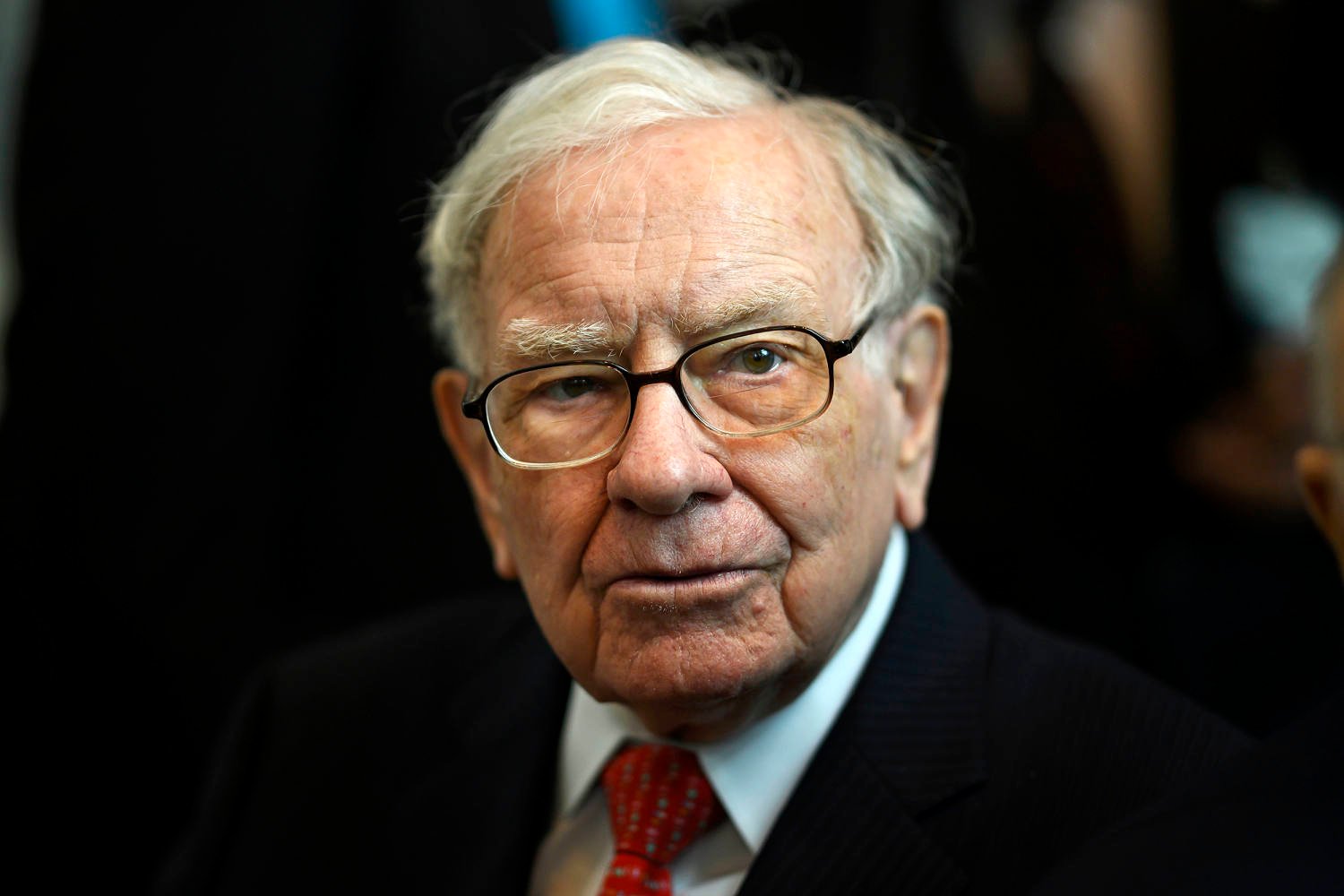
Warren Buffett has stepped down as chairman of Berkshire Hathaway, ending a leadership role that spanned more than six decades and made him one of the most recognized investors in the world. Berkshire announced on Friday that Buffett would become chairman emeritus effective immediately. His son, Howard G. Buffett, takes over as the new chairman of the board.
“As Chairman Emeritus, Mr. Buffett will remain a member of the Board of Directors and will continue to offer his valued judgment and perspective,” the company said in a statement.
Stay connected to every major update — subscribe and follow us on the PhoenixQ website and across our social media platforms.
The move follows Buffett’s departure as CEO just eight months ago. At that time, Greg Abel, his longtime deputy, stepped in as chief executive. When Buffett left the CEO role, Berkshire had indicated he planned to keep the chairman title. However, that has now changed as well.
Buffett Reflects on a Remarkable Run
In a letter to Berkshire shareholders on Friday, the 96-year-old Buffett struck a reflective tone. “Father Time always wins,” he wrote. “He has, however, been generous with me. He has given me the opportunity to see Berkshire reach a point where I am more confident than ever about what lies ahead.”
Buffett first joined Berkshire in 1965 and became chairman in 1970. Over that period, the company’s share price climbed more than 5,500,000%. By comparison, the S&P 500 returned roughly 39,000% over the same timeframe. That extraordinary gap reflects the scale of what Buffett built.
Despite his age, Buffett remained active in recent months. He appeared in interviews with CNBC as recently as July, though observers noted his voice sounded noticeably weaker.
A Conglomerate Built Across Industries
Under Buffett’s leadership, Nebraska-based Berkshire Hathaway grew into a trillion-dollar conglomerate. The company operates across a wide range of industries. Its holdings include the BNSF railroad, insurer Geico, and well-known consumer brands such as Fruit of the Loom, Benjamin Moore, Duracell, and Dairy Queen.
Buffett built Berkshire at the crossroads of Wall Street and Main Street. He invested in businesses that everyday Americans understood and used. That philosophy guided decades of decision-making.
Even in his final months as chairman, Buffett continued to make significant investment moves. In July, he told CNBC that Berkshire had initiated a position in Alphabet, the parent company of Google. He admitted he “made a mistake” by not investing in the tech giant sooner. That investment now stands at more than $27 billion and ranks as Berkshire’s fifth largest holding.
Late to Tech, But Never Wrong for Long
The Alphabet admission echoed an earlier situation with Apple. Buffett had long championed an invest-in-what-you-know approach. In 2012, he publicly said he wished he had bought Apple shares earlier. Despite the late start, Berkshire first purchased Apple stock in 2016. Apple has since become Berkshire’s single largest holding, valued at nearly $80 billion as of Thursday.
Buffett also shared a notable story about Apple’s former CEO Steve Jobs. Jobs once asked him directly: “We’ve got all this cash, Warren, what should we do with it?” Buffett advised Jobs to begin buying back shares. Shortly after that conversation, Apple launched its first-ever share buyback program.
A Legacy That Extends Beyond Investing
Beyond finance, Buffett has made a lasting mark on global philanthropy. He currently ranks as the world’s 10th richest person, with a net worth exceeding $145 billion. Over the past decade, he donated nearly $50 billion to the Bill & Melinda Gates Foundation.
In addition, Buffett co-created The Giving Pledge, an initiative that encourages billionaires to commit the majority of their wealth to charitable causes. Many of the world’s wealthiest individuals have since signed on.
Buffett himself made his intentions clear. “More than 99% of my wealth will go to philanthropy during my lifetime or at death,” he pledged. As he steps back from his final formal role at Berkshire, that commitment remains one of the defining statements of his public life.