English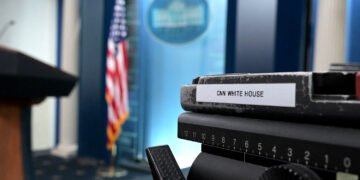





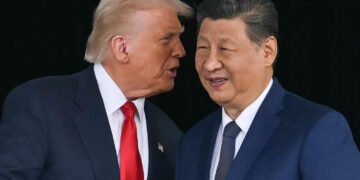

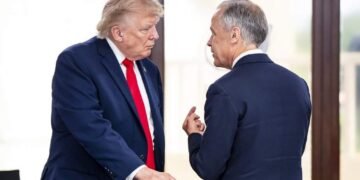
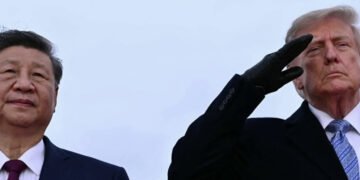

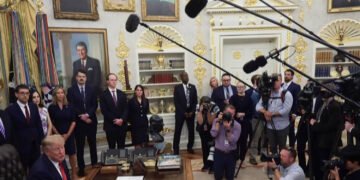
















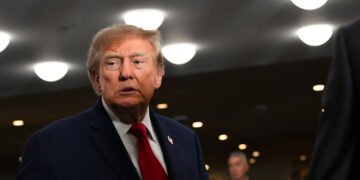






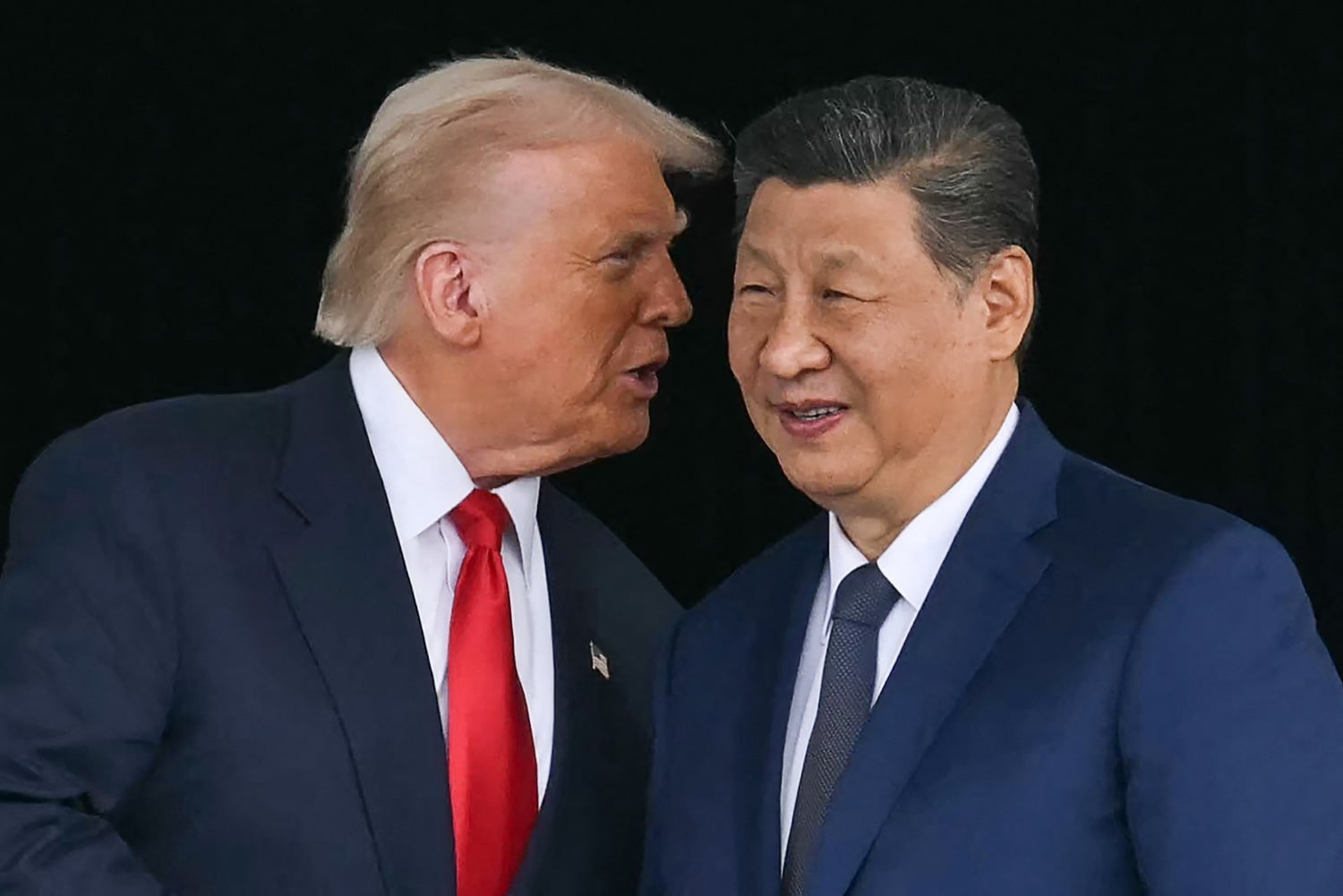
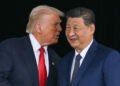
President Donald Trump extended an extraordinary welcome to Chinese leader Xi Jinping this week, greeting him personally on the tarmac at Joint Base Andrews in Maryland and rolling out red carpets on two separate occasions. The lavish reception marked a striking contrast with Trump’s long record of accusing China of election interference, economic exploitation and military aggression.
Trump became the first sitting U.S. president to meet a visiting world leader directly at the airfield rather than at the White House. The two leaders walked side by side down a 100-foot red carpet after Xi’s Air China plane landed. A second red carpet greeted Xi and his wife, Peng Liyuan, the following morning at the White House for the first full day of summit talks.
Stay connected to every major update — subscribe and follow us on the PhoenixQ website and across our social media platforms.
A Lavish Welcome Despite Deep Tensions
Trump hosted Xi at a state dinner on Wednesday evening. The menu featured sesame-crusted sea bass, braised bok choy, vanilla crémeux and honey ice cream. Trump also presented Xi with a bald eagle statue as a personal gift.
Speaking at the dinner, Trump emphasized the personal bond between the two leaders. “The ties between our people endure, and we’ve never gotten along better since the first trade ships from New York left the harbor to arrive on the banks of the Pearl River,” he said. Earlier that day, Trump told reporters that he and Xi had “forged a friendship — a truly great friendship, actually — built on mutual respect and the vital interests of our people.”
Xi struck a similarly warm tone. He said the two leaders had developed a “personal rapport and stayed in touch.” Xi also announced that China would send two giant pandas, Ping Ping and Fu Shang, to the Atlanta Zoo.
However, the warm atmosphere drew criticism from within Trump’s own party. Senator Roger Wicker, a Mississippi Republican and chairman of the Armed Services Committee, said on the Senate floor that he would have advised Trump against inviting Xi for “such a lavish welcome,” citing serious concerns about China’s behavior. Senator Lisa Murkowski of Alaska told NBC News the red-carpet treatment was “a little bit over the top.” Senator John Kennedy of Louisiana said he did not object to a dinner but warned Trump not to take Xi’s words at face value.
Serious Security Concerns Loom Over Summit
The summit took place against a backdrop of significant geopolitical friction. Just two months before the meeting, Trump gave a primetime address claiming China interfered in the 2020 presidential election. Meanwhile, three sources familiar with the matter told NBC News that an F-15 fighter jet shot down over Iran in April was most likely struck by a Chinese-made shoulder-launched missile. One of those sources and a U.S. official also said China may have supplied Iran with radar technology capable of detecting stealth aircraft in the early stages of the ongoing conflict.
China denies supplying Iran with weapons or military equipment and has called for diplomatic negotiations to end the U.S.-Israeli war on Iran. Nevertheless, Senator Kennedy argued that Xi holds significant influence over the situation. “He could open up that strait with a phone call,” Kennedy said, referring to Iran’s chokehold over the Strait of Hormuz. “And in a myriad of ways, he is helping Iran with military equipment, intelligence.”
Foreign policy experts also noted that Trump entered the summit from a position of weakness. The prolonged Iran conflict, declining approval ratings and the prospect of losing his slim congressional majority in upcoming midterm elections have reduced his negotiating leverage. Mark Montgomery, a retired Navy admiral, said at a pre-summit event hosted by the FDD think tank: “We have a president entering this playing a weak hand. I’m not 100% sure President Trump knows he’s playing a weak hand. I am 100% sure that leader Xi knows Trump is playing a weak hand.”
Trade Truce Extended, AI Hotline Explored
No major breakthroughs were expected from the summit. Discussions covered trade, the Iran war and artificial intelligence, among other issues dividing the two nations. One concrete outcome was an agreement to extend an existing trade truce by two months, pushing the deadline from November 10 to January 10.
China’s control over rare earth materials, which are essential to high-tech manufacturing, continues to give Beijing significant leverage in trade negotiations. A White House statement from April 2025, tied to Trump’s so-called Liberation Day tariffs, acknowledged that Chinese practices had given China “global dominance in key manufacturing industries, decimating U.S. industry.” Despite that assessment, the two sides have so far avoided a full breakdown in trade relations.
Secretary of State Marco Rubio suggested one possible area of cooperation: a direct hotline between the U.S. and China to manage emergencies arising from rapidly evolving artificial intelligence technology. “It’s not a bad idea; it’s one that we’ll explore with the Chinese, among others,” Rubio said in an interview on Fox & Friends.
Media Ban Disrupts Summit Coverage
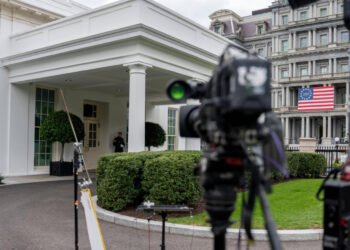
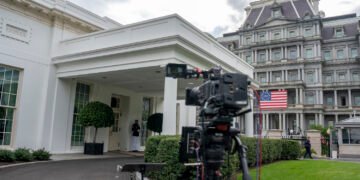
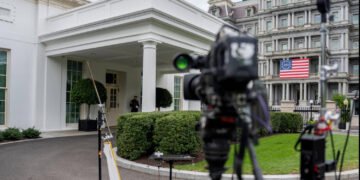
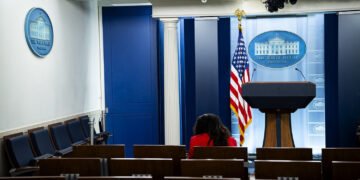
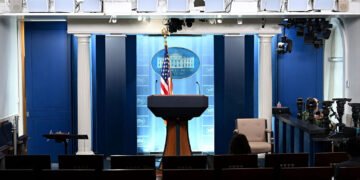
Viewers hoping to watch the summit live faced unusual obstacles. Trump imposed a media ban last week, barring CNN, MSNBC and Politico from White House grounds. All three outlets sued to regain access. In solidarity, other television networks suspended their video pool coverage of the president.
The result was significant confusion in the hours before Xi arrived. ABC News had been scheduled to provide the pooled video feed but declined after a White House official approached a network journalist asking where the camera was, with no clarity on when the banned outlets would regain access. A federal judge ruled overnight that their access must be restored. However, CNN and MSNBC journalists were still barred from entering the White House until roughly two hours after Xi arrived.
Trump responded on social media, claiming the two networks “refused to cover one of the Biggest and Most Beautiful Events to take place in many years.” In reality, journalists from both outlets were physically prevented from entering the grounds. Later, during a photo opportunity with Xi, Trump joked that China had the friendliest press corps in the world. A Reporters Without Borders survey ranked China 178th out of 180 countries for press freedom, placing it between North Korea and Iran.