English















































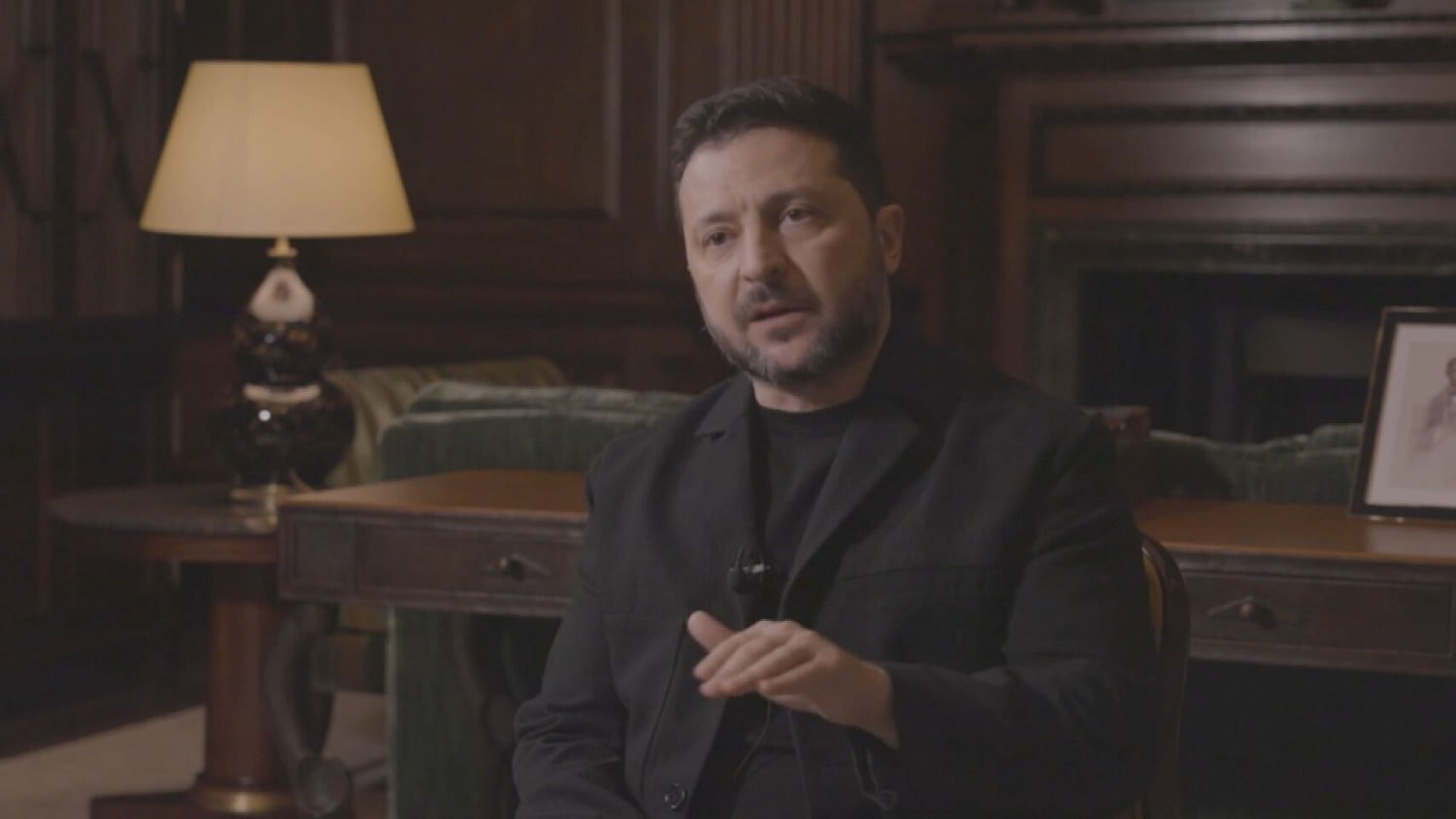
Ukraine resumed drone and missile strikes on Russian oil refineries overnight on October 15, 2026, as President Volodymyr Zelenskyy declared he is “done” with U.S. President Donald Trump’s calls for an energy ceasefire. NBC News correspondent Richard Engel reported on the latest developments from the ongoing conflict.
Zelenskyy Rejects Trump’s Energy Ceasefire Push
Zelenskyy’s statement marks a clear break from Trump’s recent diplomatic pressure. Trump had urged Ukraine to halt attacks on Russian energy infrastructure as part of broader ceasefire negotiations. However, Zelenskyy signaled he no longer intends to follow that guidance.
Stay connected to every major update — subscribe and follow us on the PhoenixQ website and across our social media platforms.
The Ukrainian president’s position reflects growing frustration between Kyiv and Washington. The two leaders have clashed repeatedly in recent weeks over the direction of the war and the terms of any potential peace deal. Zelenskyy has also previously criticized Trump over a reported deal involving Russian diesel.
Ukraine Resumes Strikes on Russian Oil Infrastructure
Ukraine’s overnight strikes targeted oil refineries inside Russian territory. The attacks represent a resumption of a strategy Ukraine has used throughout the war to weaken Russia’s energy revenues and fuel supply chains.
Striking Russian oil infrastructure has been a central part of Ukraine’s long-range military campaign. Russia relies heavily on oil exports to fund its war effort. Therefore, disrupting refinery capacity carries both military and economic significance for Kyiv.
The strikes came amid a broader escalation in drone activity on both sides of the conflict. Russia has continued launching large-scale drone and missile attacks against Ukrainian cities, including Kyiv. Meanwhile, Ukraine has expanded its own drone operations deeper into Russian territory.
Tensions Over Starlink and U.S. Support
The renewed strikes also come at a time of strained relations between Ukraine and key Western partners. Ukraine recently reported that new restrictions on Starlink satellite internet access disrupted military operations. Kyiv blamed Elon Musk for the outage, which occurred during an active Russian strike.
Access to reliable communications technology remains critical for Ukrainian forces on the front line. Any disruption to that access directly affects battlefield coordination. As a result, the Starlink controversy added further tension to Ukraine’s relationship with influential U.S. figures.
Trump, for his part, has suggested Ukraine needs new leadership following his public clash with Zelenskyy. The U.S. president’s comments have raised concerns among European allies about the long-term reliability of American support for Ukraine. Despite this, Zelenskyy has shown no sign of backing down from his military strategy.
Conflict Continues to Escalate
The war between Russia and Ukraine shows no clear sign of slowing. Both sides continue to trade deadly strikes across the front lines and beyond. Ukraine’s decision to resume attacks on Russian oil refineries signals that Kyiv intends to maintain military pressure regardless of diplomatic discussions.
Ukraine’s strikes on Russian energy infrastructure are likely to remain a flashpoint in negotiations. The gap between Zelenskyy’s position and Trump’s ceasefire proposals appears wider than ever. For now, Ukraine is pressing forward with its own wartime strategy on its own terms.