English




































Ontario’s Ford government has suspended OSAP eligibility for more than 500 private career colleges, triggering widespread concern across the sector after a potential Ontario Provincial Police criminal investigation into suspected student aid fraud.
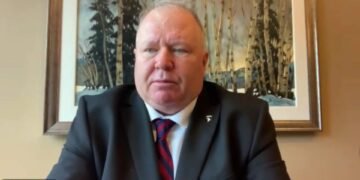
The province announced the sweeping pause on Tuesday. Minister of Colleges and Universities Nolan Quinn said the ministry identified several red flags involving six specific institutions. However, the government chose to extend the freeze across the entire private career college sector to protect the integrity of the OSAP system.
Stay connected to every major update — subscribe and follow us on the PhoenixQ website and across our social media platforms.
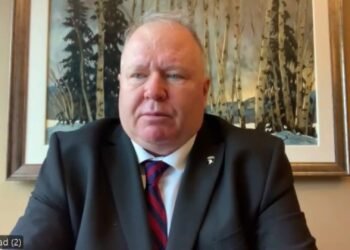
“There were numerous allegations that came forward, including applications concentrated in geographic locations, a high density in certain areas, as well as co-ownership between the institutions themselves and immigration firms,” Quinn said.
Hundreds of Thousands of Students Caught in the Middle
The freeze covers 500 institutions operating across 737 campuses province-wide. Among those affected is AAPS College, which runs campuses in Toronto and Mississauga and offers training in pharmaceutical, clinical research, food and nutrition, and healthcare fields.
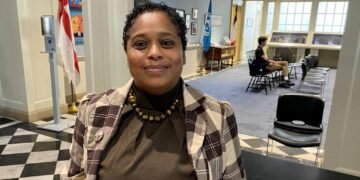
Shortly after the announcement, AAPS College Dean of Scientific Affairs Laleh Bighash received a ministry memo citing “fraudulent activities” as the reason for the pause. She said the memo offered little guidance on next steps for students or institutions.
“I would say anywhere between 75 to 80 per cent of our students use OSAP,” Bighash said. “These are students who otherwise wouldn’t be able to afford their education.”
Bighash said the most pressing concern is not future enrolment but current students who are already mid-program and relying on approved OSAP funds. “There are students who are currently in the college, half paid through the program, and they’ve already committed OSAP dollars and they don’t know where to go,” she said.
Industry Group Calls for Targeted Response
Career Colleges Ontario, the association representing hundreds of affected institutions, is urging the government to reinstate financial aid for students already approved and actively attending in-person classes. The association says it had been warning the government about potential OSAP misuse since 2023.
The group argues the government should target bad actors directly. Instead, it says, the blanket freeze is disrupting the education of students who followed all the rules.
Minister Quinn acknowledged the disruption to enrolled students. He said the government is exploring low-interest third-party loan options through financial institutions as a temporary alternative. “We will provide more information on these options as soon as we can,” Quinn said. He also confirmed that private colleges will be able to reapply for OSAP eligibility under stricter parameters.
Legitimate Colleges Fear Lasting Damage
Bighash said she supports action against colleges that abused the system. However, she fears that well-run institutions are being unfairly caught in the government’s broad response.
“I think it might have unintended consequences for legitimate students and solid, career-focused institutions that might not be able to survive,” she said.
She noted that AAPS College undergoes regular ministry audits, renews its registration annually, and maintains one of the lowest OSAP default rates among both public and private institutions in the province.
Bighash is calling on the government to adopt a risk-based approach. She also warned that the freeze creates a secondary problem during an already difficult economic period. Some AAPS students, she said, enrolled specifically to retrain after losing work due to the ongoing Canada-United States trade dispute.
“We have students who have been affected by tariffs and they come to us to get new skills and move on,” Bighash said. “So it makes it a double-edged sword. We’re trying to help the economy at the same time, and we really don’t know how we can focus on that rather than being in firefighting mode.”
Bighash said her college wants to be part of the solution. “We would like to be part of the conversation to see how they can put more safeguards in place to protect OSAP, to protect the students, and to protect our faculty and the employers,” she said.