English







































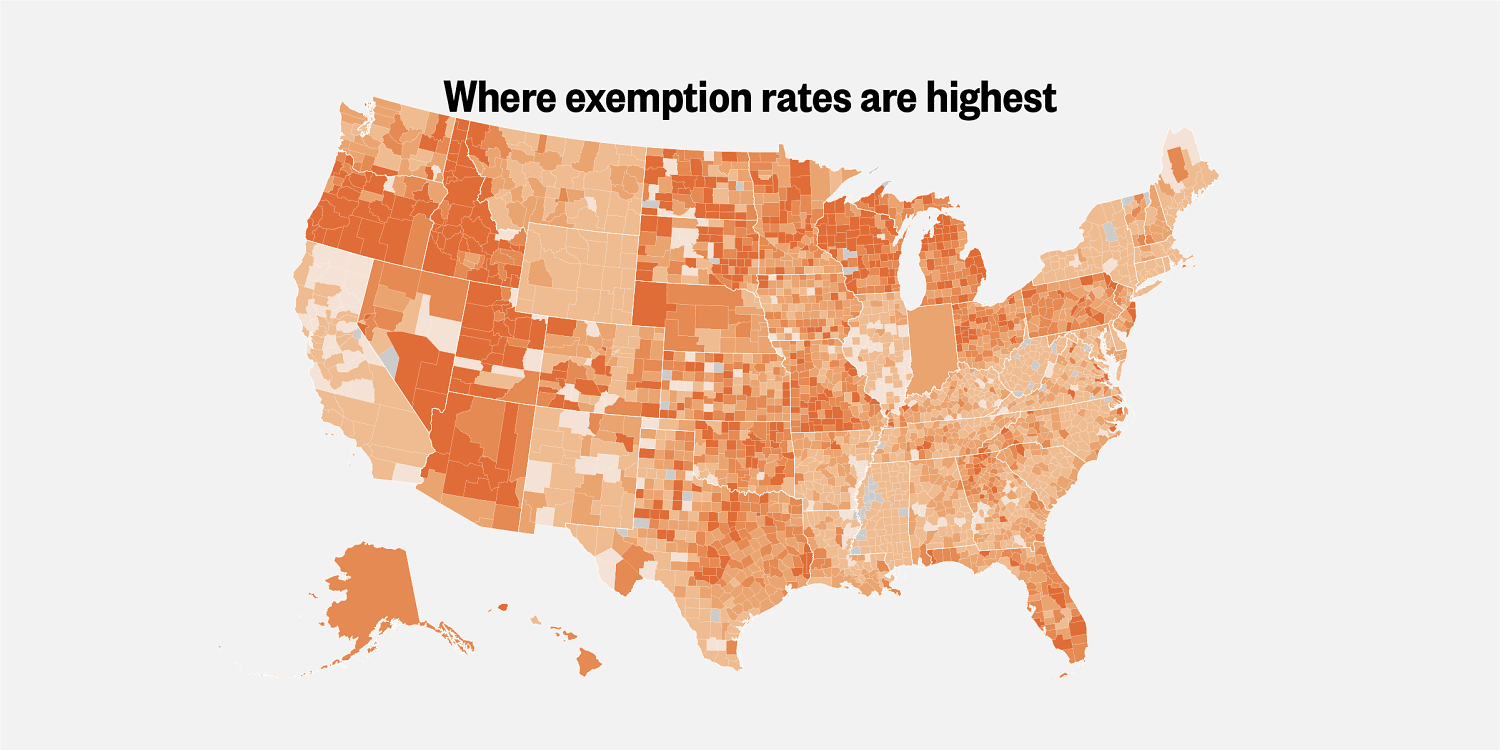
Childhood vaccination rates across the United States continue to decline, raising serious public health concerns as measles and other preventable diseases make a troubling comeback. New data tools now allow Americans to check immunization coverage levels in their own communities.
Measles Returns as Vaccine Coverage Falls
The United States built its measles-free status over decades of strong vaccination programs. However, that status now faces a genuine threat. As fewer children receive recommended vaccines, the risk of outbreaks grows significantly.
Stay connected to every major update — subscribe and follow us on the PhoenixQ website and across our social media platforms.
Measles is highly contagious. Even a small drop in community vaccination rates can create conditions for the virus to spread rapidly. Public health experts warn that the current trend is moving in the wrong direction.
Interactive Maps Show Local Vaccination Data
As part of an ongoing data investigation called The Vaccine Divide, new interactive maps give residents a way to explore childhood vaccination rates at the community level. The maps highlight where coverage remains strong and where gaps are widening.
The investigation focuses on how childhood vaccine defenses are weakening across different parts of the country. Therefore, the data is especially useful for parents, local health officials and policymakers trying to understand the situation in their area.
The Link Between Vaccination Rates and Disease Risk
The relationship between vaccination coverage and disease risk is direct. When vaccination rates fall, the likelihood of vaccine-preventable illnesses spreading increases. Measles is one of the most visible examples of this pattern.
In addition to measles, other preventable diseases could also resurge if immunization levels continue to drop. Public health officials stress that maintaining high vaccination rates is essential to protecting entire communities, not just individual children.
Why the Data Matters Now
The Vaccine Divide investigation reflects growing concern among health researchers and officials about the direction of childhood immunization in America. The data paints a clear picture of a system under pressure.
Meanwhile, misinformation about vaccines continues to influence some parents’ decisions. As a result, certain communities now fall well below the vaccination thresholds needed to prevent outbreaks. Experts say awareness of local data is a critical first step toward reversing the trend.
Finally, the availability of community-level vaccination maps gives the public a practical resource. Residents can now see exactly where their neighborhood stands and make more informed decisions about their children’s health.