English














































Major Ontario unions are demanding artificial intelligence protections in public sector contracts. These unions represent hundreds of thousands of workers across the province.
Meanwhile, employees are increasingly concerned about how Crown agencies plan to use AI technology. As a result, union leaders say AI protections have become a major issue in contract negotiations across Ontario.
Unions Push for AI Safeguards at the Bargaining Table
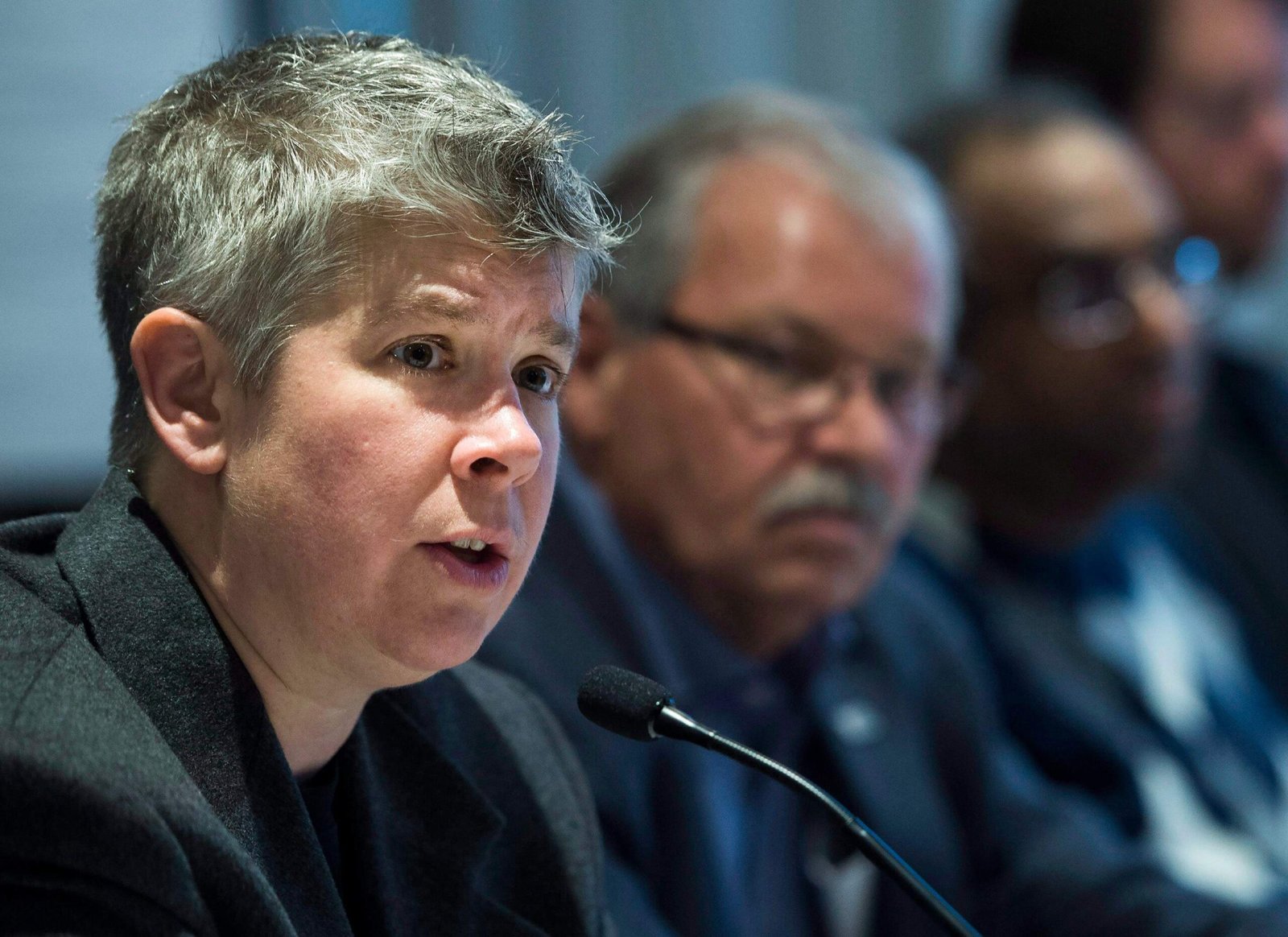
The Ontario Public Service Employees Union (OPSEU) represents more than 200,000 public sector workers. OPSEU President JP Hornick says the union is now developing bargaining guides on AI for almost every sector it represents.
Stay connected to every major update — subscribe and follow us on the PhoenixQ website and across our social media platforms.
“The implication of AI becomes more and more clear in almost every sector we represent,” Hornick said. He identified job losses, the replacement of job functions, and employer surveillance as the top concerns. “We don’t want to see AI rolled out without workers’ voices being present,” he added.
Meanwhile, the Canadian Union of Public Employees (CUPE) has also developed bargaining guidelines on AI. CUPE represents nearly 310,000 workers in Ontario. The union is directing local bargaining units to investigate how AI appears in their workplaces, identify potential risks, and review collective agreements for relevant language.
Among CUPE’s key demands, employers should not collect biometric data or use facial recognition, emotional recognition, or any tool designed to manipulate human behaviour. CUPE also wants guarantees that humans remain in control of AI systems. In addition, the union wants assurances that no employee will face decisions made entirely by AI. “Left unchecked, AI and other digital innovations can have harmful consequences for work quality and workers’ rights,” CUPE states on its website.
AI Negotiations Hit Roadblocks
Despite union efforts, AI protections have not always made it into agreements. In August, contract talks between OPSEU and the Ontario Hospital Association broke down and went to arbitration. The negotiations covered 14,000 hospital employees, and AI use in hospitals was a central issue.
OPSEU sought advance notice of hospitals’ anticipated use of AI. However, the arbitration board rejected the proposal. The board ruled that existing contract language already covered technological changes related to AI.
The board also said that requiring hospitals to give advance notice of anticipated AI use would be too burdensome. “The use of AI in high-tech equipment is ubiquitous and is often guarded as intellectual property by third parties,” the board stated. “It would be nearly impossible for hospitals to comply with notice requirements for the anticipated use of AI.”
Ford Government Defends Its Approach to AI
In late 2024, the Ford government introduced new directives governing how ministries and agencies use AI tools. Those directives apply to all public service workers. They require that AI use be transparent, accountable, and human rights affirming.
The Treasury Board Secretariat, which oversees labour relations between the government and the public service, says AI gives the Ontario Public Service tools to modernize and improve operations. A spokesperson said the government is “leveraging AI to drive innovation” while using it “safely and responsibly to safeguard the interest of the people and businesses of Ontario.”
However, the NDP warns that more than one million public sector jobs could be at risk if AI is fully implemented across the Ontario Public Service. NDP Labour Critic Jamie West told Global News the Ford government has not acted with urgency to protect workers. “Throwing unions and workers into chaos as they try to get a handle on this rapidly evolving technology is unacceptable,” West said.
West also said Premier Ford is focused on attracting data centre investment and “inviting American tech giants” into Ontario rather than addressing worker concerns. In response, a spokesperson for Treasury Board President Kinga Surma said issues raised in collective bargaining are matters for the parties to resolve through the negotiation process.