English
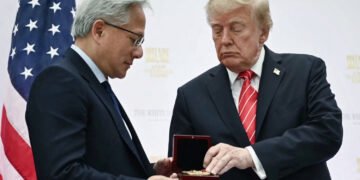



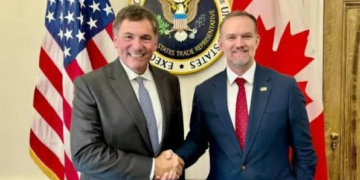


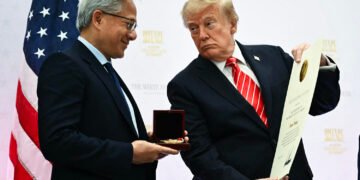



































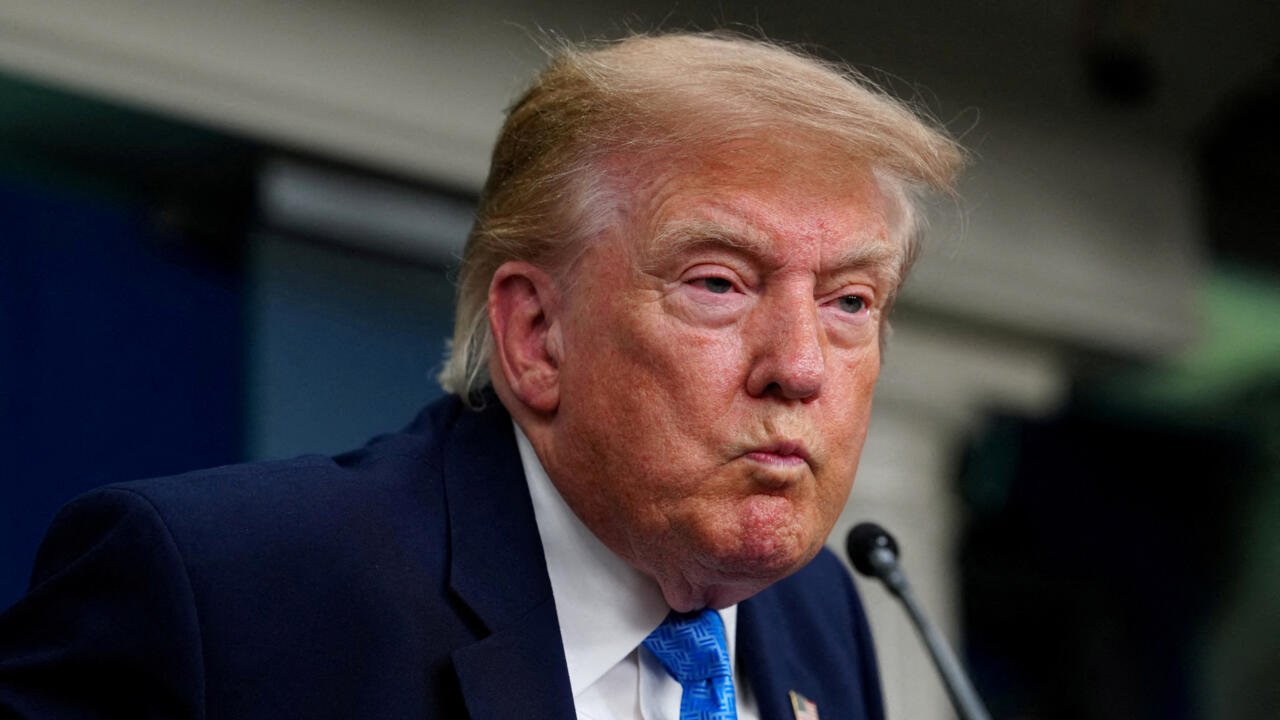
The United States has unveiled proposed tariffs targeting 14 economies, including the European Union and China, following a months-long government investigation into alleged excess manufacturing capacity. President Donald Trump announced the move as part of his broader effort to reshape Washington’s global trade relationships.
Who the Tariffs Target
The new levies cover some of America’s largest trading partners. The full list includes China, the EU, India, Bangladesh, Cambodia, Indonesia, Japan, South Korea, Malaysia, Singapore, Switzerland, Taiwan, Thailand and Vietnam. A senior administration official confirmed the details during a late-night call with reporters on Tuesday, ahead of the formal release of trade investigation reports by the US Trade Representative’s office.
Stay connected to every major update — subscribe and follow us on the PhoenixQ website and across our social media platforms.
China faces a proposed 20 percent tariff — the joint-highest rate among the economies targeted. In addition, the US Trade Representative’s office separately proposed tariffs on goods from Brazil, including aircraft, over alleged inaction on US trade concerns.
The official stressed that the tariffs remain at the proposal stage. No firm implementation timeline has been set, though the senior official indicated the earliest possible start date would be January.
Why the US Is Acting
The administration says the tariffs target excessive manufacturing output supported by government subsidies and other trade barriers. Officials argue these practices put US manufacturers at a competitive disadvantage. The investigation, launched by the US Trade Representative in March, examined whether foreign countries were taking actions considered “unreasonable or discriminatory” that harmed US commerce.
The duties also serve a financial purpose. The US Supreme Court ruled in February that Trump could not declare an economic emergency to bypass Congress and impose across-the-board tariffs. The new levies are partly designed to replace the revenue lost as a result of that ruling.
Trade lawyer Ryan Majerus told AFP he expected this probe to be among the most significant actions of the Trump administration. He warned that factories built with excess capacity tend to keep running even when demand falls, potentially flooding markets with cheap goods and hollowing out US manufacturing.
Inflation and Economic Concerns
The tariffs could add further pressure on US consumers already dealing with rising prices. US inflation reached 3.7 percent year-on-year in September, close to a three-year high. Analysts warn businesses may pass higher costs on to consumers. Affordability was a central issue in recent midterm elections, which saw Democrats sweep Republicans from power in both chambers of Congress.
Meanwhile, Federal Reserve policymakers say most of the price effects from Trump’s earlier tariffs have already moved through the economy. However, they caution that additional levies could push prices higher again.
How the New Tariffs Interact With Existing Ones
The new tariffs will not stack on top of existing sector-specific duties on goods such as automobiles and steel. Furthermore, for economies already facing tariffs related to forced labour — imposed in July on 60 countries — the higher of the two rates will apply rather than both combined.
The senior US official expressed optimism about the diplomatic outlook. “We don’t expect this to create tension or rancor” at the upcoming G20 summit in Miami in December, the official said, adding that new trade agreements could even be signed at the event.