English
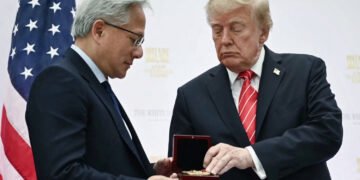





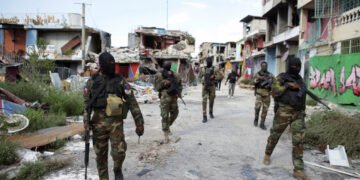



































A Kenyan-led security mission in Haiti has begun deploying Salvadoran-trained personnel to help combat the gangs that have controlled large parts of the country for the past six years. Many Haitians are welcoming the approach, which draws heavily on the methods of Salvadoran President Nayib Bukele — a leader known for his aggressive, zero-tolerance crackdown on organized crime.
The Bukele Method Comes to Haiti
Bukele built his reputation by dismantling powerful drug gangs in El Salvador. However, his tactics have drawn serious criticism from human rights groups. His government arrested thousands of people without due process and suspended key constitutional protections. Despite this, his approach produced a dramatic drop in gang violence at home, and many Haitians now see it as a potential solution to their own crisis.
Stay connected to every major update — subscribe and follow us on the PhoenixQ website and across our social media platforms.
Haiti is the poorest nation in the Americas. Gang violence has devastated communities, displaced hundreds of thousands of people, and paralyzed the government. As a result, international pressure to find a workable security solution has grown significantly in recent years.
A Long History of International Intervention
The international community has attempted to stabilize Haiti many times over the past several decades. Earlier missions had mixed results at best. Critics argue that outside interventions often fail to address the root causes of instability. Meanwhile, gang control over key neighborhoods and supply routes has only deepened.
The current effort represents the latest in a long line of attempts to restore law and order. Whether this mission will succeed where others have failed remains an open question. Supporters of the Bukele-inspired model argue that firm, decisive action is the only language gangs understand. Opponents warn that abandoning legal safeguards creates new dangers for ordinary citizens.
Bukele’s Political Ambitions Raise Further Questions
Bukele, who calls himself the “world’s coolest dictator,” documents his political activities extensively on social media. He has also moved to extend his own hold on power in El Salvador. He lifted presidential term limits and recently announced he would seek a third term in office. His close relationship with the Trump administration has drawn additional attention to his political model.
Furthermore, Mexico has also adopted a more confrontational stance toward its own criminal organizations. This broader regional shift raises an important question. How can governments effectively break gang power without dismantling the legal rights that protect their citizens?
Security analysts say the core challenge is ensuring that the state holds a clear monopoly on authority. At the same time, they stress that sustainable security cannot come at the cost of civil liberties. For Haiti, finding that balance may prove to be the hardest part of all. The coming months will test whether the iron-fist model can deliver lasting results in one of the world’s most fragile states.