English


































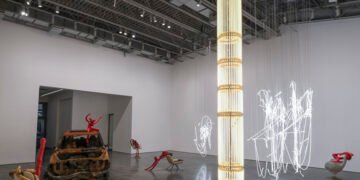








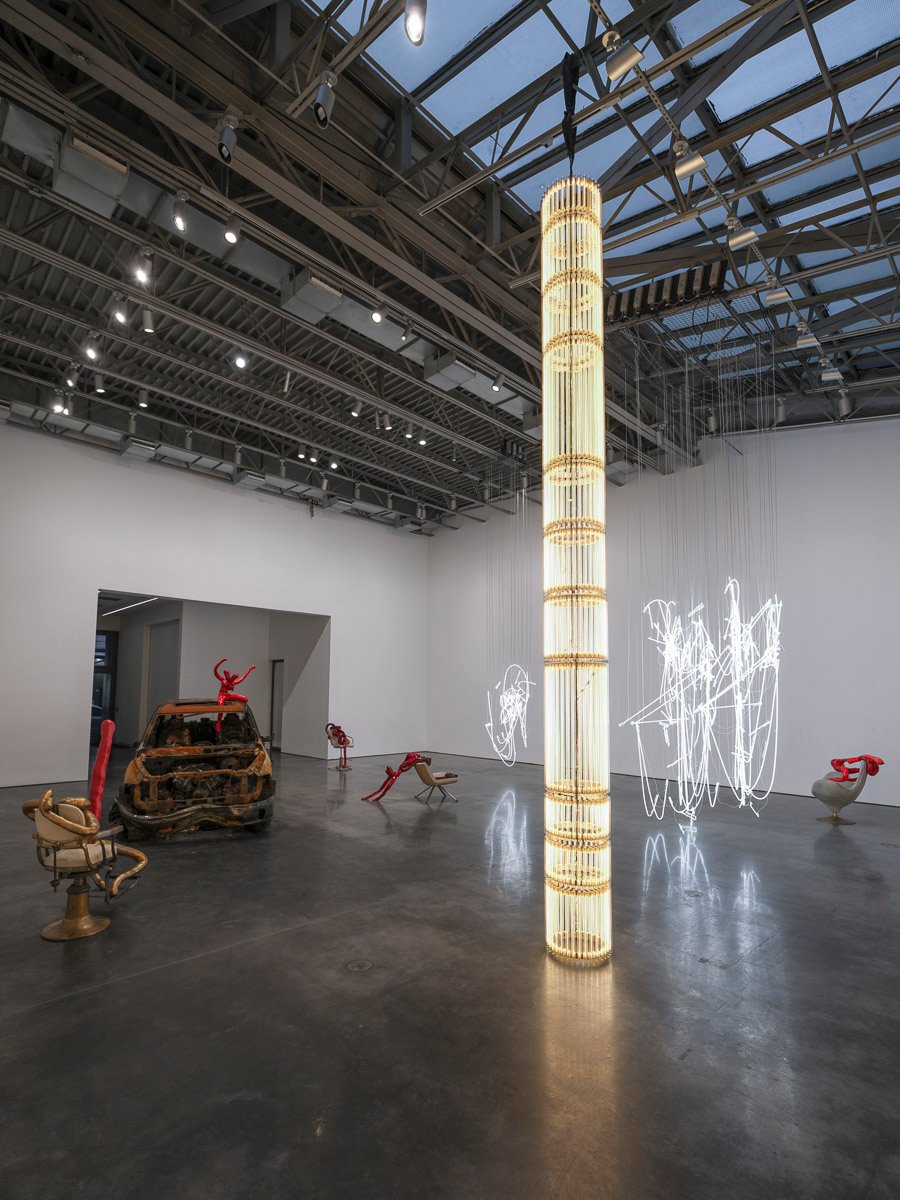
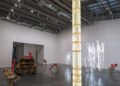
Two British artists with strikingly different styles are joining forces this fall for a joint exhibition at Gladstone Gallery in New York. Sarah Lucas and Cerith Wyn Evans, friends for over three decades, present their new show together, titled “Je Pense.” The exhibition marks a long-awaited collaboration between two figures who have shaped contemporary British art in very different ways.
A Friendship Rooted in the Early London Art Scene
Lucas and Evans first crossed paths in the early 1990s, during a period both describe as creatively charged. Evans recalls hearing about Lucas through a mutual friend, painter Angus Cook, before they ever formally met. He later joked that they should have been talking about Lucas all along, calling her a much better artist than those they were already discussing.
Stay connected to every major update — subscribe and follow us on the PhoenixQ website and across our social media platforms.
Lucas remembers meeting Cook at a party that gallerist Matthew Marks hosted for Gary Hume, around 1990. She describes that period as a time when something was burgeoning and many of the people she met then became lifelong friends. Evans simply calls it a milieu — a moment in time that brought a generation of artists together.
A Show Years in the Making
Despite their long friendship, the idea of showing together remained more of a running joke than a firm plan. Lucas describes it as a mythic show — something they always imagined doing someday without any real pressure to make it happen. Eventually, curator Nancy Spector extended the invitation and brought the project to life. Evans credits Spector as the driving force, calling her the Wizard of Oz behind the whole exhibition.
The two artists did not plan the show in a structured or strategic way. Instead, they brought their individual works together and allowed them to interact. Evans describes their approach as organic, natural and spiritual. Lucas agrees, suggesting that their shared lack of strategic thinking is precisely why they get along so well.
A Burnt-Out Car at the Centre of It All
One of the most striking elements of “Je Pense” is a burnt-out car that Lucas purchased at auction. Evans describes it as the fulcrum of the entire exhibition. For him, it functions like a black hole at the centre of the show — brutal, absorbing and impossible to ignore. He calls it a quotidian tragedy and a very pure readymade. Lucas, meanwhile, jokes that she has no idea who buys such things, before adding: apart from them.
When asked about advice for younger artists, Lucas offers one clear thought. She suggests that younger artists should take part in more group shows rather than chasing solo spotlights too early. Beyond that, both artists resist the idea of giving formal guidance. Neither sees themselves as strategic, and both seem to view that quality as a strength rather than a limitation. Evans adds that he finds it sad when artists measure themselves against others by fame, age or wealth. For him, creativity itself matters far more than any price tag attached to art.