English













































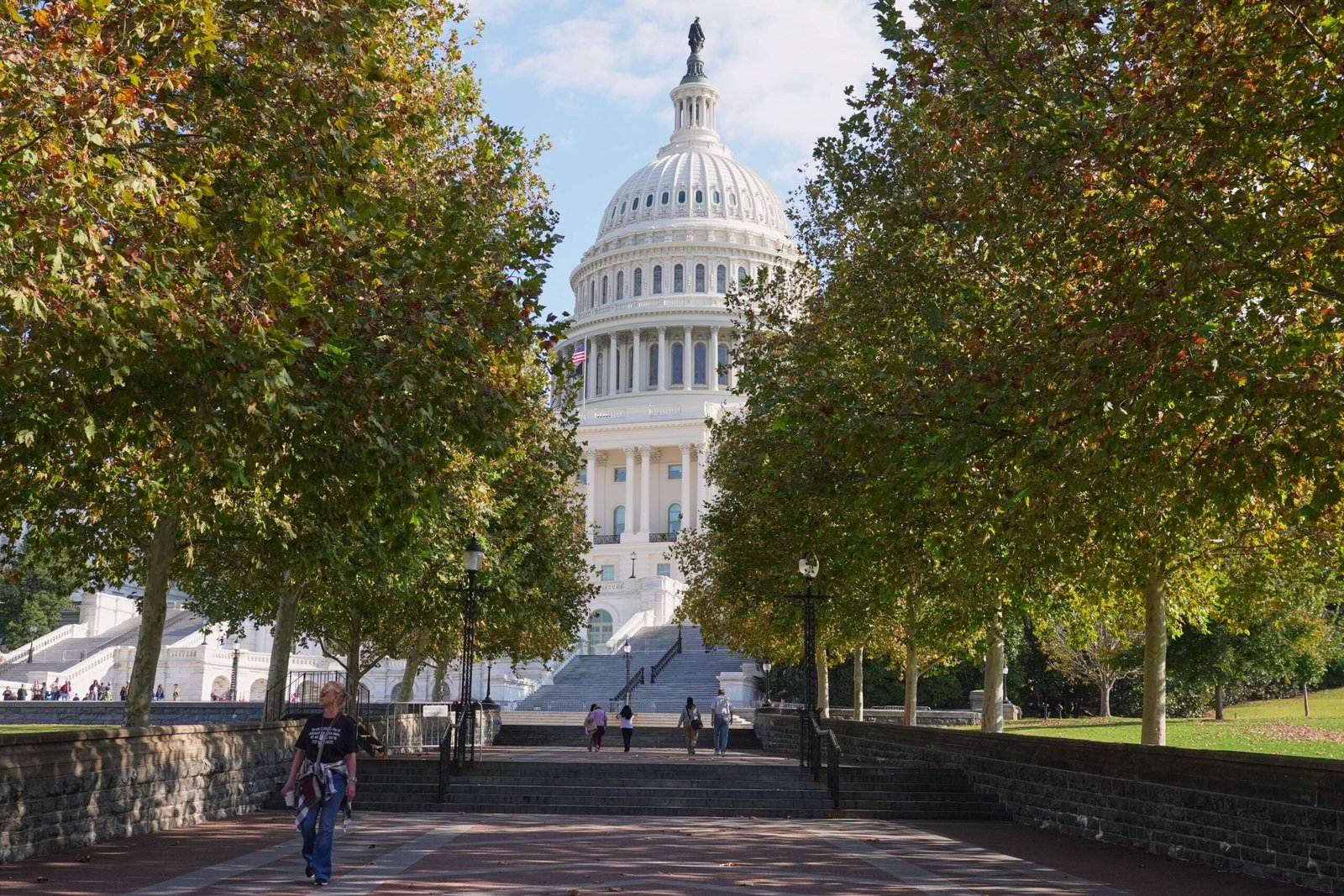
House Democrats have secured their strongest general election result in more than three decades, winning at least 258 seats in a sweeping victory not seen since Bill Clinton’s 1992 presidential win. The result hands Democrats control of both chambers of Congress while a Republican president remains in the White House.
Democrats Reach 258 Seats in Historic Sweep
The 258-seat total was confirmed after Democrat Chuck Hubbard defeated Republican Rep. Virginia Foxx in North Carolina. Democrats have so far gained 44 House seats, surpassing the 40 they picked up during Donald Trump’s first midterm in 2018. Four races remain unresolved — one each in Minnesota and Tennessee, and two in Louisiana heading to a December runoff.
Stay connected to every major update — subscribe and follow us on the PhoenixQ website and across our social media platforms.
Republicans will hold at least 173 seats in the minority. The result rivals the Democratic majority following Barack Obama’s 2008 election, when the party won 257 seats. However, it falls short of the Franklin D. Roosevelt era, when House Democratic majorities exceeded 300.
The Senate also shifted to Democratic control, with the party winning a 56-seat majority in the 100-member chamber. Together, the results set up a divided government with Democrats controlling Congress and Trump in the White House.
A Mandate to Deliver — and Investigate
Democrats say voters sent a clear message. Anger over high living costs, the Iran war, and concerns about corruption drove the results across Republican strongholds, the Midwest, and the East Coast.
Democratic Rep. Jason Crow of Colorado put it bluntly. “Like, hell yeah, we should feel pressure,” said Crow, a former Army Ranger. “There are people dying in this country and people losing their healthcare, losing their livelihoods, losing their farms, being terrorized from ICE. If you don’t feel a sense of urgency and pressure in this job, then you don’t belong under this Capitol dome.”
Democrats plan a 100-day agenda focused on affordability. That includes swift votes to reverse Republican Medicaid cuts and restore Affordable Care Act tax credits that Republicans allowed to expire. Rep. Tom Suozzi, a centrist Democrat from New York, said the caucus should spend 75 percent of its time on affordability and 25 percent on accountability. “Everything should be tied back to the people,” he said.
Meanwhile, Democrats have vowed to use their subpoena powers to investigate the Trump administration. Plans include probing how Trump and his family have grown wealthier since he returned to office. Democratic leader Hakeem Jeffries of New York has not ruled out pursuing a third impeachment. The White House has warned that such investigations may amount to what it called “blatant criminality.”
Rep. Alexandria Ocasio-Cortez called the result “a mandate for change.” “This is a historic moment for our country,” she said at the Capitol.
New Leadership, Wider Margins
Jeffries is poised to become the first Black speaker of the House if colleagues elect him on January 3, 2027. Unlike outgoing Speaker Mike Johnson, who struggled to govern with a single-digit majority, Jeffries will be able to lose dozens of Democratic votes and still reach the 218 needed for passage.
Republicans, meanwhile, face one of their lowest seat tallies in decades. Rep. Jim Jordan of Ohio, elected as Republican minority leader, vowed to fight back. “Over the next two years, House Republicans will fight for American families,” Jordan said.