English
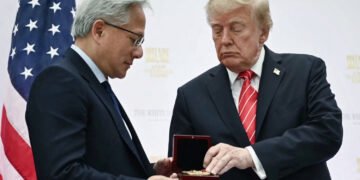








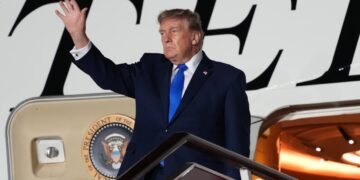














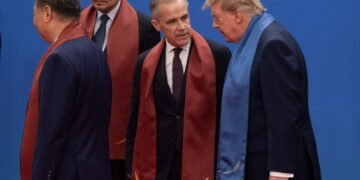


















Chinese President Xi Jinping, U.S. President Donald Trump and Russian President Vladimir Putin held their first-ever trilateral summit in Shenzhen on Wednesday, meeting on the sidelines of the APEC forum in a gathering that analysts say carries significant symbolic weight.
Historic Meeting in Shenzhen
The three-way talks brought together the leaders of the world’s most powerful nations for the first time. Analysts widely expect the summit to deliver more symbolism than concrete results. However, critics warn the meeting could accelerate a division of the world into competing spheres of influence.
Stay connected to every major update — subscribe and follow us on the PhoenixQ website and across our social media platforms.
The agenda covers several major global issues. Topics expected to come up include the war in Ukraine, the conflict in Iran, nuclear disarmament and the governance of artificial intelligence. Each issue carries enormous geopolitical weight, making the summit one of the most closely watched diplomatic events in recent years.
Trump and Xi Hold Separate Bilateral Talks
Alongside the three-way summit, Trump and Xi also held separate one-on-one talks. Those bilateral discussions focused specifically on trade and technology, two areas where the United States and China remain deeply at odds.
The APEC forum in Shenzhen provided the backdrop for the meetings. Hosting the summit in China gives Xi a degree of home advantage in shaping the tone and optics of the talks. Meanwhile, both Trump and Putin’s attendance signals a willingness from all three sides to engage directly at the highest level.
Concerns Over Global Influence
Not everyone views the summit positively. Critics argue that a close alignment between Washington, Moscow and Beijing could come at the expense of smaller nations and existing international institutions. They fear the three powers may use back-channel agreements to divide global influence among themselves.
Analysts, however, caution against reading too much into a single meeting. The structural differences between the three governments remain vast. Therefore, any agreements reached are likely to be broad in nature rather than specific or binding.
The Shenzhen trilateral summit still marks a notable moment in modern diplomacy. Whether it leads to lasting cooperation or simply reinforces existing tensions remains to be seen. The international community will watch closely for any joint statements or policy signals that emerge from the talks.