English








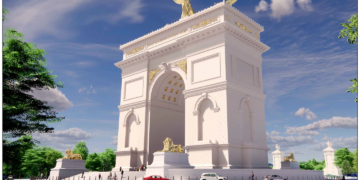
































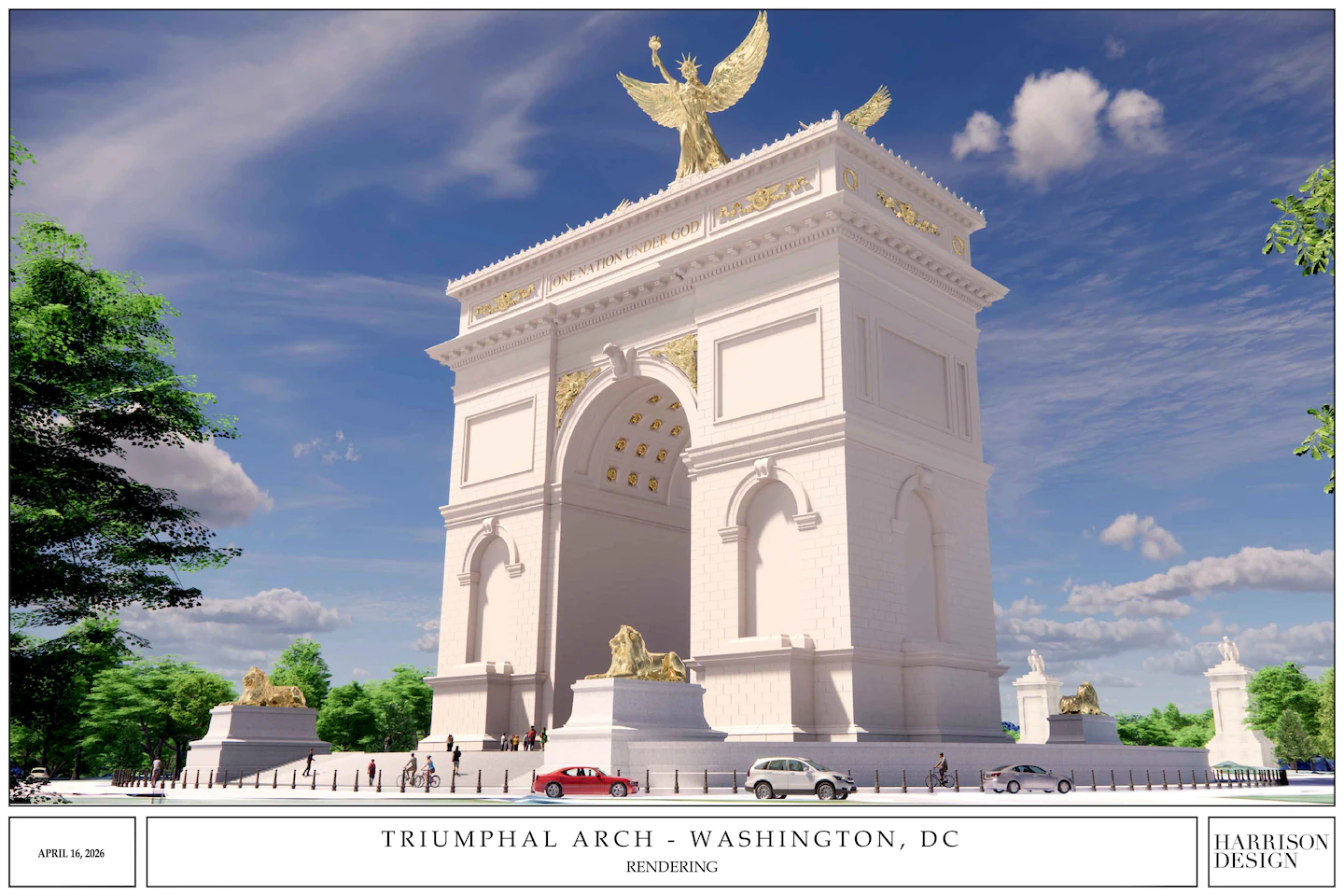
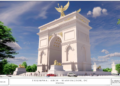
US President Donald Trump is pushing forward with plans to build a 250-foot Triumphal Arch in Washington, D.C., as part of his broader effort to reshape the nation’s capital since returning to power. Trump says the monument will honor the 250th anniversary of the United States. However, critics argue the project serves little purpose beyond promoting his own image.
A Monument With a Disputed Purpose
Trump has already made his mark on several Washington landmarks. His involvement has touched the Kennedy Center, the White House ballroom, and the Lincoln Memorial Reflecting Pool. Now, the proposed Triumphal Arch stands as his most ambitious project yet.
Stay connected to every major update — subscribe and follow us on the PhoenixQ website and across our social media platforms.
The arch would rise 79 metres into the Washington skyline. Trump frames it as a patriotic tribute to American history. Opponents, however, see it differently. Many critics describe the structure as a vanity monument designed to feed a cult of personality rather than celebrate the nation.
Bypassing Congress
A project of this scale would normally require congressional approval. Despite that, Trump appears determined to move ahead without going through lawmakers. This approach has drawn sharp criticism from those who see it as an attempt to sidestep democratic oversight.
The proposal is scheduled to go before a federal commission for a final review on November 5. That hearing will be a key moment for the project’s future. Supporters and opponents alike are watching the outcome closely.
Broader Concerns About Washington’s Transformation
Trump’s push to leave a physical legacy in Washington reflects a wider pattern since his return to office. Critics worry that his administration is prioritizing personal branding over responsible use of public resources. Meanwhile, supporters argue the projects bring renewed attention and investment to the capital.
The Triumphal Arch plan has become a flashpoint in a larger debate. At its center is the question of who gets to shape the symbols of American identity. As the November 5 federal commission review approaches, that debate is unlikely to quiet down.