English









































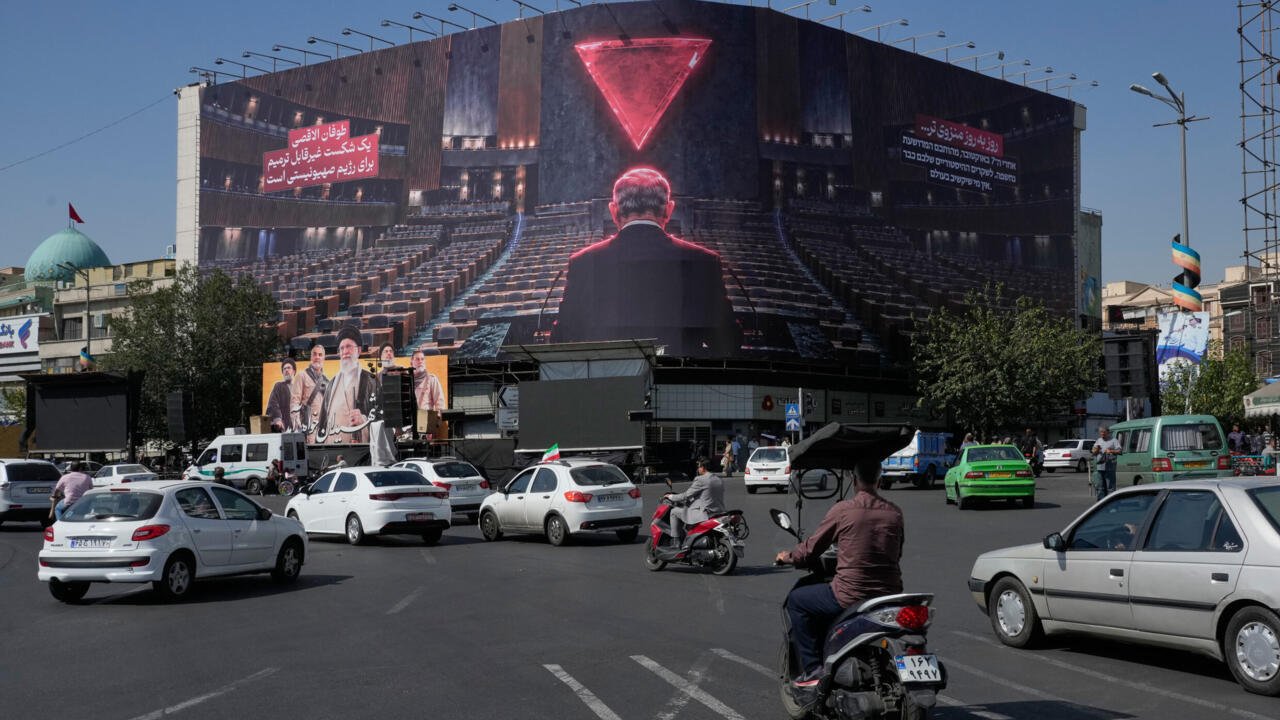
Iran’s Supreme Leader Mojtaba Khamenei has issued a stark warning to the United States and Israel, threatening an immediate and unrestricted military response to any new attacks. Khamenei delivered the warning during a meeting with senior military commanders, as tensions rise over the possibility of renewed strikes following elections in both countries.
Khamenei Meets Military Leadership
The meeting marked the first reported encounter between Khamenei and Iran’s top military brass. Attendees included armed forces chief of staff Ali Abdollahi, army chief Amir Hatami, and Revolutionary Guards commander Ahmad Vahidi. Khamenei has not appeared publicly since taking power in March, following the killing of his father, Ayatollah Ali Khamenei, in US-Israeli strikes.
Stay connected to every major update — subscribe and follow us on the PhoenixQ website and across our social media platforms.
During the meeting, Khamenei ordered commanders to update Iran’s target list to include “all types of tangible and intangible assets belonging to the American-Zionist enemy.” He also stated that any threat must be met with “an immediate, impactful and geographically unrestricted response.”
Elections Shape the Conflict’s Direction
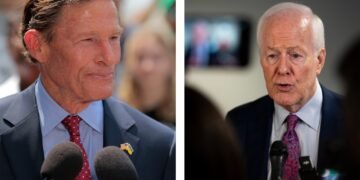
US President Donald Trump has warned of fresh military action after American midterm elections, scheduled for early next week. Last weekend, Trump said he was weighing whether to “finish them off.” Meanwhile, Israeli Prime Minister Benjamin Netanyahu, following elections in Israel on Tuesday, described a “historic, one-time opportunity” to topple the Iranian government.
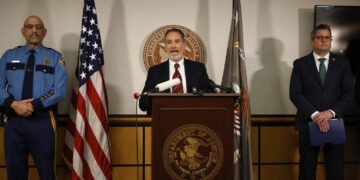
However, US Secretary of State Marco Rubio said at a G20 press conference in Atlanta on Saturday that Trump had not yet made a decision. “We can achieve military objectives if we seek to. He hasn’t made a decision,” Rubio told reporters. Israel’s vote left Netanyahu’s political camp with the most parliamentary seats but short of a majority, leaving the next government’s composition unclear.
Diplomacy Continues Amid Rising Tensions
Despite the warnings, diplomatic efforts are ongoing. Qatari mediators arrived in Tehran on Friday, and US Vice President JD Vance sent a letter to Iran’s security chief Mohsen Rezaei at Trump’s direction, according to The Wall Street Journal. The letter aimed to revive negotiations and prevent further strikes.
Iranian Foreign Minister Abbas Araghchi confirmed Iran received the letter. He called the American effort to open dialogue “a positive step.” Nevertheless, Araghchi stated on Saturday that “currently, there are no plans for meetings with American officials.” Qatar and Pakistan continue to mediate between the two sides, though talks have not yet produced a lasting agreement.
War’s Impact on Iranians and Global Energy
The conflict began on February 28 with US-Israeli strikes on Iran. Iran responded quickly with attacks on American assets across the region. Since then, Tehran has restricted shipping through the Strait of Hormuz, which normally carries around one-fifth of global oil consumption. The resulting spike in energy prices has made the war unpopular among American voters ahead of Tuesday’s midterms.
Inside Iran, public reactions vary. A Tehran housewife named Fariba told AFP that ordinary Iranians “have been left in a state of limbo for the past year.” In contrast, a salesman named Ebrahim said simply, “We do not fear another war. We have been at war for 48 years now.”