English









































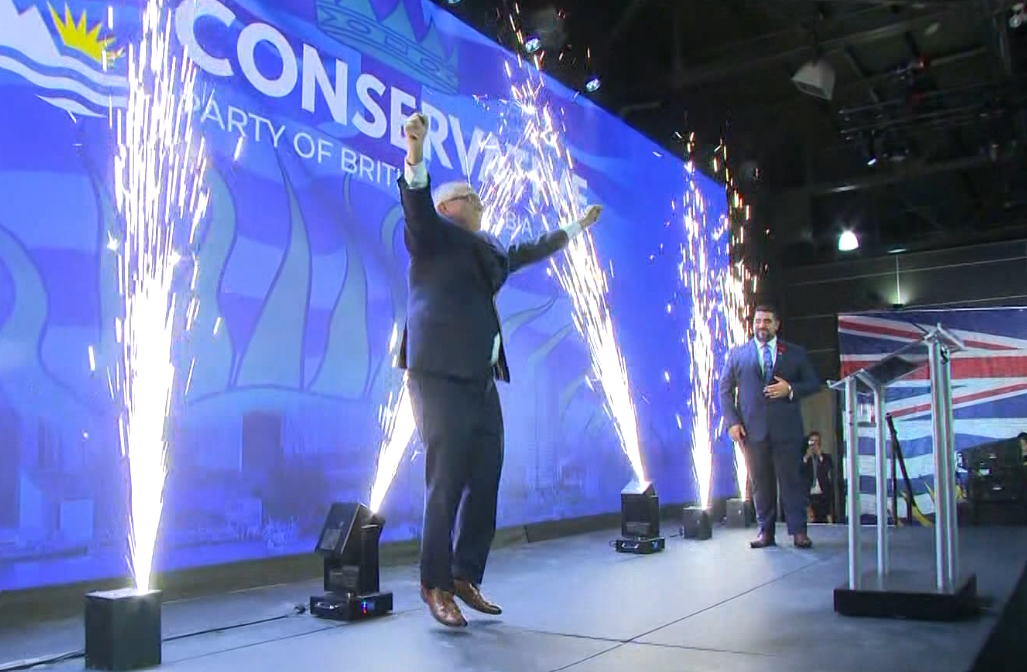
British Columbia’s 2026 provincial election has set a troubling new record. For the first time, fewer than half of eligible voters cast a ballot, marking the lowest turnout in the province’s modern electoral history.
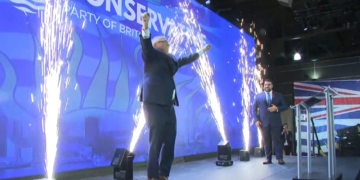
According to Elections BC, preliminary figures show voter participation at just 48 per cent. That represents a drop of roughly 10 percentage points compared to the 2024 provincial election. Lorne Doerkson won the election and became premier on October 24, 2026.
Stay connected to every major update — subscribe and follow us on the PhoenixQ website and across our social media platforms.
NDP Suffers Sharp Drop in Support
The NDP took the hardest hit in raw vote numbers. The party received more than 270,000 fewer votes than it did in 2024. By contrast, the Conservatives saw a much smaller decline, losing approximately 49,000 votes compared to their previous total.
Stewart Prest, a political science lecturer at the University of British Columbia, says the numbers point to a campaign that failed to energize voters. He argues the result falls squarely on the outgoing government’s shoulders.
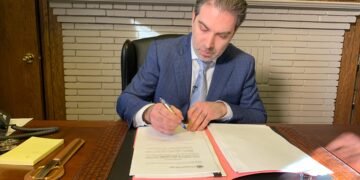
“This is Mr. Eby’s low-turnout election to own, and this is going to be part of his legacy,” Prest said.
Early Election Call Fuelled Voter Frustration
Prest says the NDP’s decision to call an election just two years after winning a majority damaged the party’s standing with its own supporters. Many voters saw the early vote as politically opportunistic. Some questioned why they were returning to the polls before the government had delivered on key promises.
The campaign itself also failed to offer a compelling positive vision, Prest says. Issues such as housing affordability and job creation were not addressed in ways that motivated previous NDP voters to turn out. As a result, a significant portion of the party’s base simply stayed home.
Meanwhile, the Conservatives benefited from voters who were frustrated with the NDP’s record and eager for a change in government. For some of those voters, the early election call reinforced their dissatisfaction. It gave them a clear opportunity to send a message to the governing party.
Questions Remain About Voter Engagement
The historic low turnout in B.C.’s 2026 election raises broader questions about political participation. Prest says voters are more likely to engage when they believe their vote will make a difference. Delivering on core issues, particularly housing affordability and jobs, plays a central role in building that belief.
With participation falling below 50 per cent for the first time, political parties across the province now face a serious challenge. Reconnecting with voters who no longer feel motivated to show up will be a defining task in the years ahead.