English















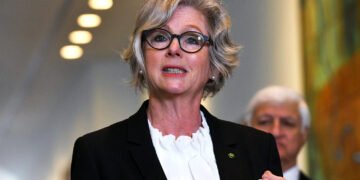


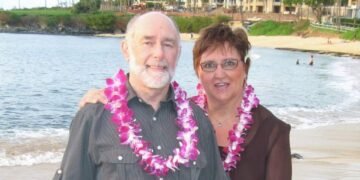

















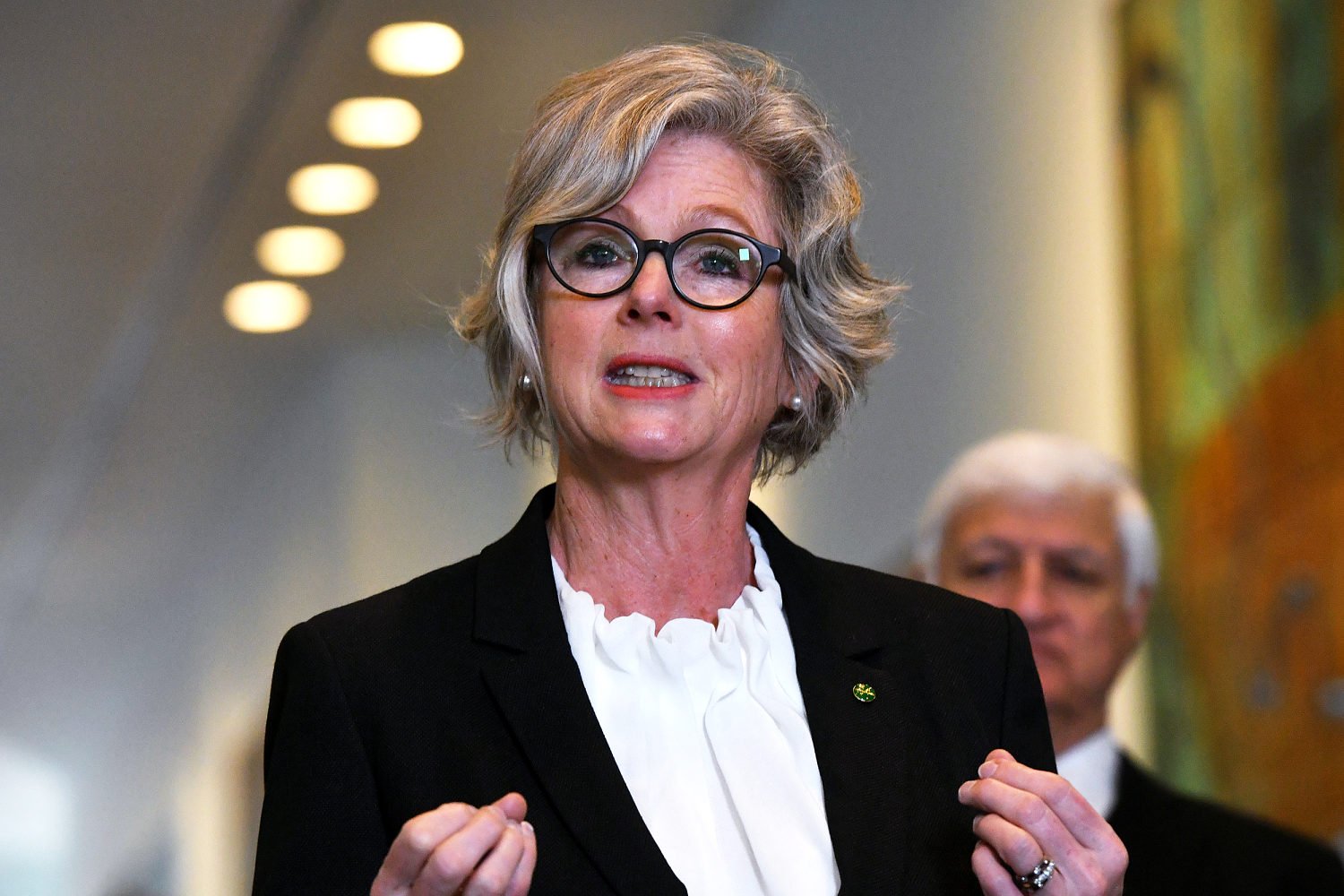
An Australian federal lawmaker lost her leg after a man deliberately drove a car into her outside her electorate office near Wangaratta on Monday. The attack on Helen Haines, an independent member of parliament, shocked the country and raised urgent questions about the safety of politicians in public life. Haines, who represents a rural Victorian electorate, was seriously injured in what police treated as a deliberate act of violence.
A Rare Act of Political Violence in Australia
Political violence is extremely rare in Australia. Lawmakers regularly meet constituents in public with little or no security, and that openness is widely seen as a democratic strength. Josh Roose, an associate professor of politics at Deakin University in Melbourne, described it as “an Australian tradition to have a chat to a politician that you bump into at the shops.”
Stay connected to every major update — subscribe and follow us on the PhoenixQ website and across our social media platforms.
However, experts and officials warn that threats against politicians are rising sharply. The Australian Federal Police recorded 1,067 incidents of threats, harassment, nuisance or offensive behaviour against senior officeholders, parliamentarians and protected locations in the 2025–26 financial year. That figure represents a 12% increase over the previous year and is double the number recorded five years earlier.
A 2023 study of Victoria state parliamentarians found that 82% reported harassment and 85% reported threats of harm. Josh Holloway, a senior lecturer in government at Flinders University in Adelaide, noted that female politicians face abuse at higher rates. He added that federal lawmakers, particularly those in rural areas, typically operate from “shopfront-style offices” and hold open community meetings without security.
Holloway acknowledged that these practices may now face scrutiny. Nevertheless, he cautioned that “reducing public access to their representatives can come with significant democratic cost.”
Bystanders Helped Detain the Attacker
Local barber Ricky Jefferies was among those who rushed to help after the attack. He ran from his nearby shop when he heard the impact. “I heard a loud bang, with no brakes. It was crazy,” Jefferies told reporters. “I just ran out the front to see what was happening.”
Jefferies removed a knife from the suspect’s pocket and pulled him from the vehicle. He said many others also ran to assist. Prime Minister Anthony Albanese later spoke with Jefferies by phone and praised his actions as “a great example of the Australian spirit.”
Haines’s family released a statement expressing gratitude for the “swift assistance of bystanders” as well as first responders. Haines is a mother and grandmother who spent three decades working in rural health as a nurse and midwife. She also holds a doctorate in childbirth. She first won election to parliament in 2019 and was re-elected in both 2022 and 2025.
Rising Extremism and a Broader Democratic Challenge
Albanese addressed the attack on Australia’s Today show on Tuesday. He called on everyone to “turn the temperature down.” He added: “We can disagree with each other, but do it in a respectful way.” He described Haines as someone always “characterized by the respect that she showed to others right across the political spectrum.”
Experts say the rise in political threats in Australia mirrors trends seen in the United States and other liberal democracies. Roose noted that “Australia always echoes what we’re seeing internationally, but sometimes slightly behind.” He said that since the Covid-19 pandemic, a “level of extremist discourse that is unparalleled in Australian history” has emerged, strongly influenced by political developments in the US.
Australia, and Victoria in particular, endured some of the world’s strictest pandemic lockdowns. Roose said those restrictions left many residents feeling “imprisoned, but also disempowered.” Combined with the current high cost of housing, fuel and other essentials, that resentment has contributed to a “deep hostility” toward government.
In rural areas especially, Roose said, politics have become “highly inflammatory” because of the online environment and the economic hardship affecting many communities. He pointed to a striking irony in the Wangaratta attack. Haines is not a polarizing figure. She grew up in the region and has spent most of her life there. “It indicates, I suppose, the challenge facing democracies around the world,” Roose said.