English









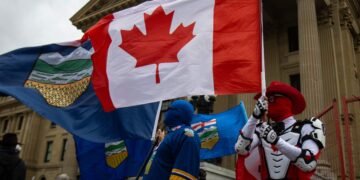
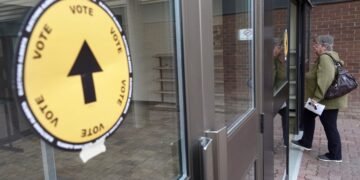


















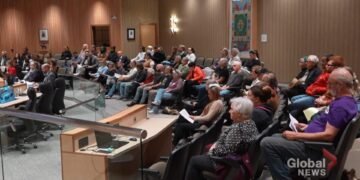




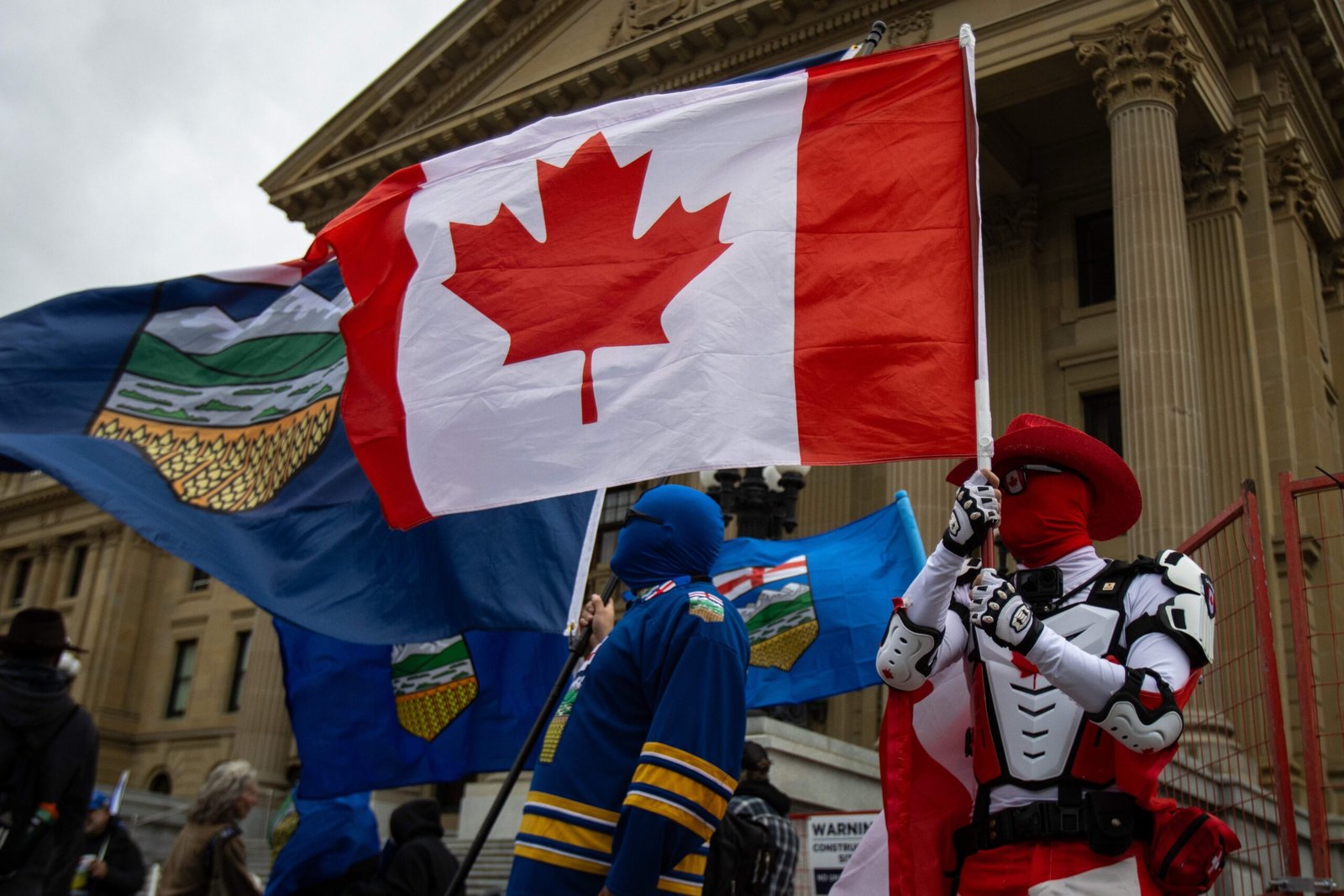
Alberta voters have delivered a clear verdict against pursuing independence from Canada. Results released by Elections Alberta on Monday night showed approximately 76 percent of voters chose to remain in Canada, rejecting a move toward a formal binding referendum on separation.
By 1 a.m. Mountain Time, more than 1.3 million votes had been counted. Of those, 1,005,641 Albertans voted to remain in Canada. Meanwhile, 310,672 voted to begin the legal process toward a future binding referendum on leaving Confederation. Officials are required by law to count all ballots by hand within 48 hours, with the separation question counted first.
Stay connected to every major update — subscribe and follow us on the PhoenixQ website and across our social media platforms.
Delayed Results and High Voter Turnout
Early results were originally scheduled for release at 8 p.m. Mountain Time. However, several polling stations opened late on Monday, pushing the timeline back by more than three hours. Elections Alberta hired over 48,000 workers to count ballots around the clock.
Voter interest in the referendum ran high well before Monday’s official voting day. More than 1.35 million Albertans cast ballots through advance polls and mail-in voting combined. That figure represents a significant jump from the roughly 810,000 who used those methods during the 2023 provincial election. Mail-in ballot use alone increased tenfold, with Elections Alberta receiving 519,082 special ballots before the cut-off date.
The referendum posed ten government-initiated questions in total. Nine questions addressed immigration and constitutional matters. The tenth question — on separation — drew the most public and political attention. Premier Danielle Smith added that question in May, after a Court of King’s Bench judge struck down a separatist petition. The court ruled the provincial government had a duty to consult First Nations before the group Stay Free Alberta could collect signatures. Smith argued the referendum question would not directly trigger separation and therefore the ruling did not apply.
Months of Polling Pointed to This Outcome
The result aligns closely with polling trends throughout 2026. Since the start of the year, surveys consistently showed around 70 percent of Albertans preferred to remain part of Canada. An Ipsos poll conducted in January found roughly three in ten residents supported independence. However, further analysis revealed that only about half of those supporters remained committed when faced with the practical costs and consequences of separation.
Smith announced the referendum on February 19. The original nine questions focused on immigration and the Constitution. She later added the separation question in May. Smith has said repeatedly that she expected all sides to accept the result and move forward, regardless of the outcome. Leaders of the independence movement have disputed that position.
Long-Standing Grievances Behind the Debate
Alberta’s frustration with the federal government stretches back decades. Farmers long resented the Canadian Wheat Board’s control over crop prices and sales. The National Energy Program introduced under Pierre Trudeau in the 1980s drew fierce anger for its impact on jobs and investment in the province’s oil and gas sector. More recently, policies under former Prime Minister Justin Trudeau on energy investment and COVID-19 public health restrictions deepened that resentment.
Smith’s United Conservative Party did not campaign on holding a separation vote during the 2023 provincial election. However, Smith has said that widespread anger toward the Trudeau government drove hundreds of thousands of Albertans to sign petitions both for and against Confederation. She described the referendum as necessary to settle the issue definitively.
Smith has also confirmed she personally voted to remain in Canada. At the same time, she has said she needs strong support on the remaining nine questions to secure a mandate for negotiations with Ottawa. Prime Minister Mark Carney visited Alberta last week to support pro-Canada sentiment and to urge voters to reject those nine additional questions. The results for questions one through nine are expected to be announced by Wednesday.