English













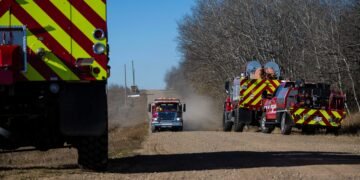
























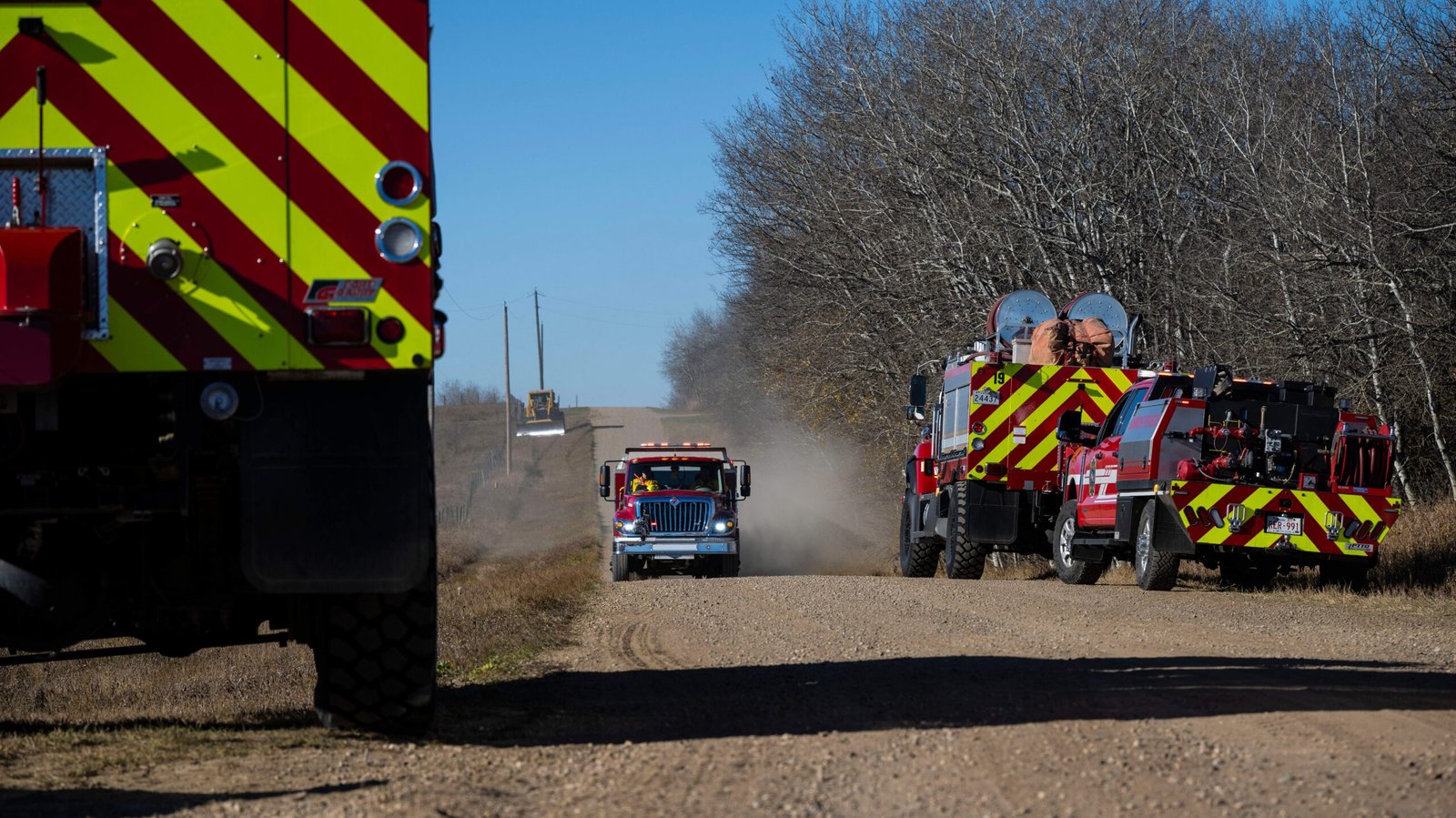
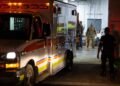
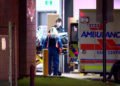
A deadly explosion and fast-moving grass fire at Canadian Forces Base Wainwright in Alberta have killed at least four military personnel and left dozens more seriously injured. Prime Minister Mark Carney confirmed the deaths on Sunday, saying next of kin had been notified. Separate military sources told Global News that at least seven people died in the incident, which occurred approximately 200 kilometres east of Edmonton.
Early findings from a preliminary investigation suggest a munition from a live training exercise ignited the grass fire, which then triggered Saturday’s explosion. The Canadian Armed Forces confirmed the incident remains under active investigation. Officials stated there is no indication of terrorist activity.
Stay connected to every major update — subscribe and follow us on the PhoenixQ website and across our social media platforms.
Emergency Response Across Alberta
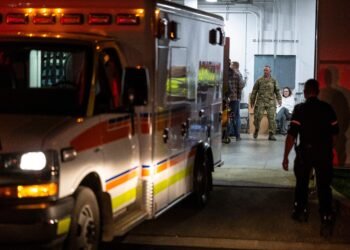
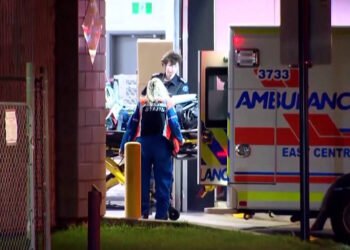
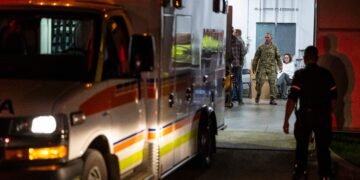
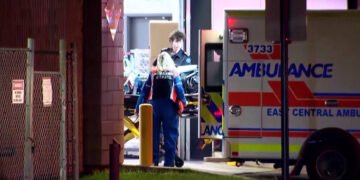
Alberta health authorities mobilized a major emergency response following the blast. The province deployed 22 ground ambulances, six aircraft and two helicopters, and also received assistance from Saskatchewan. Hospitals in Edmonton, Red Deer and Calgary all received patients transferred from Wainwright.
Officials lifted a Code Orange alert for several Edmonton-area hospitals on Sunday afternoon. That alert had required hospitals to free up beds, secure additional staff and prepare for a mass casualty event. By Sunday, the immediate medical emergency had stabilized enough to stand down the alert.
Wainwright Mayor Bruce Pugh described the moment he realized something had gone seriously wrong. He said the familiar sound of artillery fire that typically signals the start of training exercises at the base suddenly stopped on Saturday afternoon. Almost immediately after, he heard sirens and helicopters rushing toward the base. He added that just before midnight, military medical personnel descended by parachute, their red chutes lit by flare lights, to assist those on the ground.
Government and Military Response
Prime Minister Carney described the fire as “violent” and fast-moving. He ordered Canadian flags lowered to half-mast at federal buildings across the country. He also asked the military to provide the public with a detailed account of what happened.
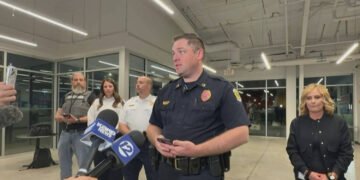
Defence Minister David McGuinty traveled to Edmonton on Sunday morning. He said he was being briefed on the “terrible incident” and expressed solidarity with those affected. Later in the day, McGuinty joined Major-General Wade Rutland, commander of the 1st Canadian Division, and Emergency Preparedness Minister Eleanor Olszewski at a news conference alongside provincial ministers and senior officials.
Alberta Premier Danielle Smith called the CFB Wainwright fire “heartbreaking.” She paid tribute to health workers who managed the response and said the province convened its emergency management cabinet committee to coordinate efforts.
International Condolences
The NATO Military Committee extended its deepest condolences to the families of those killed. In a statement, the committee noted that CFB Wainwright has long served as a training ground for Canadian soldiers and allied forces preparing for demanding operational tasks. The committee said those who died served “our common security” and pledged to honour their memory.
United States Ambassador to Canada Pete Hoekstra also responded to the tragedy. He said his “heart is heavy” for the Canadian Armed Forces community and posted on social media that he was praying for the families of the deceased and for the full recovery of those injured.
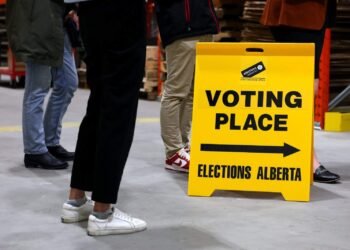
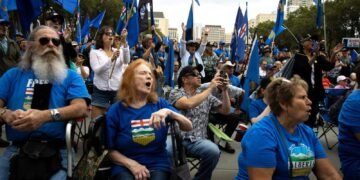
Meanwhile, the tragedy cast a shadow over a pro-Canada rally held Sunday at the Alberta legislature in Edmonton. Gil McGowan, head of the Alberta Federation of Labour and organizer of the event, said the Wainwright disaster “hangs like a real dark cloud” over the gathering. He noted that the swift, selfless response from first responders across Canada served as a powerful reminder of the country’s unity. The rally took place one day before Albertans voted on whether the province should remain in Canada or proceed toward a binding referendum on leaving Confederation. Polls conducted before and after Premier Smith called the referendum indicated strong public support for staying in Canada.