English
















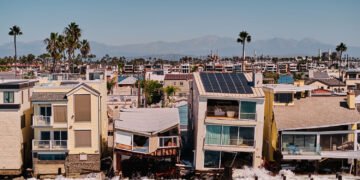


























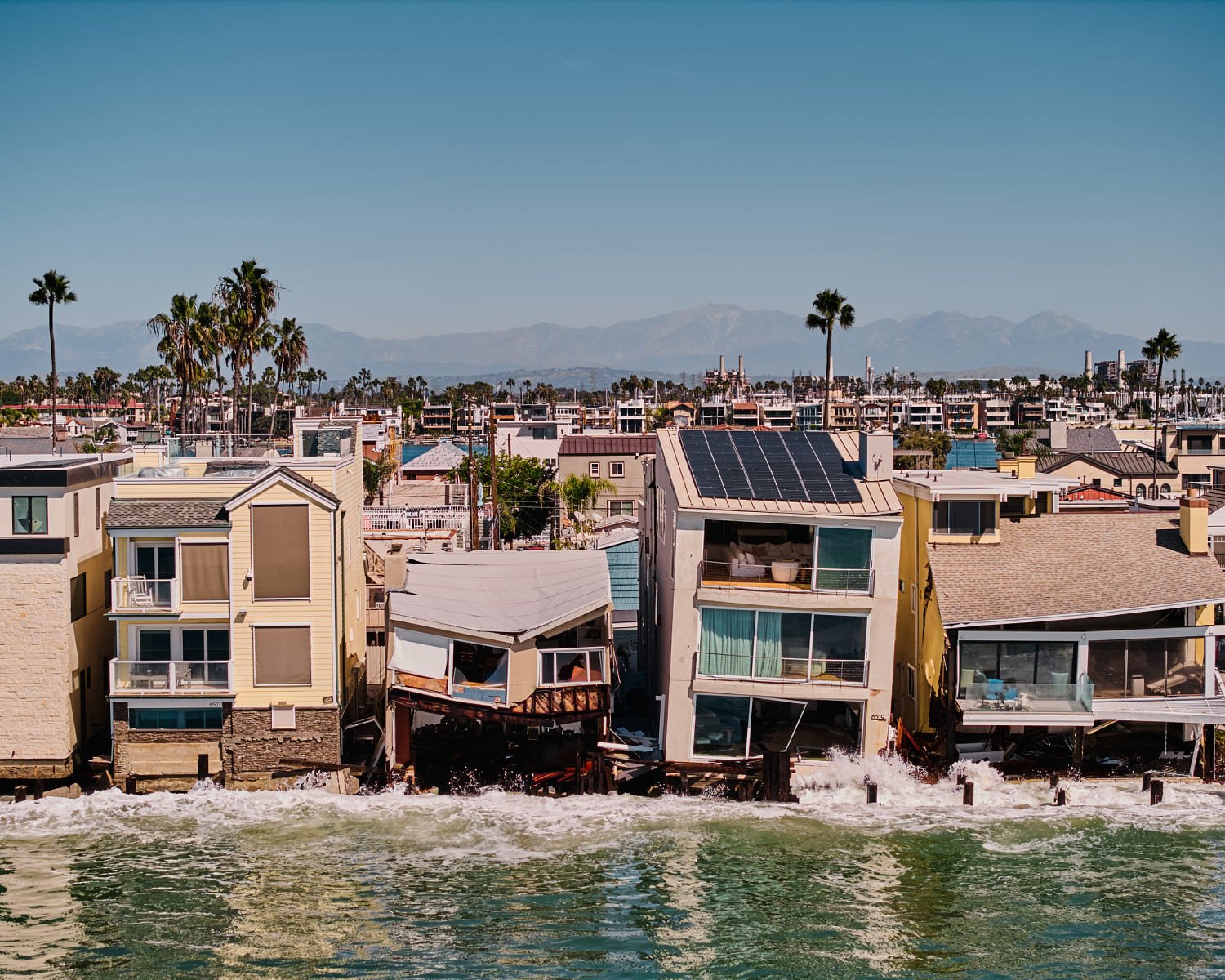
Powerful surf driven by the remnants of Tropical Storm Rachel has destroyed multiple homes along the California coast, raising urgent questions about the long-term future of coastal living in the state. On the Long Beach Peninsula, more than a dozen homes collapsed into the ocean between October 9 and 11 as offshore waves reached up to 17 feet tall. Eight structures encompassing 13 homes were declared too unsafe to enter.
Residents Flee as Homes Collapse Into the Sea
One resident, Curtis, described a desperate scramble when his apartment began to give way. He and his roommate rushed to push belongings toward the back of the building and into the garage, which felt more stable. Curtis then escaped through his bedroom window with his dog, Lux, and crossed to the bay-facing side of the street, which avoided damage this time.
Stay connected to every major update — subscribe and follow us on the PhoenixQ website and across our social media platforms.
Days later, friends showed Curtis drone footage of his favorite couch drifting in the ocean. “It’s just a couch,” he said. “I feel really bad for the neighbors.” Before the storm, Curtis had loved waking up each morning to the sound of the surf. His front door had opened directly onto a popular boardwalk filled with locals and visitors.
Next door, a three-story single-family home stood empty after its owners left for a cruise just before Tropical Storm Rachel’s remnants struck. A large crack ran from the foundation all the way to the roof, threatening to split the structure in two. Curtis said he told the family simply to enjoy their vacation. There was nothing they could do. The family could not be reached for comment.
Climate Change Raises Long-Term Concerns
Beyond the immediate destruction, residents and experts are questioning how much longer life along California’s coast will remain viable. “We love to live in these vulnerable places because they are beautiful,” said researcher Gallien. “It comes down to what is a risk tolerance for a given homeowner, a given community, or a given municipality. Can engineers protect structures?”
That question is keeping officials, residents and experts deeply concerned. While the current damage to California’s coastline is historic in scale, it is not entirely without precedent. Coastal erosion has caused significant flooding along the Pacific Coast Highway during previous El Niño events, including episodes in the mid-1980s and late 1990s.
However, the pace and intensity of recent destruction has sharpened the debate. Rapid climate change is accelerating coastal erosion across California, and many communities now face difficult decisions about whether to protect, retreat or rebuild. For many residents, the appeal of oceanfront living remains strong. Yet, as events like the Long Beach Peninsula collapse demonstrate, that appeal carries growing and very real risks.