English














































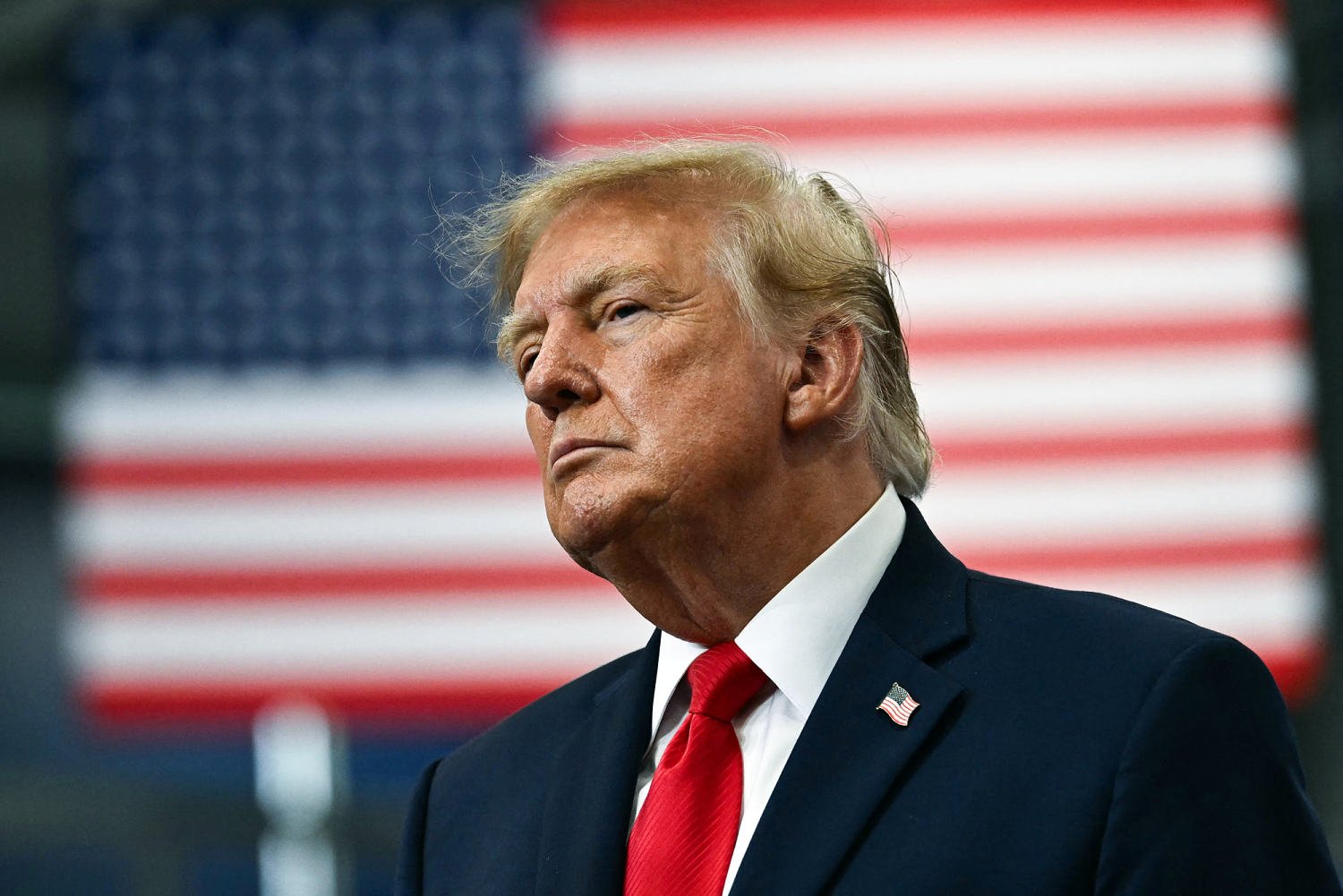
President Donald Trump has waived a sweeping package of Russia sanctions that Congress passed just weeks ago, declaring in an executive order that doing so serves the national interests of the United States. The decision suspends legislation named after the late Senator Lindsey Graham of South Carolina, which Trump himself signed into law last month.
What the Sanctions Were Designed to Do
The Lindsey Graham Act targeted Russia’s largest buyers of oil and gas. It gave the president authority to impose tariffs on goods from those countries, potentially including China and India. Congress passed the bill with bipartisan support, aiming to cut off revenue streams that fund Russia’s ongoing war against Ukraine.
Stay connected to every major update — subscribe and follow us on the PhoenixQ website and across our social media platforms.
By waiving the sanctions, Trump effectively handed Russia a significant financial lifeline. Critics argue the move undermines months of legislative effort to pressure Moscow economically.
Trump’s Reasoning and Recent Deals with Russia
Trump’s decision follows a deal he announced last week with Russian President Vladimir Putin. Under that agreement, hundreds of thousands of tons of Russian diesel fuel will enter the global market. Trump framed the deal as a response to soaring fuel prices.
The president has also expressed frustration with Ukraine’s strikes on Russian oil and gas infrastructure. He has blamed those attacks for rising fuel costs. Meanwhile, he has downplayed the role of the Iran war, which began in February, in driving up energy prices. Diesel costs have risen nearly 70% since that conflict started.
The timing of the waiver is notable. It arrives less than three weeks before the midterm elections, as the cost of living remains a top concern for voters across the country.
Congressional Backlash
The decision drew immediate condemnation from lawmakers on both sides of the aisle. Senator Richard Blumenthal, a Democrat from Connecticut, called it a “craven, cowardly action.” He argued the waivers have nothing to do with national security and everything to do with appeasing Putin.
Republican Representative Don Bacon of Nebraska, a strong supporter of Ukraine, also pushed back. In a post on X, Bacon said Trump “is prolonging the war, not ending it.”
However, Senator Darline Graham of South Carolina has remained silent on the matter. Graham co-sponsored the bill named for her late brother and has promoted it as a centerpiece of her campaign for a full Senate term. Trump endorsed her in the Republican primary, which proved critical to her victory. She has not criticized the president over the Russian oil deal or the sanctions waiver.
Legal Requirements and Congressional Oversight
The legislation includes a transparency requirement. Before waiving the sanctions, the administration must submit an unclassified report to Congress explaining its reasoning. In his executive order, Trump stated that the White House has already sent that report to Capitol Hill.
Congress passed the bill with strong majorities in both chambers. Nevertheless, many Democrats opposed it because it granted the president broad new tariff powers. That opposition now appears prescient to some critics, who argue Trump is using those powers in ways that benefit Russia rather than pressure it.
The Russia sanctions waiver marks one of the most significant foreign policy moves of Trump’s recent term. It raises fresh questions about the administration’s approach to the Ukraine conflict and its broader relationship with Moscow.