English















































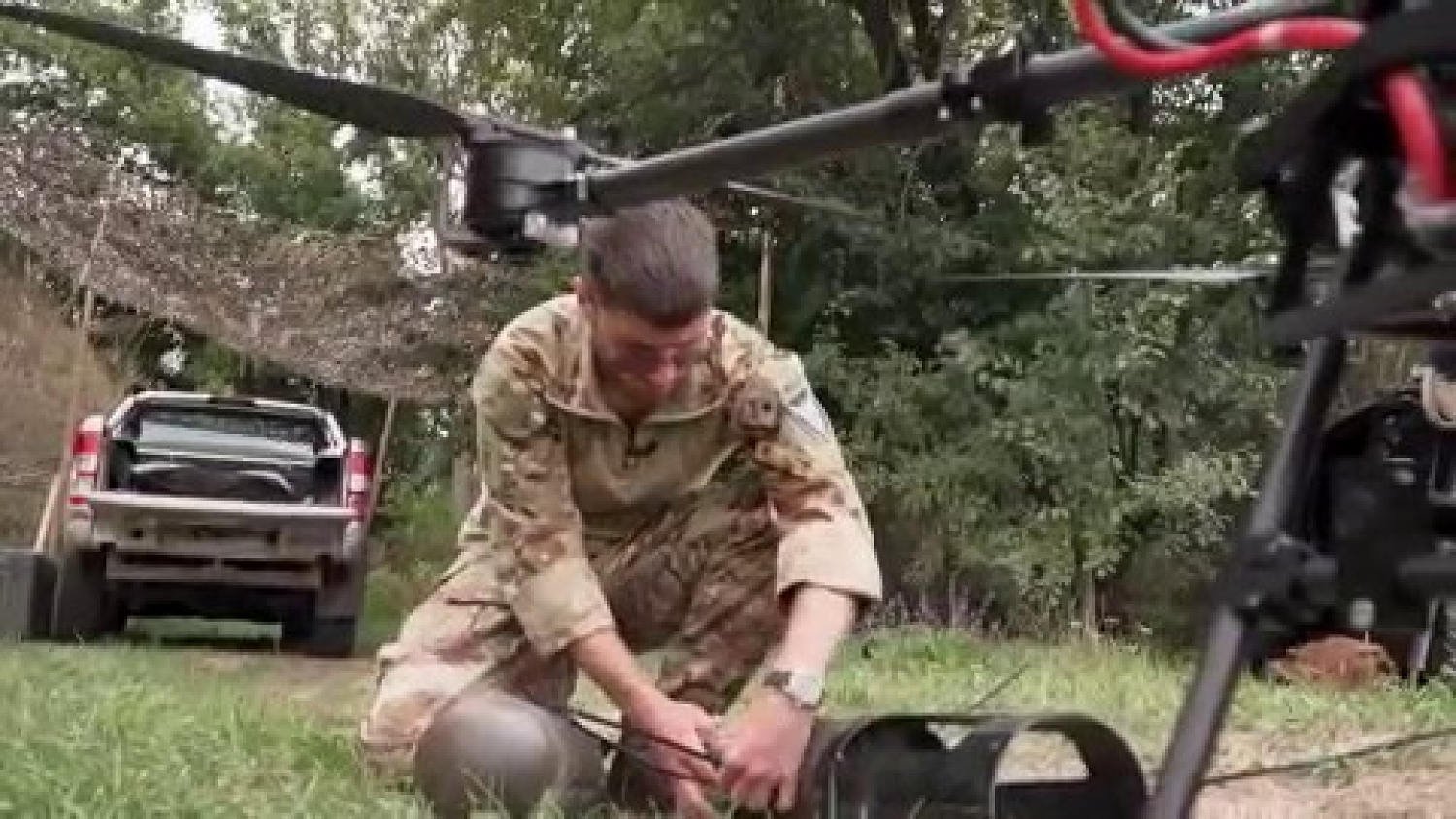
Along the 750-mile front line dividing Ukraine and Russia, a stretch of territory roughly 20 miles wide has earned a grim reputation. Soldiers and military observers now call it the “Kill Zone.” It is widely considered one of the deadliest places on earth, where swarms of advanced drones hunt combatants with lethal efficiency in what military experts describe as a new era of warfare.
NBC News correspondent Richard Engel spoke directly with Ukrainian soldiers fighting to survive inside this dangerous corridor. Their accounts paint a stark picture of modern combat, where the threat does not come from a distant artillery shell but from small, fast-moving machines that can strike with little warning.
Stay connected to every major update — subscribe and follow us on the PhoenixQ website and across our social media platforms.
Drones Redefine the Battlefield
High-tech drones now dominate the front line in ways that traditional weapons never did. These machines operate in coordinated swarms, making them far harder to evade or destroy. For soldiers on the ground, the sky itself has become a threat.
Ukrainian troops describe constant vigilance as a basic requirement for survival. A drone can appear at any moment. As a result, movement across open ground carries extreme risk, and even temporary positions offer little safety.
The scale of drone deployment in this conflict marks a significant shift in how wars are fought. Both sides have invested heavily in unmanned aerial technology. However, the density of drone activity along this particular stretch of front line makes it especially dangerous for infantry units operating in the zone.
Soldiers Speak Out on Survival
The Ukrainian soldiers Engel interviewed described adapting their tactics to account for the drone threat. Traditional cover and concealment methods are no longer enough. Instead, troops rely on speed, communication and electronic countermeasures to reduce their exposure.
Despite these adaptations, casualties remain high. The Kill Zone continues to claim lives on both sides. Meanwhile, the psychological toll on soldiers operating in the area adds another dimension to the human cost of the conflict.
The front line has remained largely static for an extended period. Even so, the nature of fighting within the Kill Zone continues to evolve rapidly. New drone models appear regularly, and tactics shift in response.
A New Age of Warfare
Military analysts watching the Ukraine conflict say the Kill Zone represents a preview of future warfare. Drone swarms, once considered experimental, are now a standard feature of this battlefield. Furthermore, the technology is becoming cheaper and more accessible over time.
For the soldiers living and fighting inside this 20-mile-wide corridor, however, the strategic implications matter far less than immediate survival. Each day inside the Kill Zone brings fresh danger. The combination of scale, technology and intensity makes this front line unlike almost any other active combat zone in the world today.
NBC News reported this story on October 17, 2026, based on Engel’s firsthand reporting from the region and interviews conducted with Ukrainian military personnel serving along the front.