English














































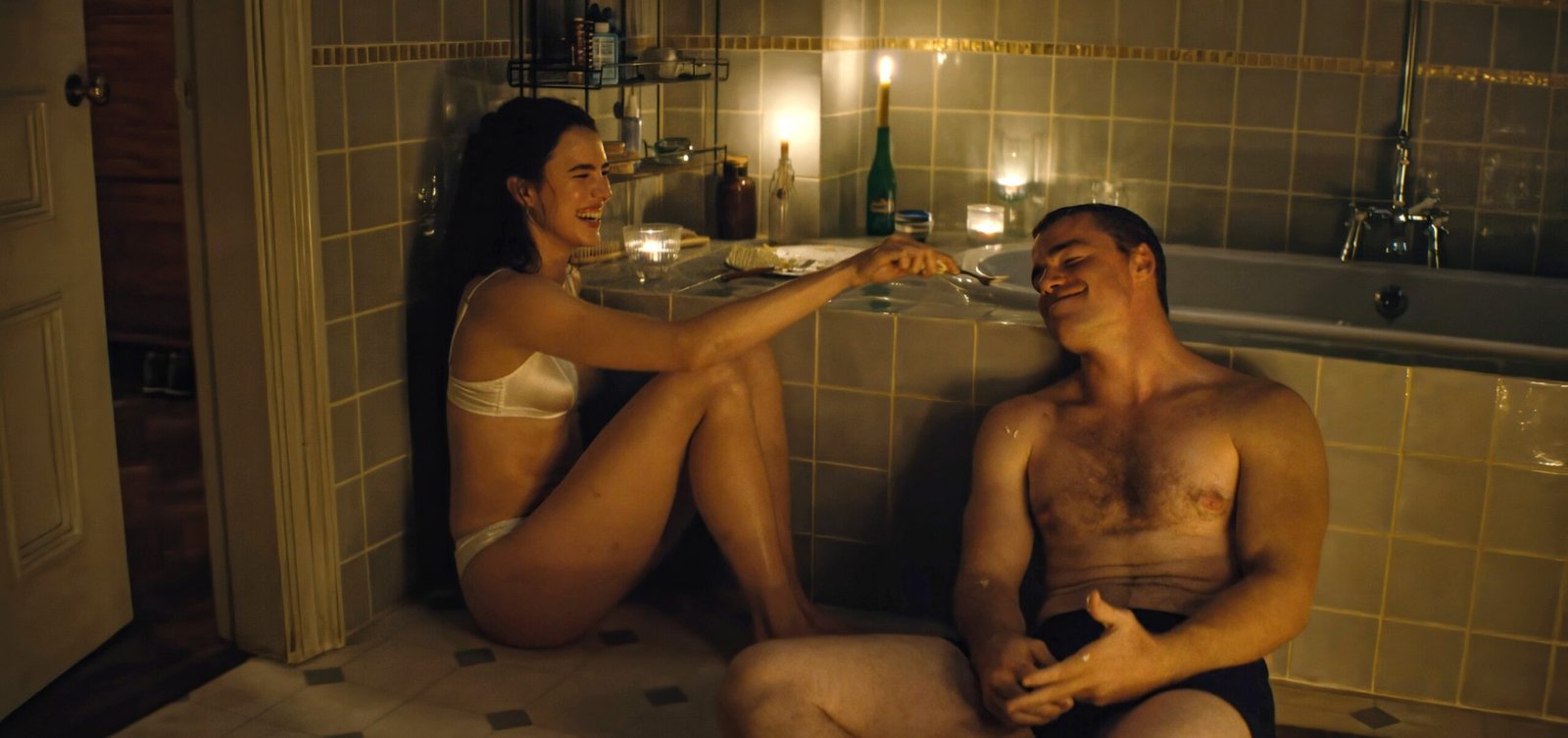
Director Rachel Morrison has opened up about her decision to subvert romantic genre conventions in her new film Love of Your Life, now streaming on Prime Video after a brief theatrical run. In a wide-ranging conversation, Morrison discussed working with star Margaret Qualley, portraying the COVID-19 pandemic on screen, and why she chose an ending that deliberately defies audience expectations.
A Script That Got Under Her Skin
Written by Julia Cox, who also co-wrote Nyad, Love of Your Life centers on Maya, a young emergency room nurse in Boston with little family to lean on. She falls for a nerdy but charming man named Charlie, and the two begin building a life together. However, tragedy during the COVID-19 pandemic tears them apart. Maya copes by traveling — first to Portugal, then London, then Japan — where an unexpected romance forces her to confront her grief and her past.
Stay connected to every major update — subscribe and follow us on the PhoenixQ website and across our social media platforms.
Morrison admits she did not immediately recognize the project as her next film. “I obviously was drawn to the script, but didn’t immediately think, ‘This is my next project,'” she told Variety. “It really was just, this is good writing and I want to talk about it with this writer.” Over time, however, the material became deeply personal to her. Morrison connected the story to her own experience of early loss and the emotional walls people build to avoid further pain.
Morrison is already well known as a cinematographer. In 2017, she became the first woman nominated for the Academy Award for Best Cinematography, for her work on Mudbound. She made her directorial debut two years ago with the sports drama The Fire Inside. Love of Your Life marks her second feature as a director.
Building the Cast Around Margaret Qualley
The film features an ensemble cast led by Margaret Qualley as Maya. Gabriel Basso plays Charlie, Aaron Pierre plays Felix — a stranger Maya meets abroad — Patrick Schwarzenegger plays her best friend Jason, and Catherine Keener delivers a scene-stealing performance as Charlie’s mother Ruth.
Morrison says she specifically wanted Qualley for the lead role. “As somebody who’s going to have to anchor the entire thing, it’s critical that your actress wants to be there and really understands the film that you’re trying to make,” she explained. Morrison praised Qualley’s range and said she was eager to see a grounded, relatable performance from her. “I was excited to see what the girl-next-door version could be,” she said.
For the male roles, Morrison focused on creating clear distinctions between each character. She noted that Aaron Pierre’s naturally stoic quality allowed Gabriel Basso to bring a more energetic, warm presence to Charlie. Chemistry reads with Qualley also helped ensure each pairing felt distinct. “Gabe brought out a different quality in Margaret than Aaron did and Patrick did, and you can feel it throughout the film,” Morrison said.
Portraying the Pandemic With Care
The COVID-19 pandemic plays a central role in the story, particularly because Maya works as a frontline nurse. Morrison said accuracy was the top priority. Both she and Qualley consulted extensively with nurses, doctors and other medical professionals. The goal was to capture the pandemic as it was actually experienced by first responders — including its lasting emotional effects.
Rather than dramatizing the crisis, Morrison sought small, recognizable details. She mentioned references such as Tiger King and wiping down groceries with disinfectant as examples of moments audiences would immediately recognize. “The goal was really to recreate it in a way that feels both like yesterday and also like a lifetime ago,” she said. “I’m always trying to make it the grounded, relatable version of itself and not the cinema version of itself.”
Morrison also spoke about working with Qualley through the film’s most emotionally demanding scenes. She noted that Qualley’s instincts often led to more honest choices than what the script originally called for. In one key scene, Qualley struggled to get her words out during a phone call with Ruth. Morrison chose to keep that moment rather than follow the scripted version. “It was a much more honest portrayal of what Maya would have been going through,” she said.
Subverting the Romantic Ending
Perhaps the most deliberate creative choice in Love of Your Life involves its ending. Audiences expecting a conventional romantic resolution — with Maya reuniting with Jason — instead watch her go to visit Ruth. Morrison says this was entirely intentional.
“We’re taking these genres that have a set of expectations and completely subverting them,” she explained. “I am just so profoundly grateful and thrilled that that’s not how this film ends.” For Morrison, the ending is about Maya finding her way back to herself — not back to a romantic partner. “Just finding herself is enough,” she said.
Morrison also addressed the film’s release strategy. Although Love of Your Life was always intended for Prime Video, it received a one-week theatrical run first. Morrison said she made the film with the theatrical experience in mind regardless of platform. She also noted, somewhat humorously, that testing revealed male viewers felt more comfortable expressing emotion at home — suggesting the film may resonate even more widely on streaming.
Looking ahead, Morrison said she is drawn to grounded science fiction for her next project. She wants to make something undeniably theatrical and unlike anything she has done before. “Whatever’s least expected of me, that’s probably what I’ll do next,” she said.