English


















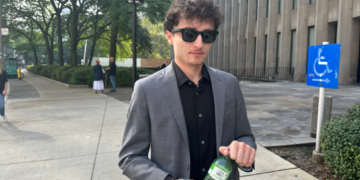
















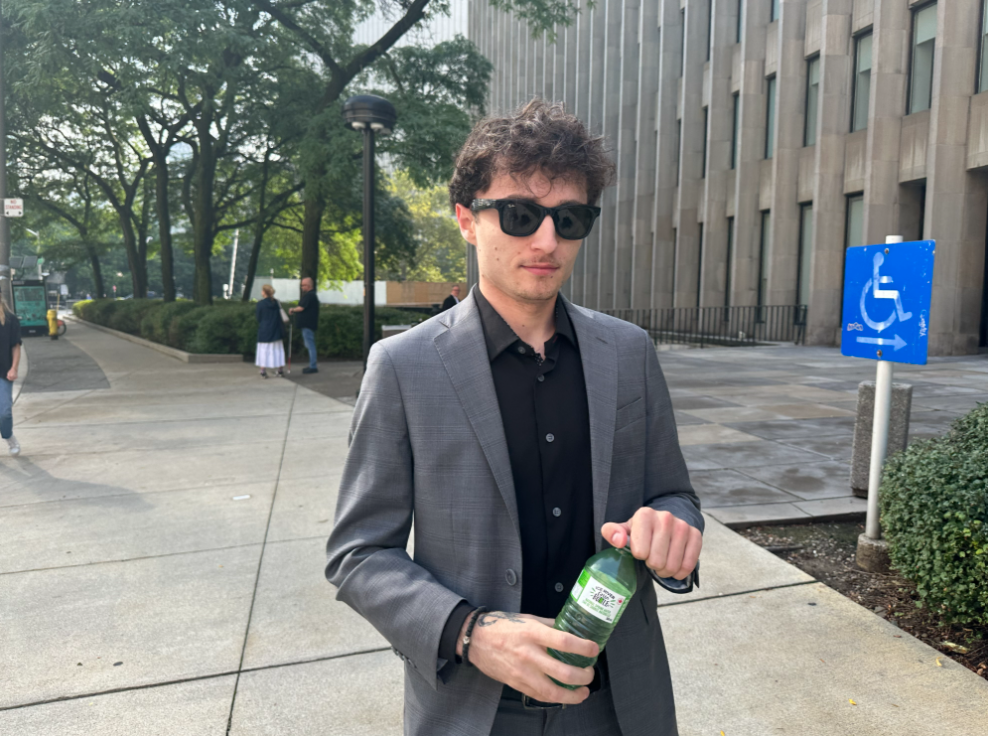
The fraud trial of Aiden Pleterski, the Whitby man known as “The Crypto King,” moved into witness testimony on Wednesday. Two investors took the stand and described how they trusted Pleterski with hundreds of thousands of dollars — and received nothing back.
Pleterski, 27, faces charges of fraud over $5,000 and money laundering. He has pleaded not guilty and is represented by counsel. The trial is being heard before Superior Court Justice Shaun Nakatsuru.
Stay connected to every major update — subscribe and follow us on the PhoenixQ website and across our social media platforms.
Investors Describe Being Drawn In
Witness Braden Martyniuk told the court he had read articles about Pleterski before investing. Those articles described Pleterski as “The Crypto King,” and Martyniuk said that reputation influenced his decision. The two also shared a mutual friend, which added to his confidence.
Martyniuk testified that Pleterski promised returns of three percent per week, compounding every week. Pleterski also told him there was no risk to the initial investment and that all his clients were fully covered. He claimed to have a $300-million reserve fund to protect investors.
Martyniuk wired Pleterski $250,000 and signed a contract. However, when he contacted Pleterski in May or June 2022 to retrieve his money, he received no response and no funds.
The second witness, Stewart Wilson, manages a high-end car rental company. He first met Pleterski when Pleterski was around 20 or 21 years old and rented him several luxury vehicles in 2019. Wilson said he ran into Pleterski again in a parking lot in the fall of 2020, where Pleterski told him he had bought an Audi R8 and was actively trading.
“I was happy for him. It seemed like everything was going good for him,” Wilson told the court.
A Mansion, Luxury Cars and a Convincing Pitch
Wilson said he later saw Pleterski doing well on social media and arranged a meeting in 2021. Pleterski invited him to his new home — a roughly 8,000-square-foot waterfront mansion in Burlington. The garage held Lamborghinis, Audis and a McLaren worth approximately $2 million combined.
“I was quite impressed,” Wilson said.
Pleterski told Wilson his trading strategy was straightforward. He focused on making one percent per day, traded about ten stocks at a time and maintained a strict stop-loss rule. Wilson said the approach seemed almost too simple. “Why hadn’t anyone ever thought of this?” he recalled thinking.
Wilson signed a contract with AP Private Equity and wrote a cheque for $250,000. Over the following weeks, he continued writing cheques. His total investment reached $900,000. His girlfriend also invested $300,000, using proceeds from the sale of her condo. Pleterski told Wilson his total asset pool sat between $30 million and $50 million.
Wilson said he never once suspected Pleterski was spending the money on himself. “I didn’t even think it was a possibility. It’s the craziest thing to think you get scammed. It didn’t even cross my mind,” he said.
The Scheme Unravels
By March 2022, Wilson told Pleterski he needed to withdraw $400,000. After that, Pleterski became difficult to reach. He eventually told Wilson his funds were frozen in foreign exchange accounts. Wilson never recovered any of his money.
Crown Counsel Scott Patterson had outlined the broader picture for the jury on Tuesday. He told jurors that before mid-2020, Pleterski lived at his parents’ home in Whitby, worked at a rental agency and drove a Honda Civic. His parents supported him financially until the COVID-19 pandemic, when he began collecting the Canada Emergency Response Benefit at $500 per week.
Patterson said Pleterski then began soliciting investor funds in mid-2020. He told investors he would take 30 percent of capital gains, claimed his system would never lose more than two percent and targeted five percent gains. He also told some investors he was already extremely wealthy.
Instead, Patterson told the jury, Pleterski used the money for himself. “He used investor money to fund his lifestyle: exotic cars, private jets, lavish shopping and credit card bills that ran into the millions,” Patterson said.
When investors began requesting their money back in spring 2022, Pleterski offered excuses and delays. He eventually claimed their funds were frozen in foreign exchange accounts. Patterson told the jury the evidence will show that was false. “It wasn’t frozen because Pleterski never invested the money. He had simply spent it,” Patterson said.
Pleterski declined to cross-examine either witness when given the opportunity by the court. The trial continues.