English




































Three years after the Hamas-led attack on October 7, 2023, Israelis gathered on Wednesday to mark an anniversary defined by grief, ongoing war and a transformed Middle East. The attack killed 1,200 people, took 251 hostage and triggered a military campaign in Gaza that has left the territory largely in ruins. For the first time, the commemoration comes after all hostages — both living and dead — have been returned, adding a new dimension to the mourning.
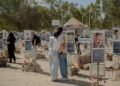
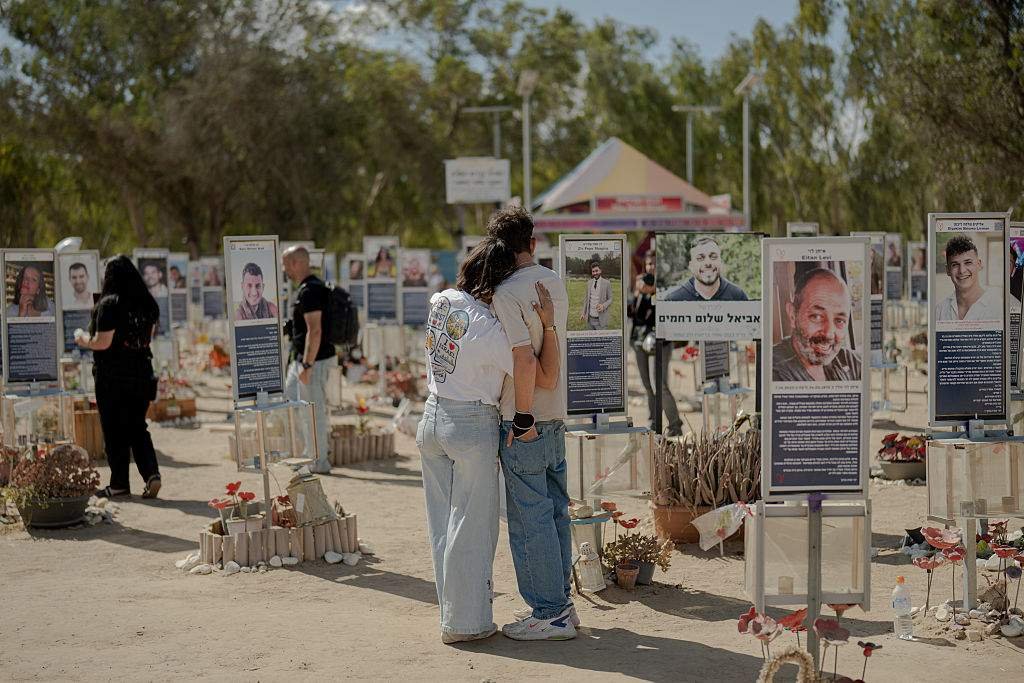
In southern Israel, families gathered at intersections, bomb shelters and the site of the Nova music festival near the town of Reim. More than 350 people died at or near the festival that morning. Survivors and relatives stood around photographs of the dead, embracing at exactly 6:29 a.m. — the moment militants launched the first rockets three years ago — as explosions echoed from nearby Gaza.
Stay connected to every major update — subscribe and follow us on the PhoenixQ website and across our social media platforms.
Anya Davitashili lost her 25-year-old son, Sean, at the festival. She visits the site every Saturday. “I have a video of him dancing here that ends at 6:29 in the morning; it’s in front of my eyes all the time,” she said. “Every morning, you wake up and there is just endless missing.”
A Released Hostage Marks His First Anniversary at Home
Elkana Bohbot, 37, attended the commemoration in Israel for the first time since his release after 738 days in captivity. He spent most of that time underground in a dark, damp tunnel. Militants abducted him from the Nova festival and held him in a small cell with other hostages.
During his captivity, Bohbot received little food and could bathe only every few weeks. His captors also forced him to appear in propaganda videos, including one where he acted out a fake phone call to his family.
Since his release, Bohbot has undergone physical and emotional rehabilitation. In August, his wife Rivka gave birth to a daughter named Michele, fulfilling a promise he made to himself in the tunnels — to give his five-year-old son, Reem, a sibling. “This child is the message for you that we were here and we will always be here forever,” Bohbot told The Associated Press.
Palestinians in Gaza Describe Unimaginable Destruction
For Palestinians, the anniversary brought no relief. Most of Gaza’s two million residents now live in vast, squalid tent camps. Large parts of the territory’s cities have been reduced to rubble, and more than half of Gaza remains under Israeli military control.
Gaza City resident Walid Akram, like most people in the territory, has been displaced by the war. “We witnessed death, destruction, and bombardment that we had never known before,” he said. Raed Khozeiq’s coastal neighbourhood in Tel al-Hawa was largely flattened. “No country in the world has gone through what we have experienced here,” he said. “A war of extermination, starvation, the absence of schools and universities — nothing remains.”
More than 74,000 Palestinians have died in Gaza, according to the territory’s Health Ministry. The ministry does not distinguish between civilians and militants in its figures, but says around half were women and children. United Nations agencies and independent experts generally consider the ministry’s numbers reliable.
Meanwhile, Hamas issued a statement on Wednesday praising the October 7 attack as an act of “heroism, resilience and national solidarity.” The group also said the assault had returned the Palestinian cause to global attention. No public events took place in Gaza to mark the day.
A ceasefire took effect on October 10, 2025, halting the heaviest fighting. However, Israeli strikes have continued, targeting what Israel describes as Hamas militants. Since the ceasefire, the Health Ministry reports that 1,460 Palestinians have been killed. Seven Israeli soldiers also died during that period. Food security experts say restrictions on goods and aid entering Gaza have contributed to a serious hunger crisis.
A Region Transformed by Three Years of Conflict
Beyond Gaza, the October 7 attack set off a chain of events that reshaped the broader Middle East. Hezbollah began firing on Israel in 2023 in support of Hamas, drawing Israel into a separate conflict in Lebanon. Israeli troops now occupy a large portion of southern Lebanon, and more than 300,000 Lebanese remain displaced.
Israel has also seized territory in Syria and struck Iran’s military and nuclear program in two rounds of attacks, joined by the United States. Those strikes battered Iran and disrupted global markets. Violence has also increased in the Israeli-occupied West Bank, where far-right government policies have tightened restrictions on Palestinians while emboldening extremist settlers who have attacked communities and destroyed property.
Inside Israel, the anniversary also reflects deep political divisions. The government held its official memorial services on October 5, closer to the Hebrew calendar date of the attack. Former Prime Minister Naftali Bennett visited Reim and spoke with grieving families. Opposition leader Gadi Eisenkot met with families at a bomb shelter where many died while trying to flee. Both men are challenging Prime Minister Benjamin Netanyahu, whose handling of the war and resistance to an official inquiry into the failures of October 7 remain major political flashpoints ahead of elections at the end of the month.