English















































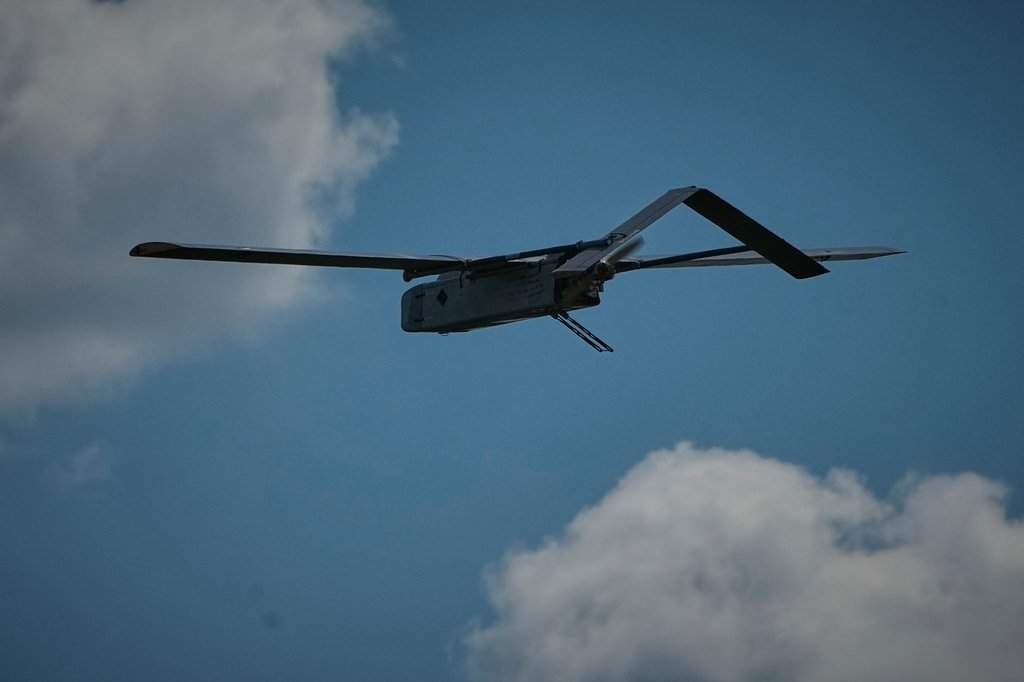
Canada’s Department of National Defence is moving to acquire anti-drone defense systems for military bases across the country, according to federal procurement documents. The notice signals a growing recognition that domestic military installations face real security threats, even far from active combat zones.
DND posted a short notice online Monday outlining the need for a system capable of protecting personnel, equipment and facilities from drone attacks at locations throughout Canada. However, the full details of the planned purchase remain restricted. Only qualified suppliers can access specifics about the types of threats the system is designed to counter. DND did not respond to requests for comment.
Stay connected to every major update — subscribe and follow us on the PhoenixQ website and across our social media platforms.
Threat Closer to Home Than Many Assume
While Canadian bases are not facing the kind of advanced drone warfare seen on European battlefields, experts warn that the domestic threat is still significant. Stephanie Carvin, a professor at the Norman Paterson School of International Relations and a former intelligence analyst, says the Canadian Armed Forces are most concerned about hostile foreign powers recruiting individuals already inside Canada.
Carvin pointed to a recent pattern of hired operatives allegedly working on behalf of nation states or their proxies. “It’s very, very hard to sneak operatives across borders,” she said. “So the model really is just to find people on social media and convince them to engage in this.” She added that countering this threat has become a major focus for both the CAF and the RCMP, which operates its own counter-drone unit.
Beyond military bases, Carvin noted concerns about public events and policing. She also highlighted that Canada already deploys counter-drone systems around critical infrastructure, including nuclear power plants. “I would say that the use of counter-drone technology around critical infrastructure is becoming the norm,” she said.
Years of Experience in Latvia Shaping Domestic Strategy
The CAF has spent years and hundreds of millions of dollars building drone defenses for troops deployed in Latvia as part of Operation Reassurance. That mission forms part of NATO’s broader effort to strengthen its eastern flank amid Russia’s ongoing invasion of Ukraine.
The Latvia deployment has given Canadian and allied forces a direct view of how drone warfare tactics have evolved since Russia launched its full-scale invasion in 2022. That battlefield experience now appears to be informing defense planning back home.
For the Latvia mission specifically, the CAF budgeted between $100 million and $249 million for a vehicle-mounted anti-drone system. That system includes detectors and jammers targeting the radio frequencies and global navigation signals that drones rely on for targeting.
Canada Builds Domestic Drone Capacity
Separately, the federal government launched the Defence Drone Initiative in July 2026. The program aims to scale Canada’s ability to produce low-cost uncrewed and autonomous systems domestically. “Recent conflicts have shown that drone technology evolves rapidly,” a statement announcing the initiative noted.
The initiative covers both offensive and defensive drone capabilities. On the offensive side, it includes research into long-range precision strike systems. On the defensive side, it focuses on drone interceptor systems designed to neutralize hostile uncrewed vehicles.
The government framed the program as supporting broader national goals. Officials said the Defence Drone Initiative will help build a more responsive and scalable Canadian ecosystem. They also said it reflects the government’s commitment to equip the CAF and the Canadian Coast Guard with domestically developed technologies. The program is also expected to support skilled jobs and long-term economic growth within Canada’s defense sector.
Together, the domestic basing procurement and the Defence Drone Initiative suggest Canada is taking a more comprehensive approach to drone threats, both at home and abroad.