English











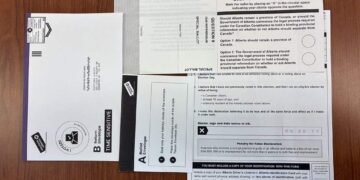

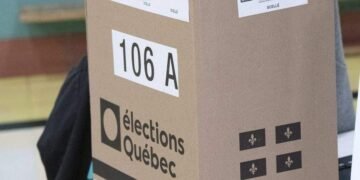































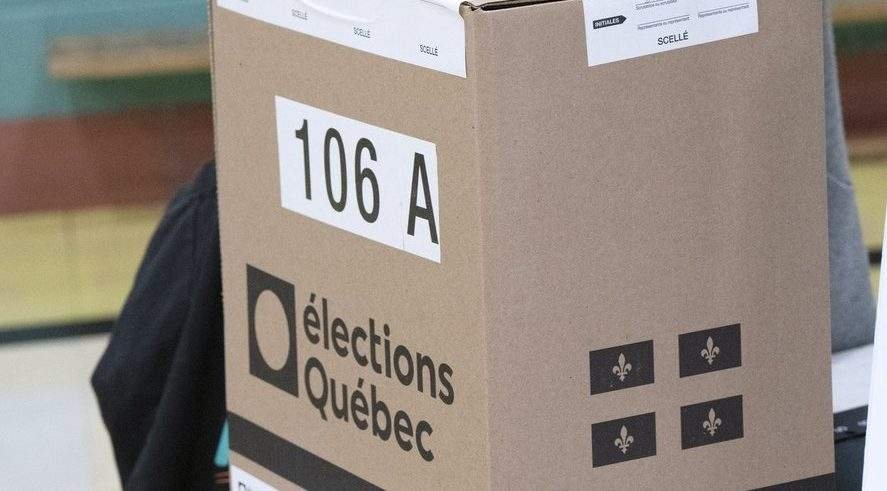
A dispute over language rights is intensifying in Quebec ahead of the province’s October 5 provincial election. Elections Quebec faces criticism from English-language advocacy groups over a new directive that instructs poll workers to greet voters in French first, switching to English only under specific conditions. The controversy follows a court order requiring the agency to send bilingual voter reminder cards in both French and English.
Bilingual Voter Cards on the Way
Elections Quebec confirmed it sent out the bilingual voter cards following the court ruling. However, Quebecers are not expected to receive them until next week. The confirmation came just days before advance polling stations were set to open.
Stay connected to every major update — subscribe and follow us on the PhoenixQ website and across our social media platforms.
Geoffrey Chambers, the lead plaintiff in the court challenge that produced the ruling, welcomed the judgment. However, he expressed disappointment that the matter was not resolved sooner. “I am very happy we got the judgement and the judgement is very clear,” Chambers said. “I’m sad that we didn’t know this early enough to get to the judge early enough to actually get documents out.”
Directive on Language at Polling Stations
Beyond the voter cards, Chambers said he remains troubled by the directive issued to election workers. Under the directive, poll workers must open every voter interaction in French. They may only switch to English if a voter identifies themselves as a historic anglophone or as Indigenous.
The directive also provides sample questions that workers can ask. For example, workers may ask whether a voter has been declared eligible for English-language education or whether they belong to an Indigenous community. If a voter answers yes, the worker may then continue in English. Elections Quebec told Global News it will not require voters to provide proof. Instead, it will rely entirely on a person’s own statement.
Chambers argued the rules create unnecessary obstacles for English-speaking voters. “The set of instructions create an unquestionably additional hurdle and barrier that will not play out exactly the same way in every interaction across thousands of people in hundreds of ridings,” he said.
Advocacy Groups Raise Concerns
Sylvia Martin-Laforge, director general of the Quebec Community Groups Network, also known as QCGN, questioned what the directive signals for the long-term accessibility of Quebec elections for English speakers. “That is not OK,” she said. “Just the threat of it.”
Martin-Laforge also raised a broader concern. She fears English-speaking Quebecers may face an ongoing need to challenge measures affecting their rights through the courts. “Will the English-speaking community have to litigate every single aspect of the electoral process for the director general of elections to respect our rights?” she said.
Elections Quebec explained that it applies these language provisions for the first time because, before the adoption of Bill 96, the agency was not subject to the same requirements. The agency had previously sought an exemption from the legislation. However, the Coalition Avenir Québec government denied that request.
Mixed Reaction Among Voters
Voters interviewed by Global News offered differing views on the situation. One English-speaking voter described the directive as “ridiculous” and “petty.” Another called it “an immense disrespect for anglophones in Quebec.” Meanwhile, a French-speaking voter said she was tired of hearing concerns that the French language faces threats in Quebec.
The dispute has emerged less than two weeks before Quebecers head to the polls in the provincial election. As a result, language rights have moved to the forefront of public debate at a critical moment in the campaign.