English



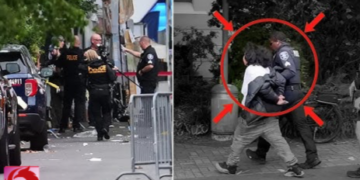































A Utah mail carrier threw away approximately 300 mail-in ballots shortly before the state’s June 23 primary election, the Justice Department announced Tuesday. The carrier, identified as Damon Matai Seei, 34, discarded the ballots in a parking lot garbage bin. Officials said he had no political motive and acted out of frustration and laziness.
Carrier Cited Laziness, Not Politics
Melissa Holyoak, the U.S. attorney for the District of Utah, said Seei also threw away other pieces of mail along with the ballots. According to a government memo, he originally intended only to discard advertisements in order to lighten his workload. He told investigators he did not mean to throw away any ballots.
Stay connected to every major update — subscribe and follow us on the PhoenixQ website and across our social media platforms.
“He claims he simply made a ‘poor decision’ out of ‘frustration’ and ‘laziness,'” the memo stated. Seei no longer works for the U.S. Postal Service. On Tuesday, he pleaded not guilty to a federal charge of destruction and delay of mail. His next court date is November 30. His federal public defender did not immediately respond to a request for comment.
Holyoak noted that roughly 95% of Utah voters cast their ballots by mail. However, officials said it remained unclear whether the affected voters were ultimately able to vote in the primary, which included both Democratic and Republican candidates.
Justice Department Pushes Voter Fraud Cases
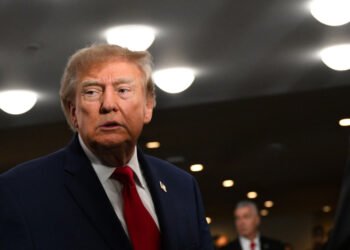
The case emerged as the Trump administration continues to prioritize voter fraud investigations. President Donald Trump has repeatedly claimed, without evidence, that noncitizens vote in large numbers. He has also sought to restrict mail-in voting. Last week, however, the Supreme Court refused to allow those mail-in restrictions to take effect.
Trump has also made repeated false claims that he won the 2020 presidential election and falsely stated he won the popular vote in 2016. Despite extensive efforts during both his terms to uncover widespread fraud, the administration has struggled to produce cases showing significant evidence of it. During his second term, the Justice Department has pursued voter registration records from multiple states to check for noncitizen registrations.
So far in Trump’s second term, the Justice Department has filed charges in 70 voter-fraud-related cases. At least 174 million people are currently registered to vote in the United States. Acting Deputy Attorney General Trent McCotter said more cases were in progress, though he offered no further details or timeline. “Under the leadership of President Trump and Attorney General Blanche, this department is committed to protecting the vote of American citizens,” McCotter said.
Civil Rights Division Faces Legal Setbacks
Meanwhile, the Justice Department’s Civil Rights Division is expanding its election monitoring program. The division now places new emphasis on what it calls “ballot security.” It has also replaced many longtime career employees with newly hired conservative personnel. Hundreds of career staff have left the division since Trump returned to office.
The Civil Rights Division’s efforts to obtain voter rolls have met significant legal resistance. Courts have ruled against the federal government in 25 separate cases related to those efforts.
Voting rights experts acknowledge that isolated instances of fraud do occur. However, they say fraud does not happen on a scale that could have altered the outcome of the 2020 presidential election, which Democrat Joe Biden won. Even so, experts warn that the Justice Department’s public releases on fraud cases could reinforce Trump’s broader narrative about election integrity.
Recent Cases Target Noncitizen Voters
Earlier this month, the Justice Department announced five voting-related cases. Four of those involved noncitizen defendants. Last week, the department charged 16 individuals in election-related cases. At least ten of those defendants were lawful permanent residents of the United States. The defendants came from countries including Mexico, Nigeria, India, the Democratic Republic of Congo, Antigua and Barbuda, Venezuela, and Colombia.
One defendant stood out in particular. Victoria Viktorivna Aquilina, a 42-year-old Russian national, entered the United States as an au pair in her early 20s. Authorities charged her with casting a ballot in the 2024 presidential election.
On the political front, Democrats have launched what they describe as an unprecedented effort to protect the integrity of the 2026 midterm elections. Republicans, meanwhile, face a difficult midterm outlook. Polls show a majority of voters disapprove of Trump’s presidency and believe his policies have harmed the economy. Trump, for his part, said earlier this year that Republicans should “nationalize the voting.”