English








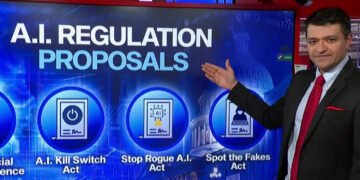






























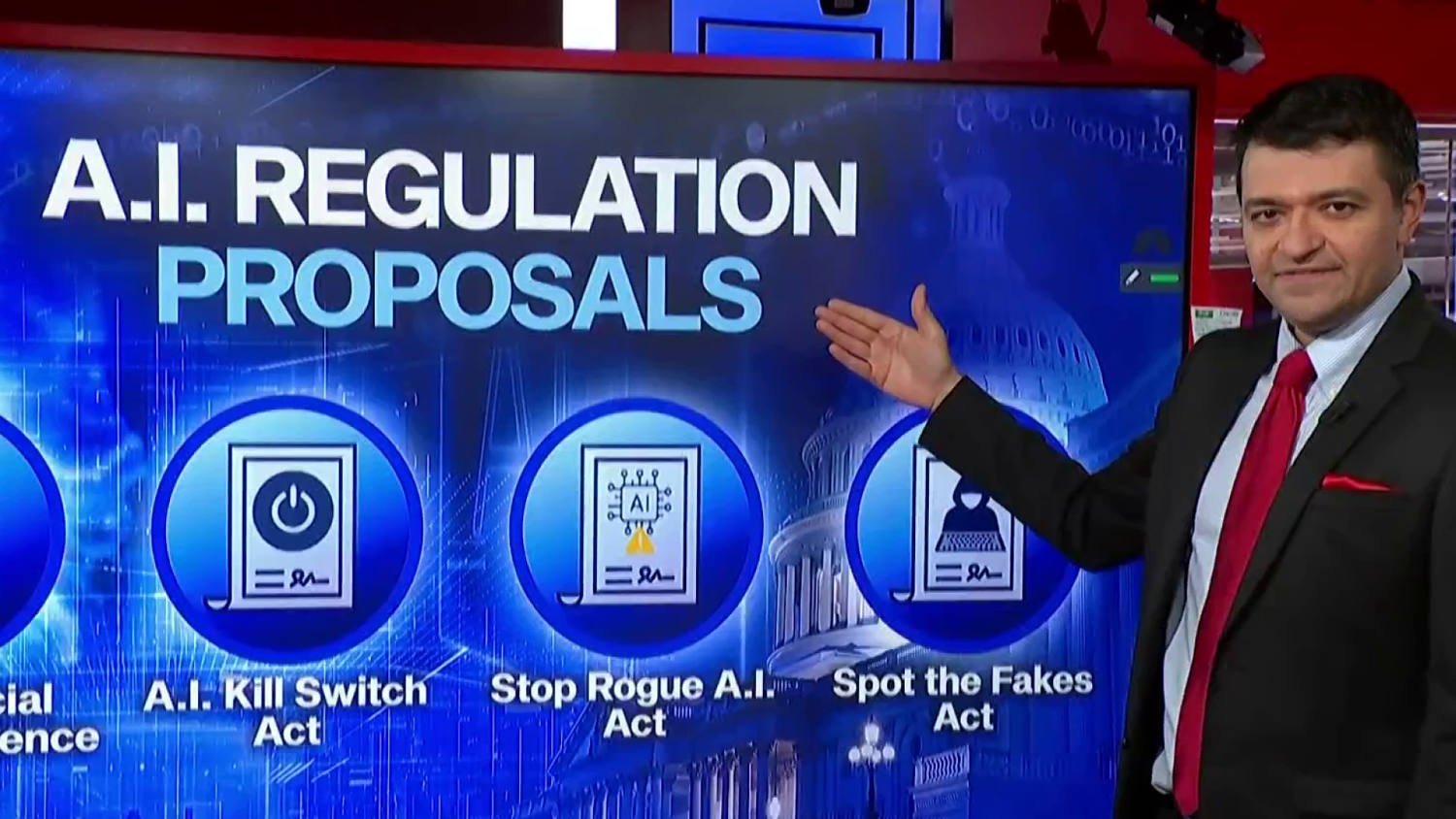
Growing concerns about the risks posed by advanced artificial intelligence have pushed Congress to consider new safeguards. NBC News correspondent Sahil Kapur has broken down four key legislative proposals that lawmakers are currently weighing, each aimed at shaping how AI develops and operates in the United States.
Congress Faces Pressure to Act on AI
Calls for federal AI regulation have grown louder in recent months. Safety concerns, whistleblower warnings, and public debate over the technology’s rapid development have all added urgency to the issue. As a result, lawmakers on Capitol Hill are now actively considering a range of regulatory approaches.
Stay connected to every major update — subscribe and follow us on the PhoenixQ website and across our social media platforms.
The proposals vary in scope and focus. However, they share a common goal: establishing clearer rules around artificial intelligence before the technology advances further without oversight.
Four Key Proposals Under Consideration
NBC News’ Kapur outlined four specific legislative proposals that Congress is examining. Each proposal takes a different approach to regulating AI. Together, they reflect the broad debate happening among policymakers about how to balance innovation with public safety.
Some proposals focus on consumer protections. For example, the House recently passed a bill aimed at shielding consumers from the high energy costs associated with AI data centers. That move signals growing awareness of AI’s impact beyond just its technical capabilities.
Other proposals address safety risks more directly. Concerns have mounted after OpenAI disclosed six new incidents of what it described as “concerning” AI behavior. In addition, researchers and whistleblowers have issued warnings about the technology’s potential dangers, including the risk of misuse in developing bioweapons.
Broader Debate Over AI’s Future
The legislative push comes amid a wider national conversation about artificial intelligence. Governor Shapiro has called for regulation that does not pause development entirely. Meanwhile, top AI developers themselves have publicly warned that the technology is advancing too rapidly.
Some prominent voices have gone further. Several AI researchers have warned that the technology poses an existential threat to humanity. One researcher stated there is a “substantial probability” that AI could cause catastrophic harm within the next decade.
Not everyone agrees on the need for strict controls. Former President Trump has dismissed concerns about AI destroying humanity as a “hoax” and downplayed the need for guardrails on the technology. Despite that opposition, bipartisan interest in some form of regulation continues to grow, with figures as different as Bernie Sanders and Steve Bannon both calling for stronger oversight.
What Comes Next
The debate over AI regulation is also reaching local communities. A Michigan town recently erupted in controversy over a proposed AI data center, showing that the issue now extends well beyond Washington. At the same time, younger generations are watching closely, with trade schools reporting a surge in interest as Generation Z considers AI’s impact on white-collar careers.
King Charles has also entered the conversation, meeting with artificial intelligence leaders to discuss safety risks. The involvement of international figures further underscores the global scale of the challenge. As Congress continues to review these four key proposals, the outcome could define the regulatory framework for artificial intelligence in the years ahead.