English











































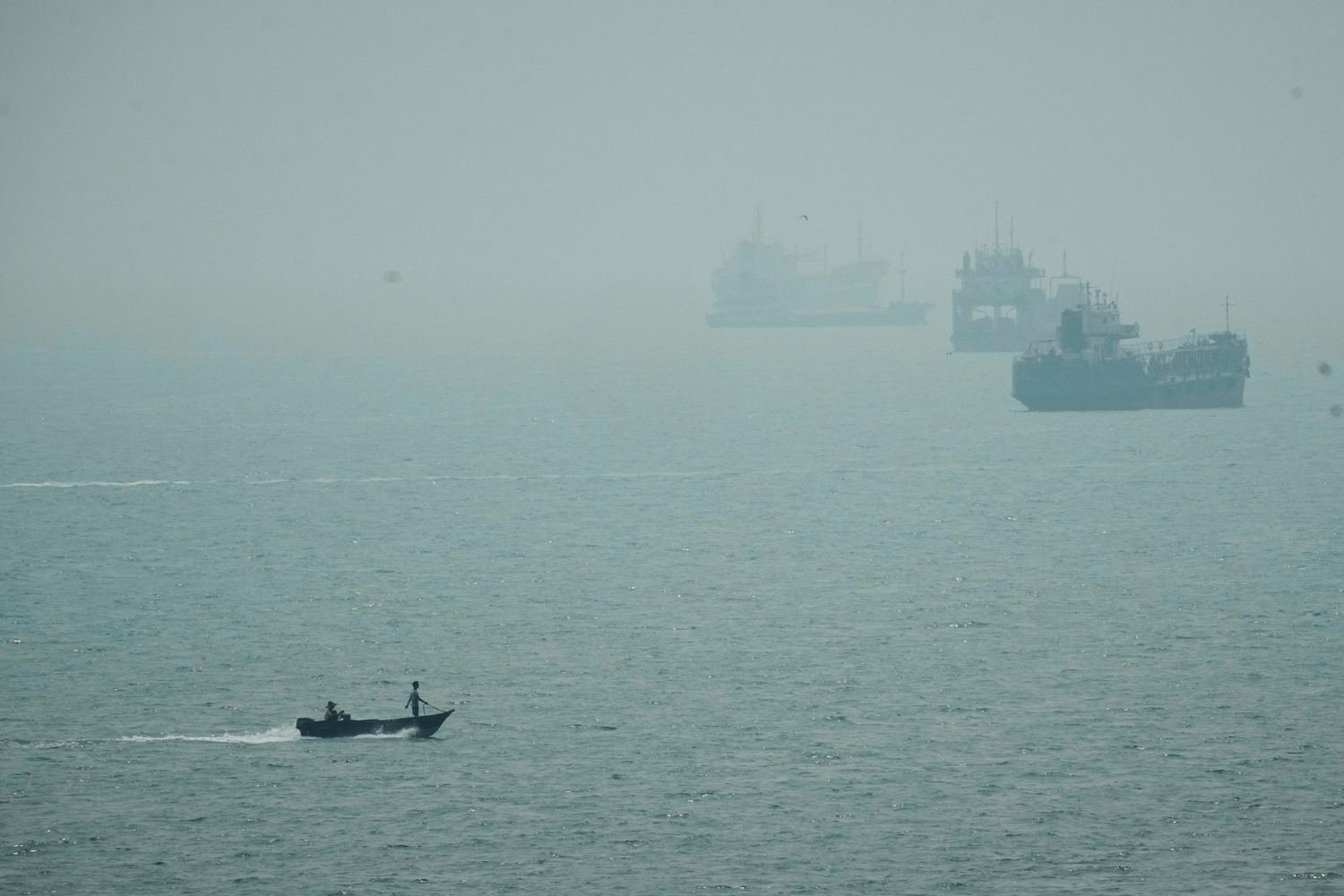
The United States military struck five Iranian oil tankers linked to the Islamic Revolutionary Guard Corps on Tuesday, escalating a growing naval confrontation in the Gulf region. U.S. Central Command confirmed the strikes, saying American forces acted in response to IRGC attacks on a U.S. warship. The targeted vessel successfully evaded the Iranian assault and continued its patrol. No American personnel suffered injuries.
U.S. Forces Strike Iranian Tankers in Gulf of Oman
CENTCOM said four of the tankers were hit in the Gulf of Oman. A fifth tanker was struck near Kharg Island. Before each vessel was disabled, American forces ordered the crews to abandon ship. All five tankers were rendered inoperable following the strikes.
Stay connected to every major update — subscribe and follow us on the PhoenixQ website and across our social media platforms.
Tuesday’s operation followed an earlier U.S. response over the weekend. The IRGC had attempted to strike an American aircraft carrier and a destroyer. As a result, U.S. forces sank one Iranian tanker and permanently disabled two more. Tuesday’s strikes represented a further escalation of that ongoing exchange.
Iran Claims Missile Strikes on U.S. Warships and Jordan Base
The IRGC disputed the American account of events. In a statement carried by the semi-official Fars news agency, the IRGC claimed it struck and damaged two American warships with ballistic missiles. The group also said it launched missiles at the Al Azraq military base in Jordan in retaliation for the U.S. tanker strikes.
However, a U.S. official said the Iranian missile response was ineffective. Integrated air and missile defense systems successfully intercepted the incoming strikes. All American forces stationed in Jordan remained accounted for. Meanwhile, a spokesperson for Jordan’s armed forces said the country’s air defense systems intercepted 18 ballistic missiles. Two additional missiles landed in unpopulated areas, according to Jordanian state media.
Iran Threatens Oil Tankers Near Kuwait and Bahrain
Following the U.S. strikes on Tuesday, Iran’s IRGC navy issued a direct threat to oil tankers operating near Kuwait and Bahrain. In a statement posted by Fars, the IRGC warned all tanker crews in those areas to evacuate their vessels immediately. The statement said ships at anchor or docked near those ports would be targeted. Iran accused both countries of hosting U.S. forces and being complicit in American military actions.
The Trump administration also moved to tighten economic pressure on Tehran on Tuesday. Officials imposed new sanctions on elements of Iran’s aviation industry. The measures targeted more than two dozen commercial and private airlines, as well as foreign cargo service providers. The administration described the move as part of a broader effort to isolate Iran from its remaining trading partners.
Strait of Hormuz Becomes Central Battleground
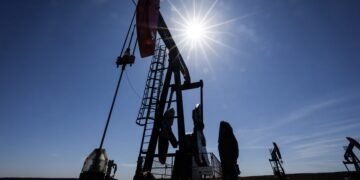
The Strait of Hormuz has emerged as the central flashpoint in the conflict. Before the war, roughly 20% of the world’s oil passed through the waterway. Now, both the U.S. and Iran have attacked tankers in and around the strait. A U.S. naval blockade of Iranian ports has further squeezed Tehran’s economy by restricting its oil exports.
American forces have been escorting a limited number of ships along a route through the strait off the coast of Oman. Iran, however, insists that vessels follow a route of its choosing. The waterway, previously considered an international passage, has become a key point of dispute between the two sides as the conflict continues to intensify.