English
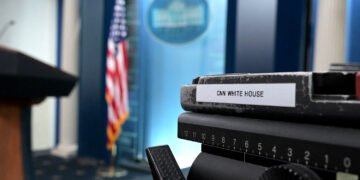





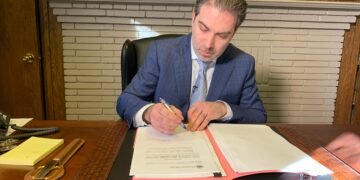



























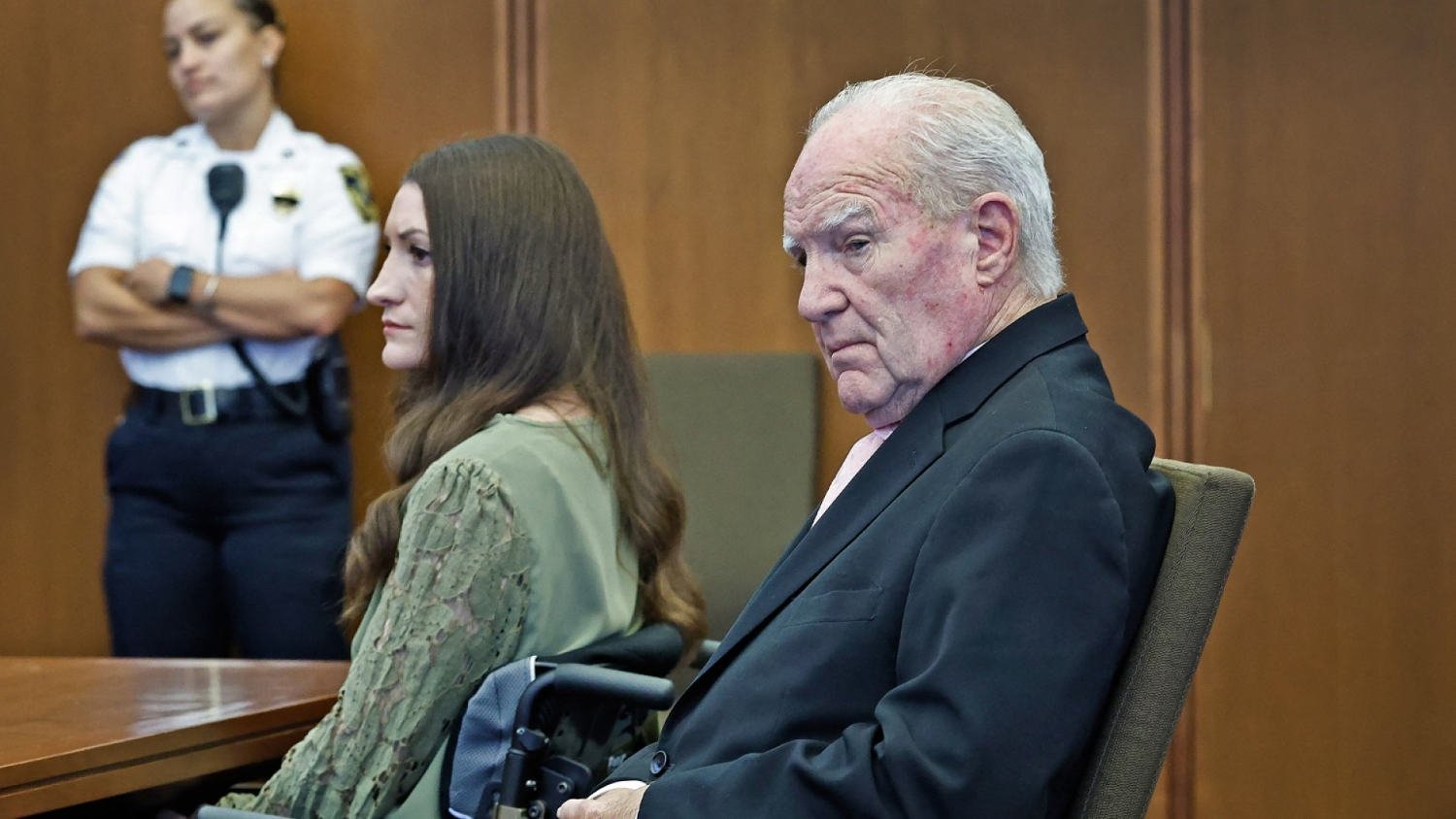
A Massachusetts judge declared a mistrial in the Lindsay Clancy murder case on September 4, 2026. The dramatic courtroom decision came after jurors failed to reach a unanimous verdict. Judge William Sullivan made the ruling following extended, deadlocked deliberations. The outcome leaves the case unresolved and raises major questions about the defendant’s future.
Jury Deadlock Ends Trial Without a Verdict The jury in the Lindsay Clancy trial could not agree on a unanimous decision. This breakdown prompted Judge Sullivan to declare a mistrial in the courtroom. Jurors deliberated at length and reviewed legal instructions on reasonable doubt. Defense attorneys asked to remove one juror to break the deadlock, but efforts failed.
Stay connected to every major update — subscribe and follow us on the PhoenixQ website and across our social media platforms.
The jury vote breakdown will shape legal strategy if prosecutors pursue a retrial. Legal analysts note that understanding how the jury divided helps both sides assess their positions.
Stay connected to every major update — subscribe and follow us on the PhoenixQ website and across our social media platforms.
Prosecution Vows to Continue Pursuing Justice Following the courtroom announcement, the district attorney’s office pledged to seek justice for the victims. Prosecutors did not immediately confirm a new trial date, but they stressed that the case remains active. A mistrial is not an acquittal, so the state retains full legal authority to retry Clancy.
Defense attorneys praised their client after the ruling. One lawyer called Clancy “brave” and described the case as deeply tragic.
Questions Remain Over a Potential Retrial Legal observers are watching closely to see if prosecutors bring Lindsay Clancy back to the courtroom. A retrial is legally permissible after a hung jury deadlock. However, prosecutors have not yet announced their timeline.
The high-profile trial drew intense national attention throughout the proceedings. In one incident, authorities charged a woman with witness intimidation for photographing jurors. Following the mistrial, Judge Sullivan thanked the jurors for handling such a difficult case.