English










































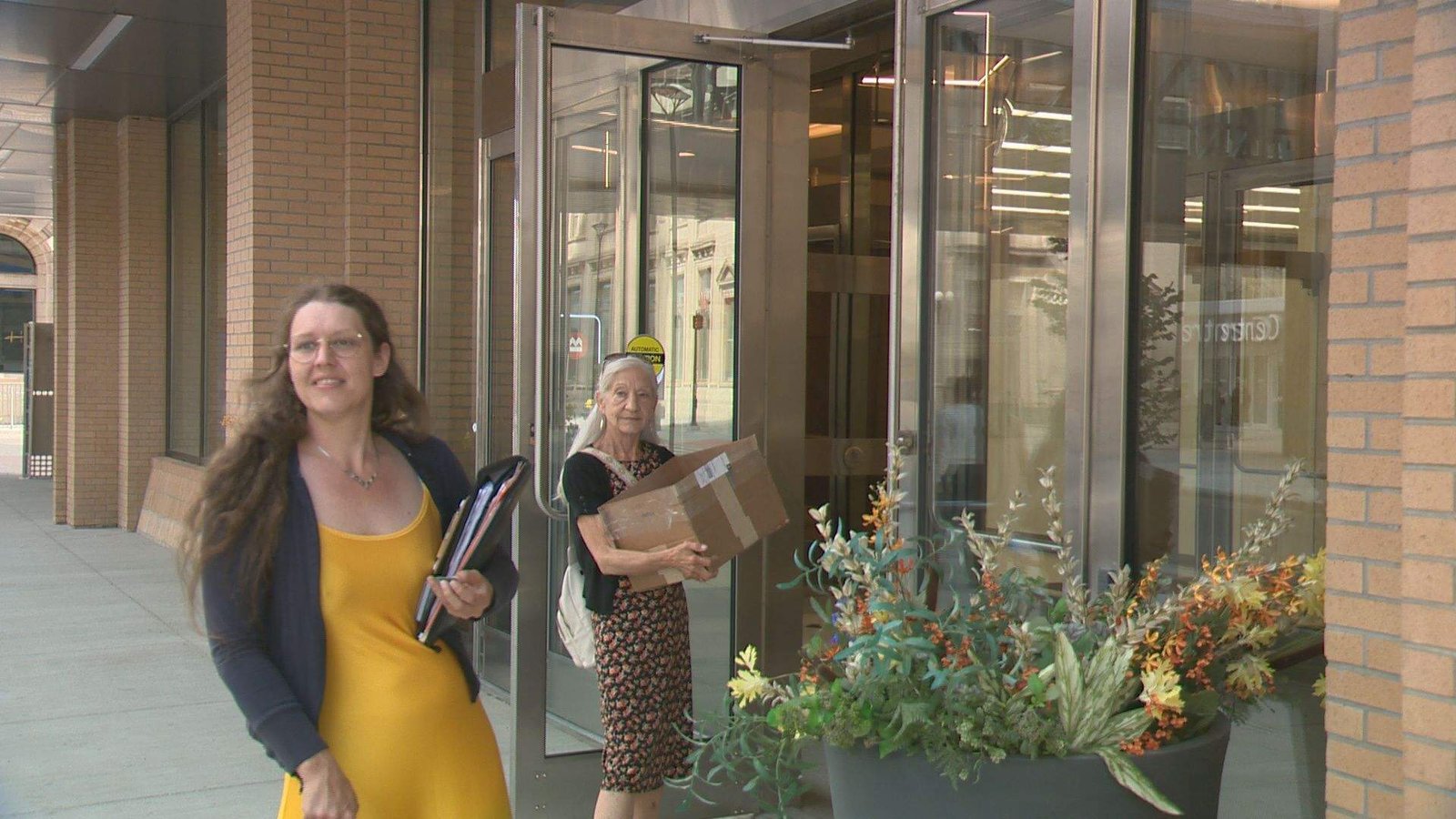
An Saskatchewan woman who lost her home while receiving provincial welfare payments has filed a complaint with the Saskatchewan Ombudsman, saying the Saskatchewan Income Support program leaves recipients without enough money to cover basic housing costs. Arkady Shaw, who lives near Zealandia with her spouse and two stepchildren, says the program’s payments are simply not designed to handle real-world housing emergencies.
Forced Into Debt After Landlord Sells Home
Shaw’s housing crisis began when her landlord decided to sell the property the family was renting. With no savings and limited income from SIS, she had no way to cover a security deposit or moving costs for a new home.
Stay connected to every major update — subscribe and follow us on the PhoenixQ website and across our social media platforms.
“On the SIS stipend, you’re only really given enough to pay your rent and buy some groceries,” Shaw said. “You’re not able to put together a security deposit. You’re not able to get moving funds.”
The family spent weeks without stable housing and relied on motel stays to keep a roof over the children’s heads. Shaw says she spent more than $3,000 on temporary accommodation last month alone and has accumulated nearly $5,000 in debt over the past two weeks to stabilize the family’s situation.
Shaw herself lives with idiopathic left-side weakness, and her spouse sustained a serious injury while working as a Red Seal gas fitter plumber. Both rely on ongoing medical care, which adds another layer of difficulty to their circumstances.
Remote Location Creates Additional Barriers
The family eventually secured a rental house in Neville, roughly 10 kilometres down back roads from the nearest services. Without a vehicle, Shaw says the remote location presents serious challenges for attending frequent medical appointments.
“Out here, if you don’t drive, you’re locked in place,” she said. “If we hadn’t been given a sweetheart deal on renting a house about 10 kilometres out the back roads, we wouldn’t have had a house at all.”
Shaw’s mother-in-law helped her travel to Regina to file a formal complaint with the provincial ombudsman. She alleges the province has repeatedly denied her access to additional benefits she believes she qualifies for. However, a documentation issue at the ombudsman’s office prevented her from submitting her complaint during that visit.
Experts Say Housing Affordability Is Pushing More People Into Crisis
Shaw’s situation reflects a broader pattern affecting welfare recipients across Saskatchewan, according to University of Saskatchewan professor Sarah Buhler.
“One of the biggest reasons for eviction is tenants falling behind on their rent and systemic issues,” Buhler said. “We all know that housing is getting very unaffordable and incomes are not keeping up.”
The provincial Ministry of Social Services defended the program in a written statement, saying SIS “helps people in need meet their basic needs while they become more self-sufficient and independent.” The ministry noted that SIS benefits have increased consistently over the past five years and that recent changes allow recipients to keep more income from gifts, e-transfers, employment earnings, and select federal benefits, including the Canada Groceries and Essentials Benefit and the Canada Disability Benefit.
Shaw Vows to Keep Fighting for Others in Similar Situations
Despite the setback at the ombudsman’s office, Shaw says she remains committed to submitting her complaint. She does not yet know when she will be able to return to Regina to do so in person.
Shaw says her goal extends beyond her own family. She wants her case to draw attention to the growing number of Saskatchewan Income Support recipients facing similar housing instability.
“I hope I can speak out loud enough for everyone in all of our situations right now,” she said, “because there are more of us every day.”