English














































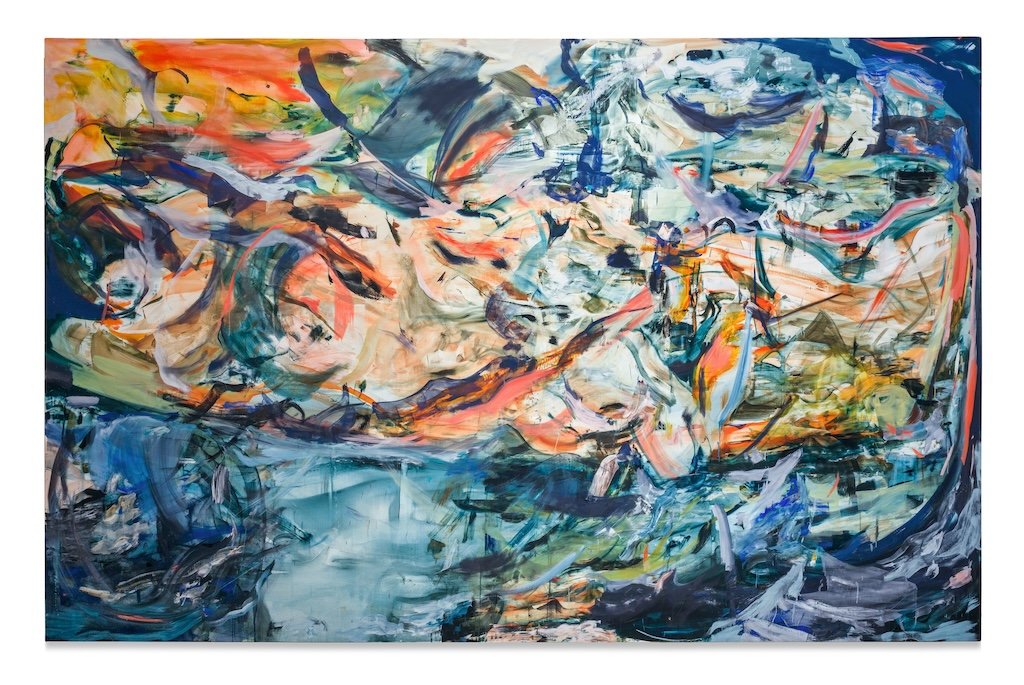
A last-minute ownership claim has thrown one of the art world’s most anticipated auctions into uncertainty. Sotheby’s is pushing back against a restitution demand from the heirs of Samuel Fischer, a Jewish publisher whose family fled Nazi Germany, over a Vincent van Gogh painting valued at $180 million and scheduled for sale on November 18.
The Claim and the Painting
The work in question is Châtaigniers en fleurs (1890), also known as Blossoming Chestnut Trees. It forms the centerpiece of the Blaquier-Arrieta collection, assembled by Argentine collectors Carlos Pedro Blaquier and Nelly Arrieta de Blaquier. The full collection of 12 Impressionist and Post-Impressionist paintings could bring around $450 million combined.
Stay connected to every major update — subscribe and follow us on the PhoenixQ website and across our social media platforms.
The Fischer heirs argue the family sold the painting under financial duress caused by Nazi persecution. Their lawyer, Gunnar Schnabel, challenged Sotheby’s to prove the family received fair market value and would have sold the work regardless of Nazi pressure. He also stated his client was prepared to pursue a resolution under the Washington Principles, the internationally accepted guidelines for handling Nazi-era art claims.
Sotheby’s says it first heard from the Fischer heirs on November 12. The New York Times published the story the following evening. By then, the auction had been publicly advertised for over six weeks, with only five days remaining.
The 1936 Sale in Amsterdam
Sotheby’s disputes the claim that the sale involved duress. The auction house says archives from art dealer Paul Cassirer confirm the painting sold in June 1936 for 68,000 Swiss francs, roughly $22,000 at the time. Sotheby’s considers that a strong price for a van Gogh in that period.
The painting’s provenance shows the Fischer family placed it with Cassirer’s Amsterdam gallery in 1932 or 1933. It remained on consignment for nearly three years and traveled to Rotterdam and Bern for exhibitions before selling. The Netherlands was outside Nazi control at the time.
Luke Nikas, a lawyer representing Sotheby’s, said the van Gogh sold to an independent buyer at fair market value. He also noted the family retained other paintings after the 1936 sale. Those were the works the Nazis later confiscated. Furthermore, a postwar brochure published by Gottfried Bermann Fischer listing paintings the family sought to recover does not include the van Gogh.
Legal Questions Around Duress
The central legal question is whether a sale conducted outside Nazi Germany, to an independent buyer, and at a competitive price still qualifies as a forced sale. Nikas pointed to two relevant court cases involving Picassos sold by Jewish families during the Nazi era. In both Zuckerman v. Metropolitan Museum of Art and Bennigson v. Solomon R. Guggenheim Foundation, courts ruled that economic pressure from Nazi persecution alone did not establish legal duress when the buyer played no role in that pressure.
However, Congress amended the Holocaust Expropriated Art Recovery Act in April, eliminating the laches defense that previously allowed courts to dismiss claims based on delays in filing. New York art lawyer Judd Grossman, who is not involved in this case, said the change significantly favors claimants. “The pendulum has swung dramatically in favor of claimants,” he told ARTnews.
Meanwhile, the Blaquier family said it welcomes dialogue with the Fischer heirs and supports efforts toward a mutually satisfactory resolution. Sotheby’s confirmed the painting remains scheduled for sale. Whether any agreement emerges before auction night is still unclear.