English












































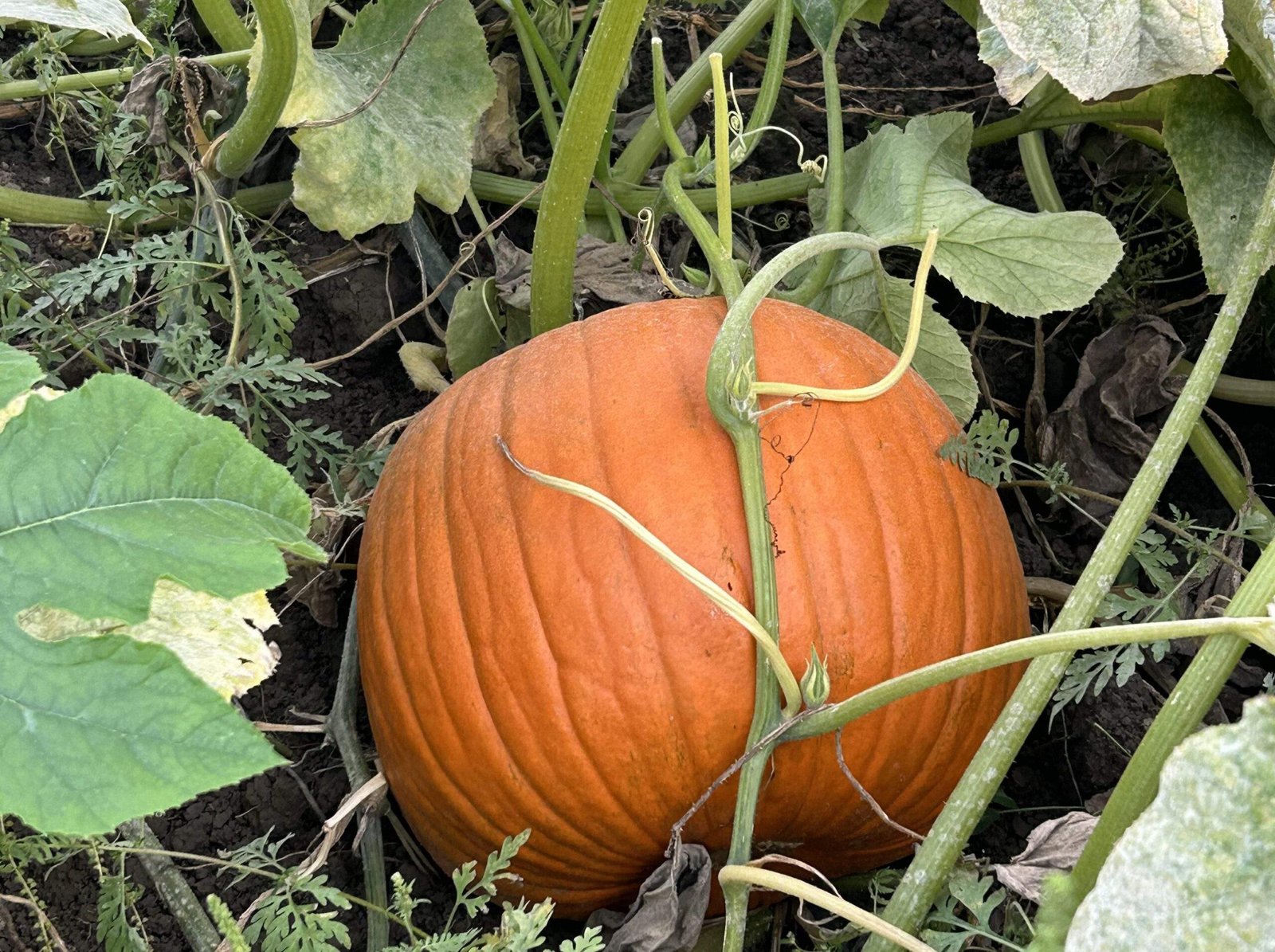
Severe weather is hitting pumpkin farms across Canada hard this season, with growers reporting damage from hailstorms, heavy rain, drought and extreme heat. Farmers in multiple provinces say the conditions have damaged crops, disrupted growing timelines and made it nearly impossible to predict what their harvests will look like by Thanksgiving and Halloween.
The challenges vary widely by region. However, a common theme has emerged: unpredictable and intense weather events are making one of Canada’s most visible fall crops increasingly difficult to manage.
Stay connected to every major update — subscribe and follow us on the PhoenixQ website and across our social media platforms.
Hail and Heavy Rain Hit Ontario Farms
In Port Perry, Ontario, Jordan Mackay watched a severe hailstorm tear through his family’s Willowtree Farm on August 8. The storm destroyed more than 300 acres of crops in roughly 10 minutes. “We lost our pumpkins, tomatoes, lots of strawberries,” Mackay told Global News. His family also operates Pingle’s Farm Market and Nature’s Bounty Farm.
“We’ve had hail before, but not wiping out all the crops to that devastating effect,” he said. The storm affected only a few country blocks, highlighting just how localized the damage can be.
The family’s other farms avoided the hail. However, persistent heavy rainfall through August then began causing problems at their Oshawa-area property. Wet conditions can trigger fungal diseases in pumpkin vines and roots, and prolonged moisture can cause the pumpkins themselves to rot. “I was just in the patch yesterday walking around, and we saw a lot of powdery mildew,” Mackay said. He also noted that some pumpkins had already started rotting due to weeks of heavy rain.
Despite the losses, Mackay said his family expects to have enough pumpkins for customers this fall. Because they grow across three locations and produce more than they need, visitors should see little difference. “We’ll have a reduced pumpkin crop at Pingle’s, but still lots for pick-your-own and for customers purchasing directly from the farm,” he said.
Niagara Region Faces Delayed and Reduced Yields
Similar uncertainty is affecting farms in the Niagara Region. Donna Warner, who has farmed for about 40 years and co-owns Warner Ranch and Pumpkin Farm in Niagara Falls, says her pumpkins are developing later and in smaller numbers than usual.
“The ones I have are beautiful. But again, there’s not as many,” she told Global News. Warner believes heavy rain may have disrupted pollination at a critical point in the growing season. She faced similar conditions last year, when pumpkins kept ripening well past their usual selling window. “Last year, my field was orange in November,” she said, adding that pumpkins “don’t sell in November.”
Her farm avoided the flooding and hail that struck other parts of Niagara this year, leaving her cautiously hopeful. Still, Warner acknowledged that farmers can only do so much. “We’re at the mercy of Mother Nature,” she said. She suggested that growers may need to adapt by adjusting planting dates, irrigating during dry spells and staggering plantings to reduce the risk of losing an entire crop at once.
Extreme Heat Accelerates Growth in British Columbia
In British Columbia’s Okanagan region, the problem is different. Extreme heat and drought have pushed some pumpkins through their growing cycle far ahead of schedule. At McMillan Farms in Kelowna, some pumpkins were ready roughly two to three weeks early this year.
“This year, because of the heat that we’ve had, it’s been pretty consistent, you know, day and then into the evening, so a lot of the pumpkins have been growing really well,” said farm owner Ron McMillan. Some varieties that typically take around 90 days to mature reached that point in roughly 45 days.
Deborah Buszard of the University of British Columbia’s Okanagan campus explained the science behind this. “When you have heat and drought stress, it tends to push plants to go to maturity more quickly,” she said.
Prairies and Alberta Also Struggle
On the Prairies, weather uncertainty has also disrupted the fall season. Black Fox Farm and Distillery near Saskatoon stopped growing pumpkins entirely last year after dealing with unpredictable yields. “One year we got completely frozen out, had no pumpkins at all,” said co-founder John Cote. The financial risk is especially high for farms that rely on pumpkin patches as fall visitor attractions, since operators must prepare well before knowing how the crop will turn out.
In Alberta, an unusually wet summer has created further problems. At Somerset Farms in Parkland County, co-owner Kate de Windt said the season has been particularly difficult. “This has been a really rough year for us,” she said. “Our crops are about a month behind, and as most people in Alberta know, frost can come very easy and early.” Some Alberta farms are considering bringing in pumpkins from outside the region to meet demand.
Meanwhile, not every farm has struggled. At Springridge Farm in Ontario, a cooler and wet spring delayed planting slightly. However, heat and rain later in the season ultimately helped the crop. “Lots of pumpkins and good size due to all the rain,” farmer John Hughes told Global News.
Overall, growers say Canadians should not expect a widespread pumpkin shortage this fall. Instead, the bigger concern is the growing unpredictability of weather from one season to the next. The Ontario Federation of Agriculture stressed the importance of supporting local farmers during these challenging conditions. “Whether you’re shopping at a grocery store, farmers’ market or farm stand, take a closer look at where your food comes from,” said Tracey Arts of the OFA. “This is why it is so incredibly important that we protect our farmland and our ability to grow and raise as much food as we possibly can right here at home.”