English







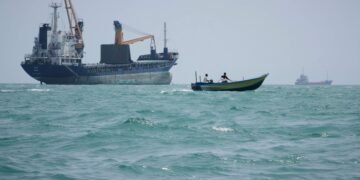
































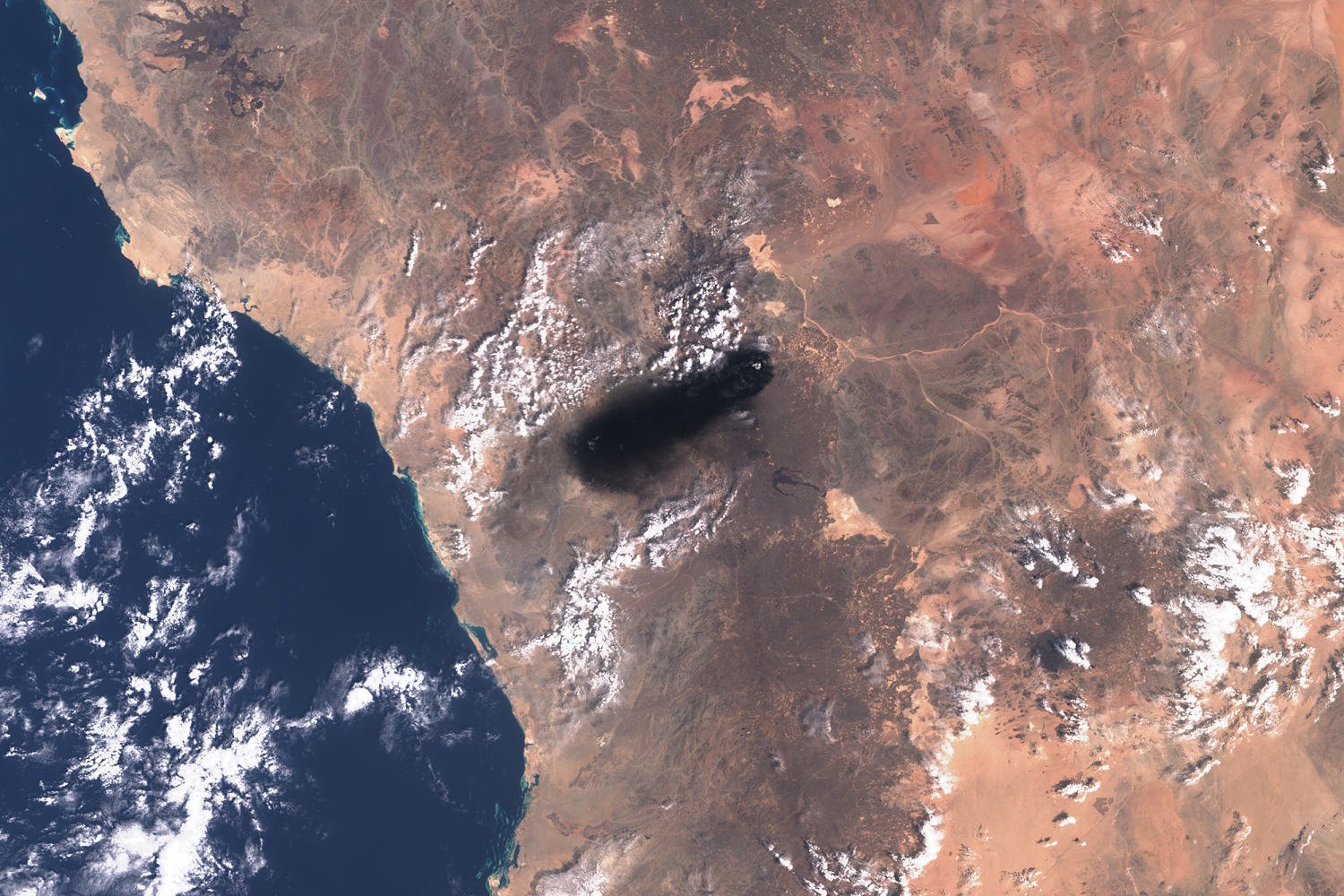
Saudi Arabia shut down its major East-West oil pipeline on Friday after drone strikes originating from Iraq caused damage and injuries, adding fresh pressure to global energy supplies already strained by escalating conflict across the Middle East. The 745-mile pipeline had been carrying an estimated 4 to 5 percent of global oil supplies, according to Reuters.
The Saudi Energy Ministry confirmed the shutdown and said its teams were taking necessary measures to secure the pipeline and assess its safety. The attack resulted in a number of injuries, the ministry added. Saudi Arabia said it would not retaliate immediately, following a request from Iraq’s prime minister, but reserved the right to protect its sovereignty and critical infrastructure.
Stay connected to every major update — subscribe and follow us on the PhoenixQ website and across our social media platforms.
Iraq Responds After Drone Attacks Traced to Its Territory
Investigations confirmed the drone strikes on the Saudi pipeline originated from within Iraq. As a result, Iraq dismissed a senior military commander early on Saturday. Iraq also closed two key border crossings with Iran, the country’s state-run news agency reported.
Kuwait condemned the pipeline attack as a “dangerous escalation that undermines the security and stability of the region.” Bahrain similarly backed Saudi Arabia’s right to take all necessary measures to protect its sovereignty.
U.S. President Donald Trump addressed the situation during a visit to Ireland on Saturday, saying everything would “work out just fine.” Without providing evidence, Trump also suggested Iran was “probably” behind the attack.
Houthi Forces Seize Strategic Red Sea Positions
The pipeline strikes coincided with significant Houthi military advances in Yemen. Rebel Houthi forces captured Perim, an island located in the Bab el Mandeb Strait. That strait serves as a critical gateway to the Red Sea trade route connecting Europe and Asia.
The Houthis also seized the historic port city of Mocha this week. They then advanced on the strategic coastal town of Dhubab. Forces aligned with the internationally recognized Yemeni government appeared to withdraw from Perim, also known as Mayun.
In response, Yemen’s Ministry of Defense said on Saturday it had carried out counterattacks against Houthi targets, striking militants, vehicles and weaponry. Meanwhile, a Houthi statement issued on Friday declared that maritime navigation remained safe for all vessels except Saudi ships, vowing to continue striking Saudi targets until what it called an aggression and blockade ended.
Trump said the Houthis had contacted the U.S. to indicate they did not want to fight and would prefer the U.S. stay out of the conflict.
Energy Markets React as Analysts Warn of Wider Consequences
Oil prices climbed above $100 a barrel by the end of the week, their highest level since mid-May. The surge followed the combined impact of the pipeline shutdown and the Houthi advances along the Red Sea coast.
The Saudi East-West pipeline had served as an alternative route for crude exports, allowing Saudi Arabia to bypass the Strait of Hormuz. That strait, through which roughly 20 percent of the world’s oil previously passed, had already been disrupted following U.S. and Israeli military action against Iran in late February. Saudi Arabia had therefore been relying heavily on the Red Sea route. Houthi control over that coastline now threatens to cut off that alternative as well.
Fawaz Gerges, a professor of international relations at the London School of Economics, told NBC News that effective Houthi control over the Red Sea coast was “a game changer.” He said it could give Iran powerful new leverage in its conflict with the United States. “Far from being really besieged and bleeding, Iran now could easily increase the pain to the U.S. economy and the world economy,” Gerges said.
He also noted it remained unclear whether the Houthis could sustain control over such a large stretch of coastline or had overextended themselves. However, he argued the Trump administration now faced a much harder position. “It gambled that the blockade of Iran would force Iran to accept Trump’s conditions,” he said. “The reverse has happened.”
Iran’s President Masoud Pezeshkian announced on Saturday that Iran would sign an agreement with Oman on Monday over a joint navigation route through the Strait of Hormuz. Iran has previously stressed that the deal alone would not immediately reopen the waterway without a broader agreement with the United States.
The U.S. military is also helping Saudi Arabia develop and coordinate targets inside Yemen, according to a U.S. official and a person familiar with the matter. Saudi Crown Prince Mohammed bin Salman has urged President Trump to take direct military action against the Houthis. The two leaders discussed the escalating situation at least twice within a 24-hour period, a person familiar with the conversations said on Friday.
The United Nations’ International Organization for Migration warned on Friday that at least 46,000 people had been displaced in Yemen since fighting intensified the previous week. The figures covered the West Coast and Taiz governorates as of Thursday, with displacement numbers rising rapidly. The organization called on all parties to guarantee safe humanitarian access and to protect civilians, aid workers and assets on the ground.