English














































Saskatchewan’s provincial deficit has reached $825 million during the first quarter of 2026-27. The figure slightly exceeds the $819 million shortfall projected in March.
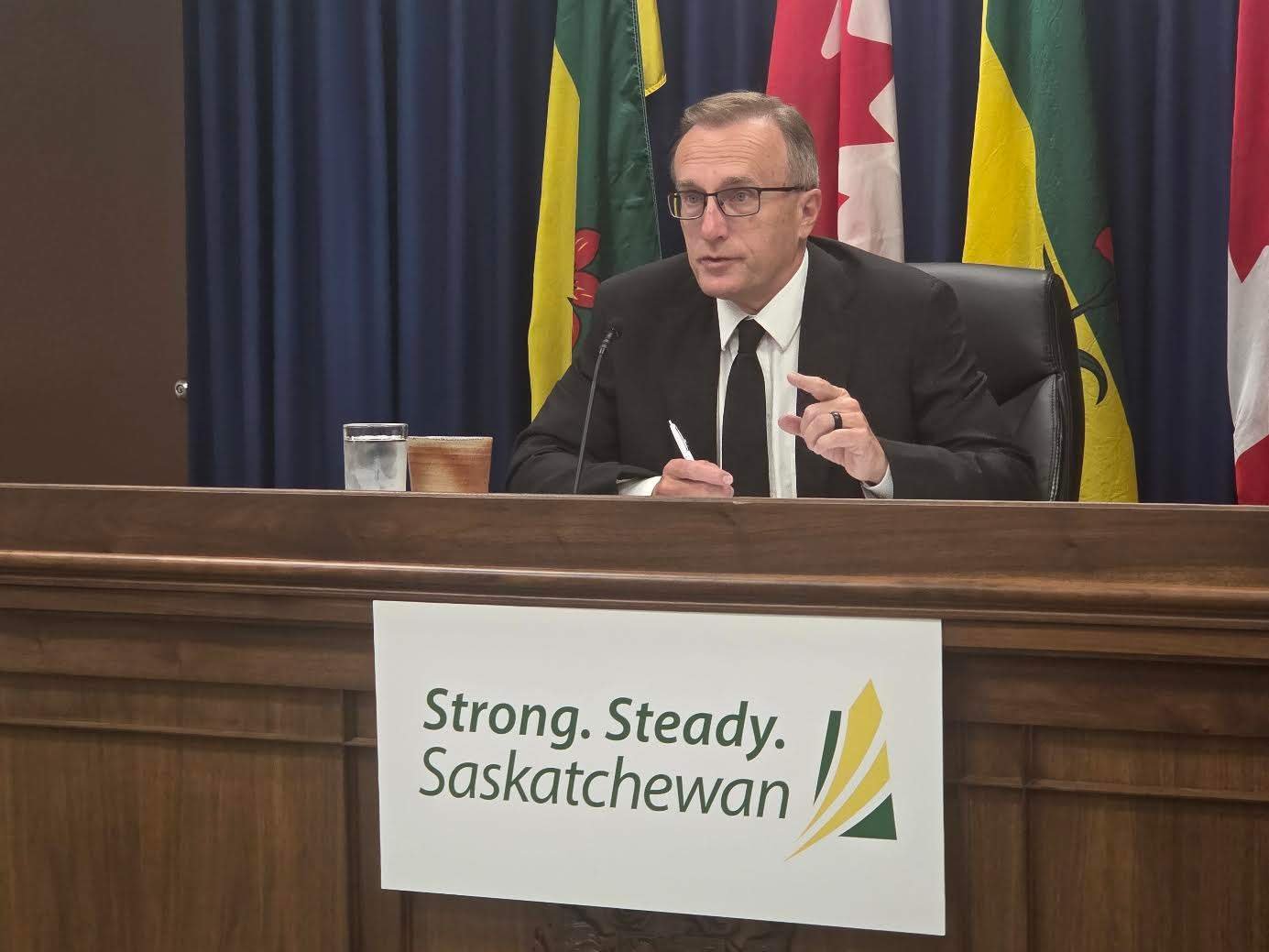
Finance Minister Jim Reiter acknowledged the increase while defending Saskatchewan’s economic position. He said the province continues to benefit from strong economic fundamentals.
However, higher oil revenues failed to cover rising government expenses. The latest figures show how quickly unexpected costs can affect Saskatchewan’s fiscal outlook.
Oil Revenue Surges Above Budget Forecast
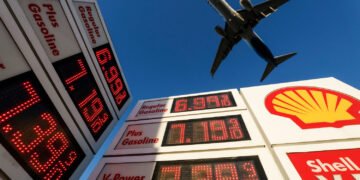
Saskatchewan collected $331 million more revenue than the government expected in March. Higher oil prices accounted for much of the increase.
The government raised its West Texas Intermediate forecast to US$75 per barrel. The original budget had assumed an average price of US$59.75 per barrel.
Officials linked part of the increase to ongoing conflict in the Middle East. Global tensions have influenced energy markets and pushed crude prices higher.
Nevertheless, the additional revenue could not fully offset higher spending. Total expenses exceeded the original budget projection by $337 million.
Stay connected to every major update — subscribe and follow us on the PhoenixQ website and across our social media platforms.
Health Care and Flooding Drive Costs
Health care represented one of the province’s largest spending pressures. Rising demand for health services increased costs beyond the original forecast.
Spring flooding also added significant financial pressure. Northeastern Saskatchewan faced particularly serious effects from excessive water and flooding.
Agricultural losses created another challenge. The province recorded an additional $24 million in unseeded crop insurance claims.
Excess moisture disrupted planting across parts of Saskatchewan. Major hailstorms also increased financial pressure on the provincial government.
Consequently, spending growth slightly exceeded the increase in revenue. That difference pushed the projected deficit to $825 million.
U.S. Tariffs Affect Several Industries
Reiter said Saskatchewan has largely weathered U.S. trade tensions and wider geopolitical uncertainty. However, he acknowledged that several industries have faced serious challenges.
Manufacturing, forestry and honey producers have experienced direct effects from U.S. tariffs. Reiter said some industries have faced particularly severe impacts.
“At certain industries, they’ve been hit very hard,” Reiter said. “But most have not been hit.”
He described Saskatchewan as fortunate compared with regions facing broader economic damage from trade tensions.
Saskatchewan Debt Outlook Improves
Despite the larger deficit, Saskatchewan expects its debt position to improve. The province projects a net debt-to-GDP ratio of 14.9 percent by March 31, 2027.
The figure represents an improvement from the 16.1 percent ratio projected in the original budget. Saskatchewan also expects to maintain the second-lowest ratio among Canadian provinces.
Therefore, the latest fiscal update presents a mixed picture. The province faces higher spending, but stronger resource revenues and an improved debt ratio provide some support.
NDP Calls for Affordability Measures
Saskatchewan NDP finance critic Trent Wotherspoon criticized the government’s response to higher oil revenues. He argued that the province should use additional revenue to help families manage rising costs.
Wotherspoon said the government continues to increase debt without providing meaningful affordability relief. The NDP renewed calls to pause the gas tax.
The opposition also wants Saskatchewan to remove provincial sales tax from children’s clothing. Wotherspoon cited rising costs for food, housing and fuel.
Reiter rejected the criticism and pointed to tax measures from the March budget. He highlighted permanent personal income tax reductions for Saskatchewan residents.
The minister also cited enhanced tax credits and indexed tax brackets. He said those measures will provide about $200 million in tax savings during 2026-27.
Fiscal Pressures Continue
The Saskatchewan deficit now reflects several competing economic forces. Stronger oil prices have boosted revenue, while health care and weather events have increased spending.
At the same time, trade tensions continue to create uncertainty for several industries. Agricultural losses have added another layer of financial pressure.
For now, the province maintains that its economic fundamentals remain strong. However, the first-quarter figures show the challenges facing Saskatchewan as the fiscal year continues.