English
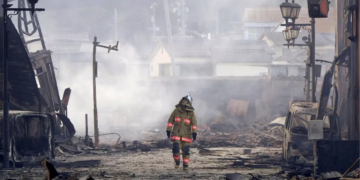


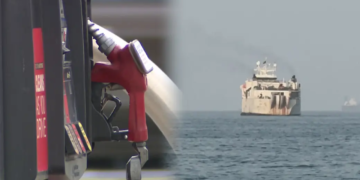


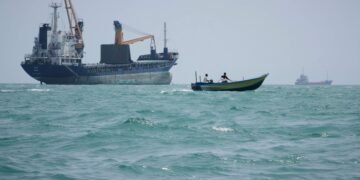






























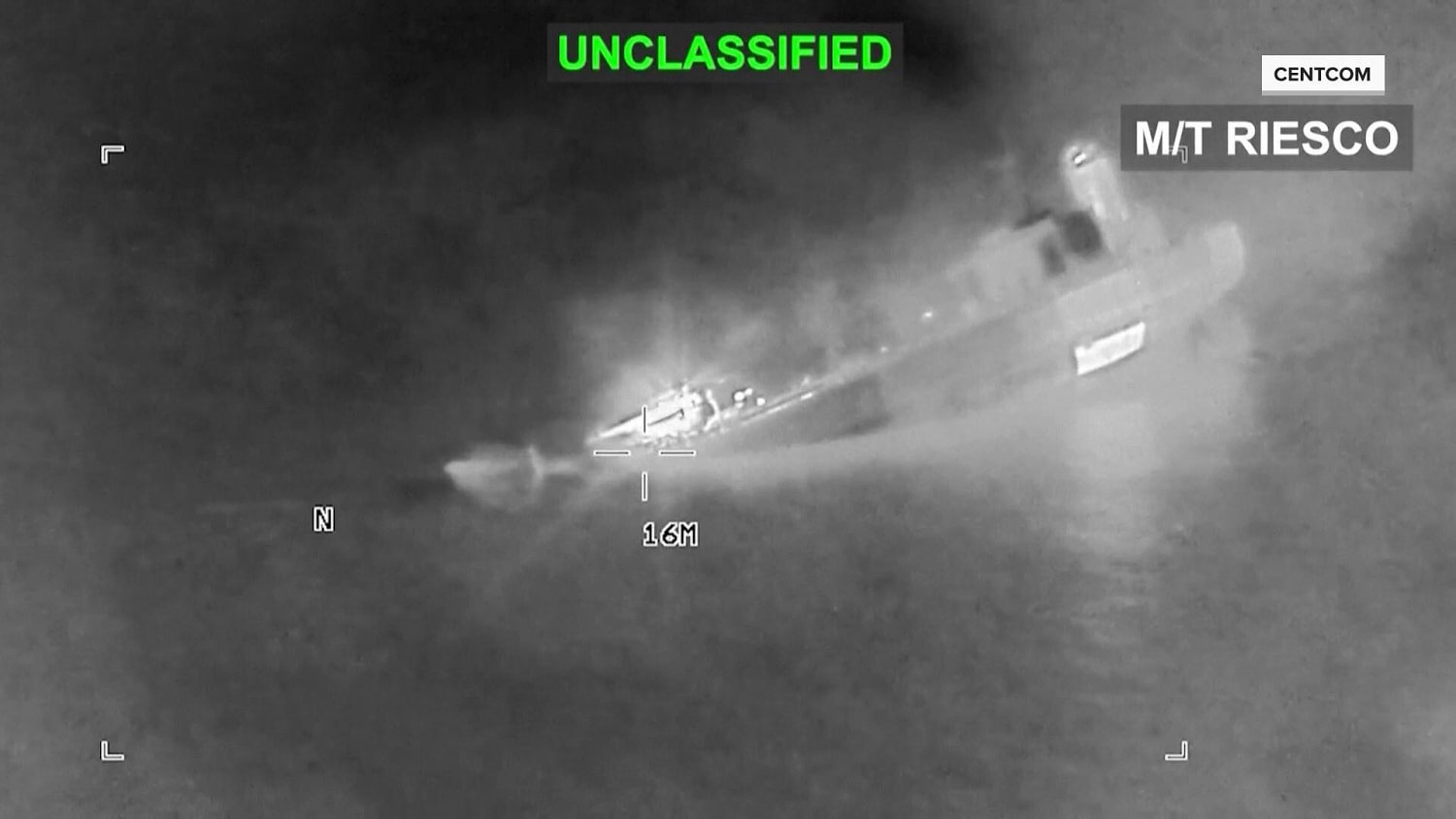
The United States military struck five Iranian oil tankers in the Gulf of Oman on September 9, 2026, in a direct response to an Iranian attack on an American warship. The strikes mark a significant escalation in hostilities between the two countries and have already sent oil and gas prices sharply higher around the world.
US Forces Target Iranian Tankers After Warship Attack
American forces destroyed all five tankers following the Iranian strike on a US naval vessel. The military action signals a major shift in the ongoing confrontation between Washington and Tehran. Officials have not yet released details about casualties or the specific location of each vessel within the Gulf of Oman.
Stay connected to every major update — subscribe and follow us on the PhoenixQ website and across our social media platforms.
The exchange of strikes represents one of the most serious military escalations between the United States and Iran in recent years. Both nations have long maintained tense relations, but direct attacks on military and commercial vessels raise the stakes considerably. Analysts warn that further retaliation from either side remains a real possibility.
Oil and Gas Prices Spike on Escalating Tensions
Global energy markets reacted swiftly to the news. Oil and gas prices surged as traders responded to the threat of further disruption in one of the world’s most critical shipping corridors. The Gulf of Oman sits at a strategic chokepoint for international oil supply, and any prolonged conflict in the region could drive prices even higher.
The price spike adds further pressure to consumers and businesses already dealing with elevated energy costs. Meanwhile, the situation continues to evolve rapidly, with no immediate signs of diplomatic de-escalation between Washington and Tehran.
Trump Threatens Canada Import Bans Amid Broader Tensions
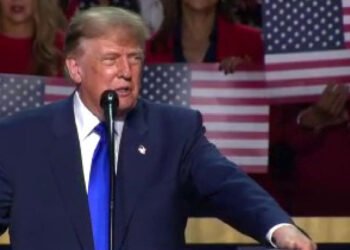
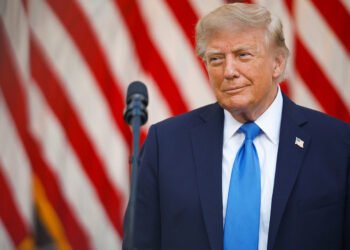
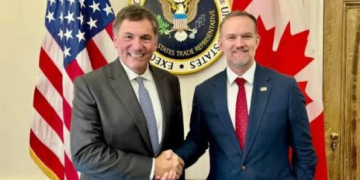
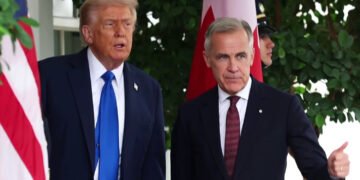
The military confrontation with Iran is not the only international pressure point for the White House. President Donald Trump also threatened to ban certain food and alcohol imports from Canada, adding a trade dimension to an already complex foreign policy landscape. The threat against Canada comes at a particularly sensitive moment, as the administration simultaneously manages an active military conflict in the Gulf region.
Together, the two developments reflect a period of heightened tension across multiple fronts for US foreign and trade policy. The situation in the Gulf of Oman remains the more urgent concern for now. Governments and energy markets around the world are closely watching for any further military or diplomatic moves between the United States and Iran.