English






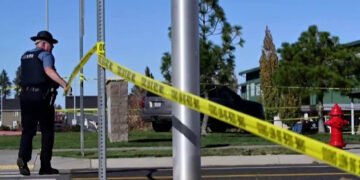









Calgary city officials have deployed artificial intelligence to rank more than 17,000 intersections by pedestrian risk, producing a list of the 50 most dangerous locations across the city. However, only 26 of those sites are currently recommended for safety improvements, leaving the fate of the remaining locations uncertain.
How the AI System Ranked Calgary’s Intersections
City administration used Calgary’s AI platform to assign a risk score to each of the more than 17,000 intersections assessed. The resulting top-50 list covers locations that lack existing traffic signals such as rectangular rapid flashing beacons, with risk scores ranging from 93.55 to 99.02.
Stay connected to every major update — subscribe and follow us on the PhoenixQ website and across our social media platforms.
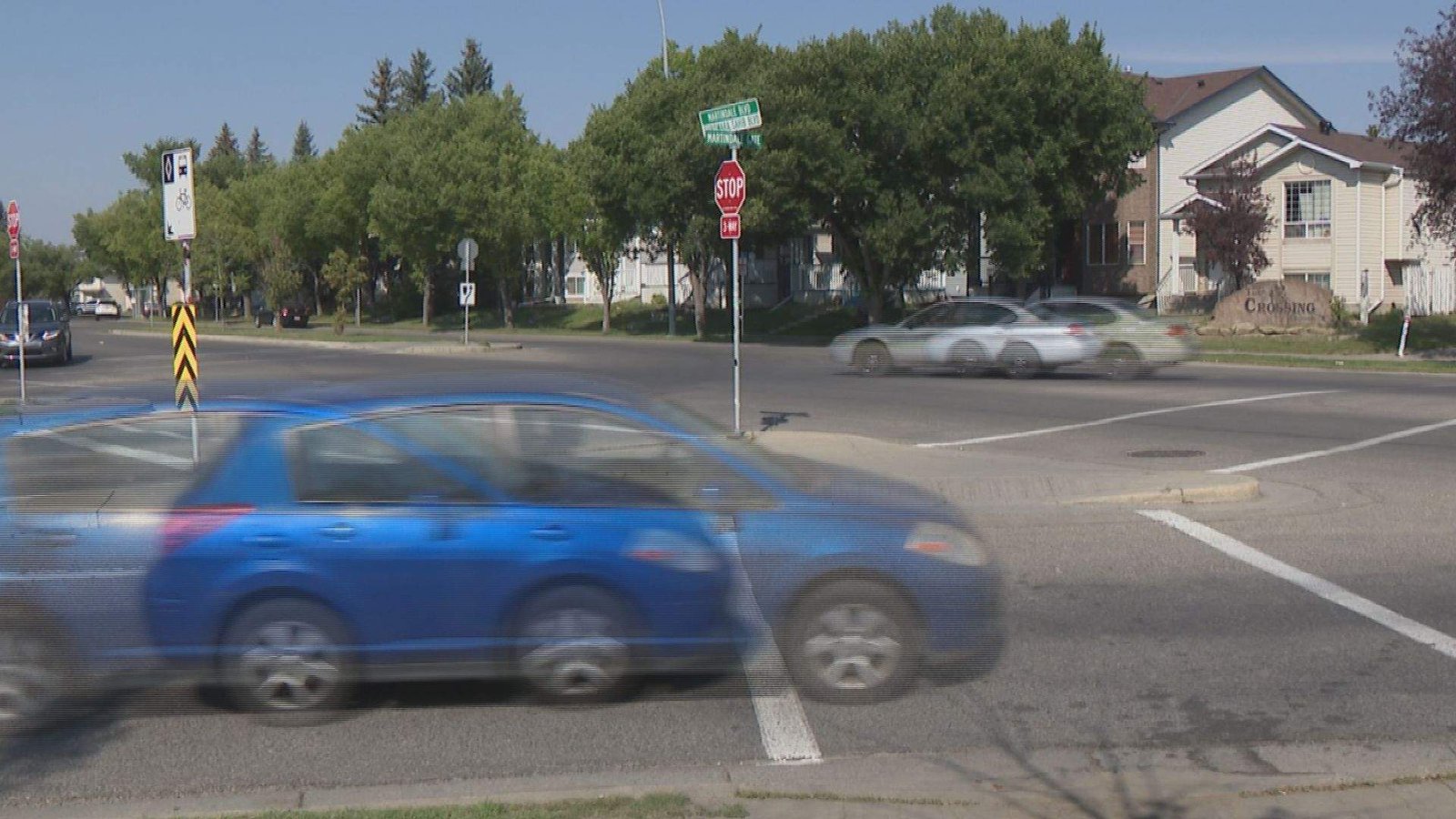
The intersection of Martindale Boulevard and Martindale Gate N.E. received the highest risk score on the list. Falshire Drive and Falton Drive N.E. ranked second, scoring 98.54.
Many of the flagged intersections fall short of what the city calls “conventional warrant” thresholds — the standard criteria used to justify upgrades such as traffic signals, overhead flashers, or curb bump-outs. Those thresholds rely on factors including traffic volumes, pedestrian counts, roadway geometry, and posted speed limits.
Council Questions AI Methodology
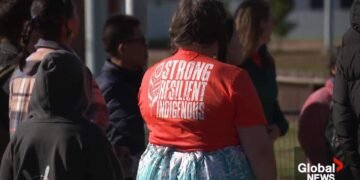
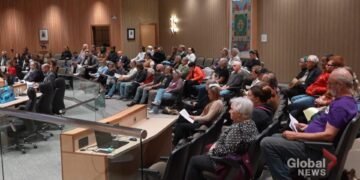
Ward 5 Councillor Raj Dhaliwal said the results surprised him. Four of the top-10 highest-risk intersections fall within his ward. He told Global News he questioned the findings when he considered the Martindale intersection specifically.
“Every time I drive by there, I see less pedestrian traffic,” Dhaliwal said. “I was asking myself, is there something missing from my assessment?”
Dhaliwal expressed broader support for data-driven decision-making but said he wants greater transparency about the process. “I’m all for empirical evidence telling me these things need to be upgraded,” he said. “But at the same time, I want to know why, how and what.”
Other council members have also raised questions about the AI modelling, including the inputs and prompts used to generate the risk scores. The report acknowledges there “may be public scrutiny” around the city’s use of AI, but notes that all recommended improvements received review and validation through professional engineering judgment and technical assessment.
Cost Estimates and Budget Timeline
The 26 intersections recommended for pedestrian safety upgrades carry a combined estimated cost of approximately $6 million. The report, scheduled for presentation at the Community Development Committee on Tuesday, stops short of requesting a financial commitment at this stage.
City administration indicated it could incorporate the pedestrian safety upgrades into the next four-year budget. If council approves additional funding during November budget discussions, design work could begin in 2027, with construction starting in 2028.
The report also suggests administration could “proactively advance improvements” with extra funding, rather than waiting for future traffic counts, collision data, or studies to justify action under traditional processes.
Pedestrian Safety Concerns Drive Urgency
The push to act comes against a troubling backdrop. Last year, 15 people died on Calgary’s streets. So far this year, six people have lost their lives, and another 283 pedestrian-related incidents have resulted in injuries.
Alex Gaio, an associate principal at Leading Mobility, described the city’s use of AI as “innovative,” pointing to the enormous volume of data involved. “We have a lot of data — the city updates its hotspot map every 10 minutes,” he said. “The volume we get is overwhelming for people to deal with, and we’re racing against risk.”
Dhaliwal framed the issue in direct terms. “If we really care about the safety of our residents, pedestrian safety, motor vehicle safety — then let’s put our money where our mouth is,” he said.