English












































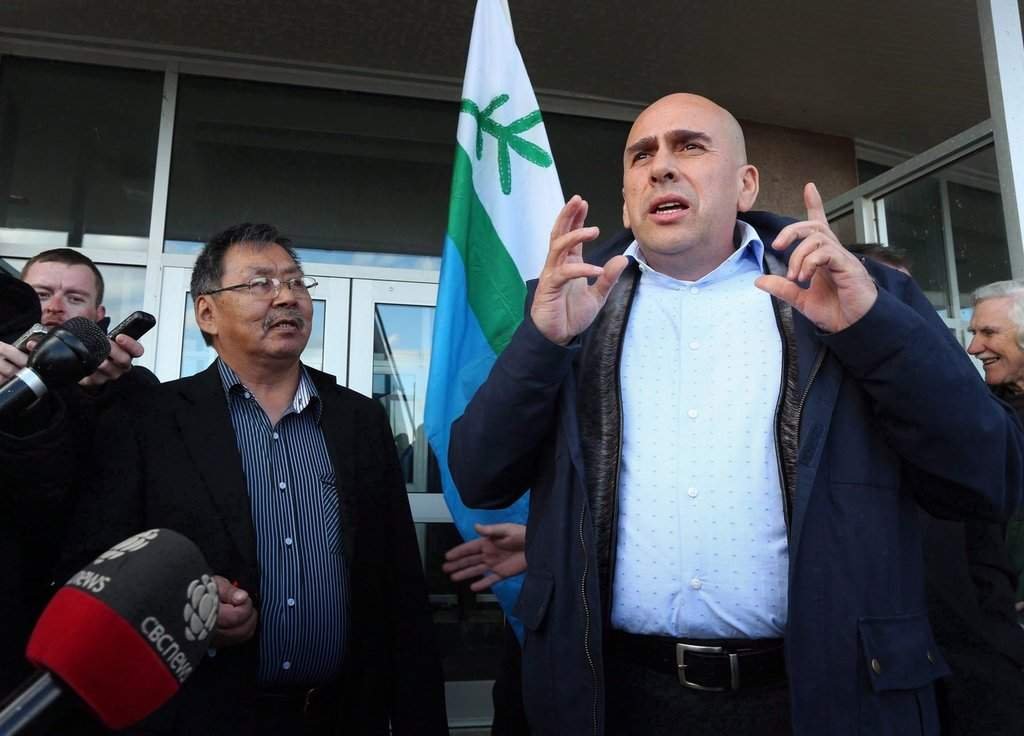
The federal government has rejected a bid by the Nunatukavut Community Council (NCC) to gain constitutionally protected Indigenous rights, halting a process that had been underway for several years. The NCC, which represents approximately 6,000 people in central and southern Labrador and identifies as “southern Inuit,” will not receive recognition under section 35 of the Constitution Act. The decision ends a long-running effort by the group to secure land, hunting and fishing rights through treaty negotiations.
Government Cites Insufficient Evidence
Crown and Indigenous Relations and Northern Affairs Canada (CIRNAC) confirmed the decision on Wednesday. The department said its assessment included updated submissions, internal historical and legal analysis, expert reviews and direct discussions with the NCC.
Stay connected to every major update — subscribe and follow us on the PhoenixQ website and across our social media platforms.
Jennifer Cooper, a spokesperson for CIRNAC, told Global News that the evidence did not meet the legal standard required. “Canada has determined that the evidence submitted does not satisfy the court-established tests for Indigenous rights and title,” she said. Cooper also clarified that the ruling applies specifically to section 35 rights. The NCC can still apply for federal programs and services that do not depend on that recognition.
CIRNAC Minister Rebecca Alty was travelling Wednesday and could not comment. NCC President Todd Russell, a former Liberal MP who has long advocated for the group’s recognition, was also unavailable. His office confirmed he had no statement at the time.
Indigenous Groups Welcome the Decision
Several established Indigenous organizations have opposed the NCC’s claims for years. The Innu Nation and various Inuit groups have consistently urged the federal government to reject the NCC’s bid. They argue the group represents settler communities rather than a genuine Indigenous people.
Inuit Tapiriit Kanatami (ITK), the national organization representing Inuit communities across Canada, responded strongly on Wednesday. ITK called the NCC a “fraudulent collective” that undermines Inuit identity and diverts funding away from legitimate Inuit communities. The organization urged the federal government to go further. “We urge the federal government to proactively prevent Inuit identity fraud by enacting a recognition policy that is consistent with the definition of Inuit provided in the federal Inuit Nunangat Policy,” ITK said in its statement. The group also warned that without stronger safeguards, federal funds intended for Inuit peoples could be misappropriated by similar organizations in the future.
The Nunatsiavut Government, which represents Inuit peoples living in Labrador, also welcomed the outcome. President Johannes Lampe said the decision brought “long-needed clarity” to the issue. “Inuit identity is not something that can be self-declared — it is affirmed by Inuit, grounded in our culture and history,” Lampe said. He described the conclusion of talks with the NCC as an important step toward protecting Inuit rights.
Broader Questions About Indigenous Recognition
The NCC’s case highlights a wider challenge facing the federal government. Determining which communities qualify as Indigenous has significant consequences. It affects not only rights under the Constitution, but also access to billions of dollars in federal funding and government programs.
The NCC has described itself as both “southern Inuit” and, in the past, as Métis. Under former Prime Minister Justin Trudeau, the group entered the process to negotiate treaty rights under section 35. That process has now ended without recognition.
Meanwhile, a separate long-running investigation by Global News revealed serious problems with how Ottawa identifies Indigenous communities in the federal Indigenous Procurement Program. That program sets aside tens of billions of dollars in government contracts for businesses majority-owned by First Nations, Inuit and Métis people. However, the investigation found that Indigenous Services Canada failed to properly verify whether businesses claiming those contracts were genuinely Indigenous-owned. An independent federal procurement watchdog also reported earlier this year that the department repeatedly ignored safeguards designed to protect the program’s integrity.
Together, these issues point to ongoing gaps in how Canada manages Indigenous recognition and ensures that rights and resources reach the communities they are intended to serve.